



Analysis of the Applications and Advantages of Variable-Frequency Drive Motors
Date: 2026-06-11 Categories: Faq Views: 2277
Excerpt:
Applications and Advantages of Variable Frequency Drive Motors In modern industrial production, electric motors are indispensable power equipment. Recently, with the growing popularity of energy conservation and environmental protection, variable frequency speed control motors have gradually emerged as an effective tool for enterprises to improve energy efficiency. This article will explore in depth the working principles, application areas, and significant advantages of variable frequency speed control motors. 1. What is a variable frequency speed control motor?
Article Catalog[Hidden]
Variable Frequency Drive MotorApplications and Benefits
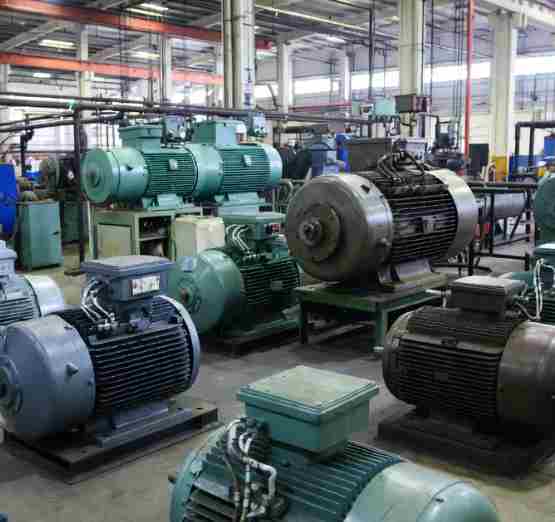
In modern industrial production, electric motors are indispensable power equipment. Recently, with the growing popularity of energy-saving and environmental protection concepts,Variable Frequency Drive MotorThey have gradually emerged as an effective tool for companies to improve energy efficiency. This article will take an in-depth look at the operating principles, application areas, and significant advantages of variable-frequency drive motors.
1. What is a variable-frequency drive motor?
A variable-frequency drive motor is a type of motor that regulates its speed by altering the frequency of the input power supply. Its core component is the variable-frequency drive, which converts mains-frequency power (typically 50 Hz or 60 Hz) into current at different frequencies. At different frequencies, the motor’s speed changes to meet the requirements of various operating conditions.
2. How It Works
The operating principle of variable-frequency speed-controlled motors is primarily based on the relationship that “the electrical frequency is directly proportional to the motor speed.” By adjusting the power supply frequency, the variable frequency drive enables the motor to operate in different modes. For example, when low-speed operation is required, the drive reduces the power supply frequency; conversely, when high-speed operation is required, it increases the frequency. This allows companies to flexibly adjust the operation of their production equipment according to production needs.
3. Areas of application
Variable-frequency drive motors are widely used in a variety of industries, including:
-
Pump Conveyance: In the water treatment industry, variable-frequency drives are widely used to control water pumps. By adjusting the speed of the water pumps, energy consumption can be effectively reduced and the utilization of water resources improved.
-
air conditioning system: In large central air conditioning systems, variable-frequency technology adjusts the compressor speed based on changes in indoor and outdoor temperatures, thereby achieving energy savings and reduced noise.
-
Fans and Compressors: Variable-frequency drive motors can improve the operational efficiency of fans and compressors when needed. By optimizing motor speed, they reduce power consumption and enhance the overall performance of the system.
![[Keywords]](https://simo.org.cn/wp-content/uploads/2025/11/1764033321-2913348.jpg "[Keywords]")
4. Analysis of Strengths
The advantages of variable-frequency speed-controlled motors are primarily reflected in the following areas:
-
Energy Conservation and Consumption Reduction: Compared with traditional motors, variable-frequency motors can adjust their operating conditions based on actual demand, thereby achieving significant energy savings. According to data,Variable Frequency MotorEnergy consumption can be reduced by 30%–50%.
-
Extend the service life of equipment: By ensuring smooth motor start-up and shutdown, mechanical shock is reduced, equipment wear is minimized, and the service life of the motor and drive system is extended.
-
High operational efficiency: Variable-frequency motors can achieve high operational efficiency across a wide range of speeds, adapt to various working environments, and improve production efficiency.
-
Smart Control: Many variable frequency drives can be integrated with modern industrial automation systems to enable real-time monitoring and control. When a system malfunction occurs, the variable frequency drive can promptly adjust operating parameters to ensure equipment safety.
5. Case Studies
Taking a large water treatment plant as an example, the plant has adoptedVariable Frequency Drive Motorto control the operation of the water pump. By implementing variable-frequency speed control technology, the pump’s energy consumption was significantly reduced, dropping from 8 million yuan annually to 6 million yuan, resulting in annual electricity cost savings of over 2 million yuan. This case clearly demonstrates the outstanding performance of variable-frequency speed control motors in practical applications.
In summary, variable-frequency motors not only deliver significant energy savings but also provide flexible power solutions for modern industrial production. With continuous technological advancements, the application of variable-frequency motors across various sectors will become increasingly widespread in the future, bringing greater convenience and benefits to our daily lives and industrial operations.


 Shaanxi Public Security Bureau No. 41032502000206