
An in-depth look at the application and technical advantages of variable frequency motors
Date: 2026-04-22 Categories: Faq Views: 10486
Excerpt:
Inverter Motors: The Future Choice for Intelligent Drives Against the backdrop of today's rapid industrial development, inverter motors, as a highly efficient and energy-saving motor solution, are increasingly favored by enterprises. With the implementation of energy-saving and emission reduction policies, the application scope of inverter motors continues to expand, becoming an indispensable part of intelligent manufacturing and automation control. What is variable frequency
Article Catalog[Hidden]
Variable Frequency Motor: The Future Choice Driven by Intelligence
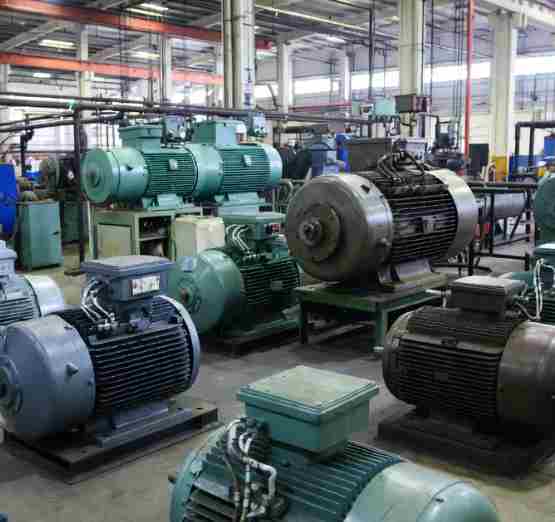
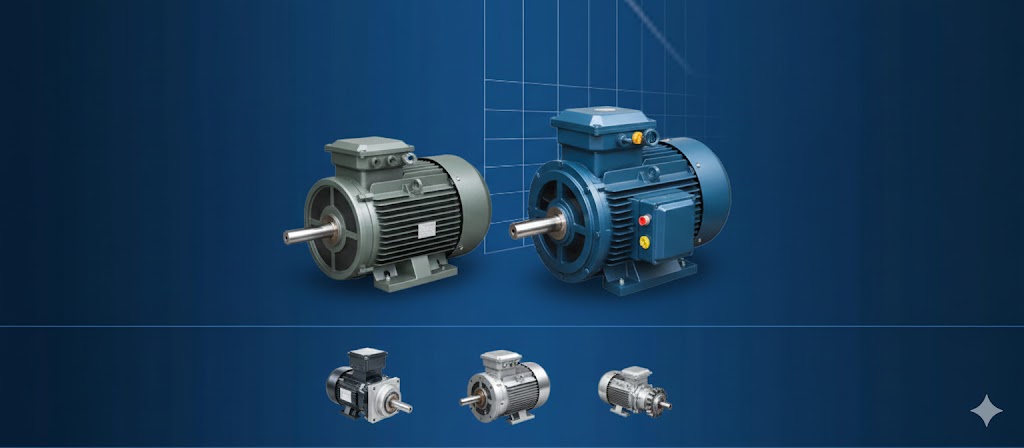
Against the backdrop of today’s rapid industrial development,Variable Frequency MotorAs a highly efficient and energy-saving motor solution, it is gaining increasing favor among businesses. With the implementation of energy-saving and emissions-reduction policies, the scope of application for variable-frequency motors continues to expand, making them an indispensable part of smart manufacturing and automated control.
What is a variable frequency motor?
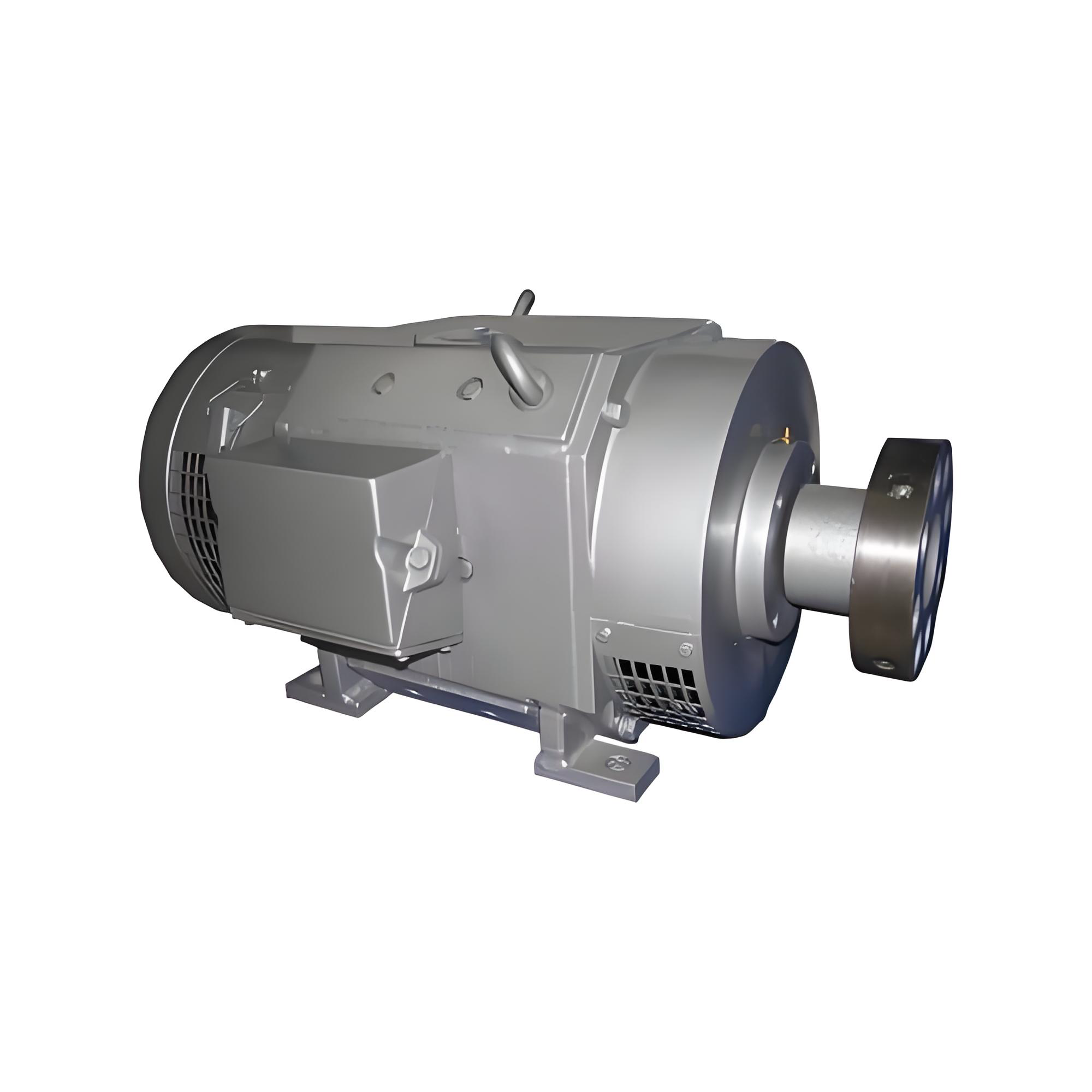
A variable-frequency motor is a type of motor that can regulate its rotational speed by adjusting the power supply frequency. Compared to traditional motors, variable-frequency motors offer higher energy efficiency and greater adaptability. These motors use a variable-frequency drive to convert the fixed-frequency power from the grid into power at different frequencies, thereby enabling precise control over the motor’s speed and torque. This technology not only improves the operational efficiency of equipment but also reduces energy consumption.
Key Advantages of Variable-Frequency Motors
-
Significant energy savings: Variable-frequency motors can adjust their operating frequency based on actual load conditions, enabling dynamic regulation and thereby significantly reducing energy waste. According to statistics, systems that appropriately utilize variable-frequency motors can reduce energy consumption by 20%-50%.
-
stable operation: Variable-frequency motors mitigate the impact associated with the start-up and shutdown of traditional motors. Through soft start and soft stop, they reduce mechanical wear and equipment failure rates, thereby extending the service life of the equipment.
-
Flexible Control: Variable-frequency motors enable precise speed control and are suitable for a wide range of industrial applications, particularly in situations where operating speed needs to be adjusted on the fly, such as in fans and pumps.
-
Reduce Noise: Compared to traditional motors, variable-frequency motors operate more smoothly and produce less noise during operation, making them suitable for environments with strict noise requirements.
Application Case Studies
Take a certain chemical plant as an example. The plant originally used traditional electric motors to drive its mixers, but the high impact forces generated during equipment startup led to frequent malfunctions and high maintenance costs. Subsequently, the plant introduced variable-frequency motors, set different speeds to meet the needs of various production processes, and optimized the mixing process through a real-time monitoring and control system. The results showed that the equipment failure rate decreased by 60%, while energy costs fell by 30%.
Another example involves a large water treatment plant where the original pump system used fixed-speed motors, resulting in high energy consumption and limited operational flexibility. After introducing variable-frequency motors, the pumps not only adjusted their operation promptly in response to instantaneous changes in demand—ensuring water supply quality—but also improved efficiency, effectively reducing operating costs and lowering overall energy consumption by 40%.
![[Keywords] [Keywords]](https://simo.org.cn/wp-content/uploads/2023/08/1764155587-173549.jpg)
reach a verdict
In summary, variable-frequency motors are playing an increasingly important role across various industries due to their unique technical advantages and significant economic benefits. Driven by Industry 4.0 and smart manufacturing,Variable Frequency MotorThis will become a key direction for the future development of electric motor technology. Whether in terms of energy efficiency, noise reduction, or equipment applicability, variable-frequency motors have demonstrated their irreplaceable value. Therefore, when upgrading equipment, companies should consider including variable-frequency motors among their top priorities to meet the evolving demands of the times.


Shaanxi Public Security Bureau No. 41032502000206