



Complete Guide to Common Fault Analysis and Routine Maintenance for High-Voltage Electric Motors
Date: 2025-12-14 Categories: Industry News Views: 9956
Excerpt:
High-Voltage Electric Motors: The Key to Driving Energy Efficiency and High-Performance Transformation in Heavy Industry Against the backdrop of the global energy transition, the industrial sector faces increasingly stringent demands for power equipment efficiency. As the “heart” of heavy machinery, high-voltage electric motors not only shoulder the responsibility of driving large-scale production lines but also serve as the critical enabler for enterprises to achieve energy conservation and consumption reduction goals.
Article Catalog[Hidden]
High-Voltage Electric Motors: The Key to Driving Energy Efficiency and High-Performance Transformation in Heavy Industry
![[Keywords]](https://simo.org.cn/wp-content/uploads/2025/11/1764238657-unnamed-1.jpg "[Keywords]")
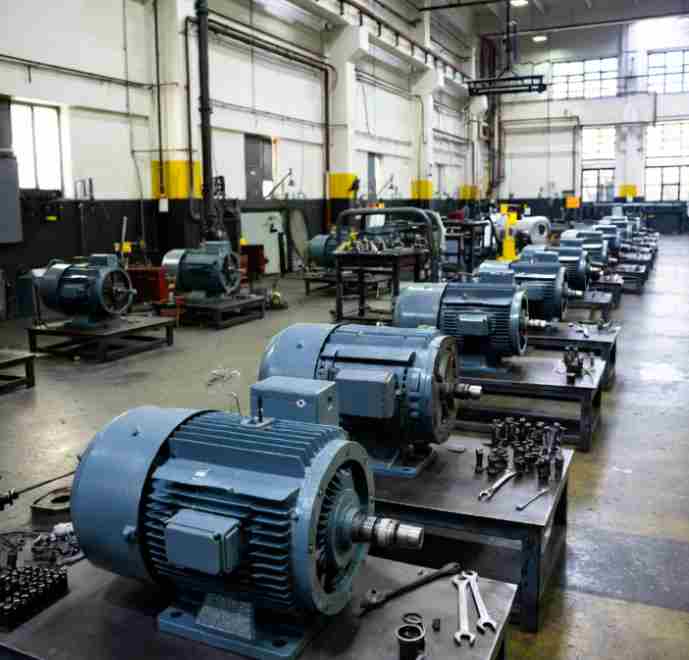
Against the backdrop of the global energy transition, the industrial sector is imposing increasingly stringent energy efficiency requirements on power equipment. As the “heart” of heavy machinery,High-voltage electric motorNot only does it shoulder the responsibility of driving large-scale production lines, but it also enables enterprises to achieveEnergy Conservation and Consumption ReductionThe critical component of the target. Unlike ordinary low-voltage motors,High voltage motorsLeveraging its unique technological advantages, it plays an irreplaceable role in industries such as mining, petrochemicals, power generation, and metallurgy. This article will delve into the core strengths of high-voltage motors and their application value in modern industry.
Why choose high-voltage electric motors?
High-voltage electric motorTypically refers to motors with a rated voltage exceeding 1000V, with common voltage ratings including 3kV, 6kV, and 10kV. Their most significant design purpose lies in addressing power loss during high-power transmission. According to the principles of physics
This means that at the same output power, the current drawn by high-voltage motors is significantly lower than that of low-voltage motors.The reduced current directly results in a significant decrease in stator copper losses.This significantly enhances the motor's operational efficiency. Additionally, the low current allows for the use of cables with smaller cross-sectional areas, which not only reduces infrastructure investment costs but also minimizes line losses during long-distance power transmission. For drive requirements exceeding 200 kW, high-voltage solutions often represent a more cost-effective choice.
Core Application Scenarios and Technical Features
High-voltage motors are typically designed with F-class or H-class insulation systems, combined with vacuum pressure impregnation (VPI) processes, to provide exceptional heat resistance and moisture protection. This enables them to withstand harsh industrial environments.
- Fluid Conveyance EquipmentIn large pump stations, natural gas compressors, and industrial fans,High-voltage electric motorProvides continuous and stable torque output. For example, in the retrofitting of induced draft fans at thermal power plants, the introduction of high-voltage motors with variable frequency speed control enables real-time adjustment of rotational speed based on load changes, thereby eliminating energy waste caused by over-specified equipment.
- Heavy Machinery DriveFor equipment requiring high starting torque, such as ball mills, crushers, and rolling mills,Wound-rotor high-voltage motorIt performs exceptionally well. Its rotor-wound resistance starting method not only limits the starting current but also ensures sufficient starting torque.
Case Study: Energy Efficiency Upgrade of a Cement Plant Ball Mill System
To gain a more intuitive understandingHigh-voltage electric motorTo illustrate its value, we can refer to the retrofitting case of a large cement plant. The plant originally used multiple low-voltage motors to drive ball mills, which not only had a high failure rate but also caused significant grid impact during startup, leading to frequent transformer tripping.
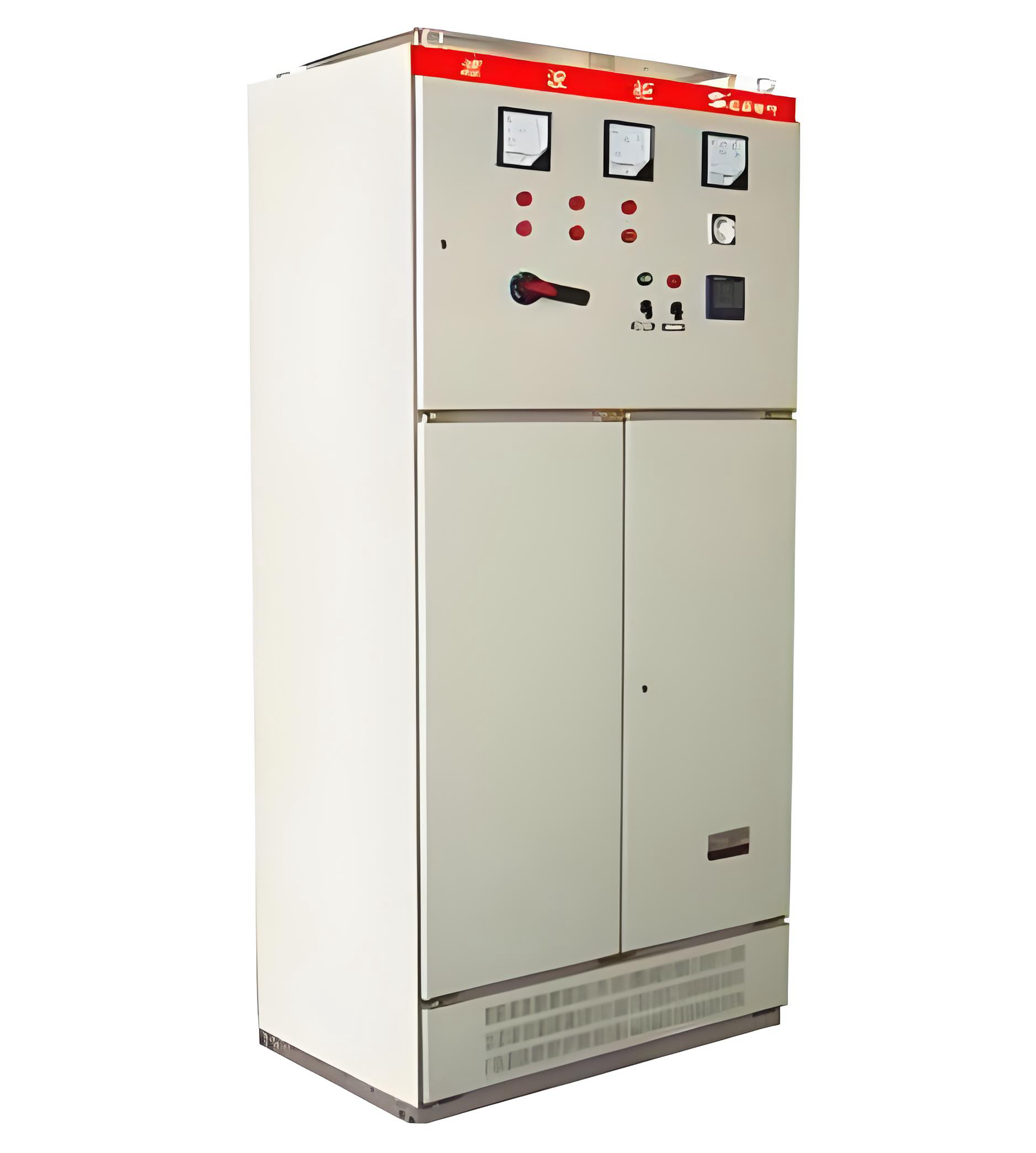
During the technological upgrade, the factory employed a10kV High-Voltage Synchronous MotorThe original drive system has been replaced.
- The results showAfter retrofitting, the system power factor improved from 0.85 to over 0.95 (leveraging the leading-phase characteristic of synchronous motors), eliminating the need for additional reactive power compensation equipment.
- Economic benefitsDue to reduced transmission losses at high voltage and improved motor efficiency, this production line saves over 1 million kilowatt-hours of electricity annually. Simultaneously, the application of high-voltage soft-start technology has completely resolved voltage dips during startup, ensuring stable operation of all plant equipment.
Key Considerations for Selection and Maintenance
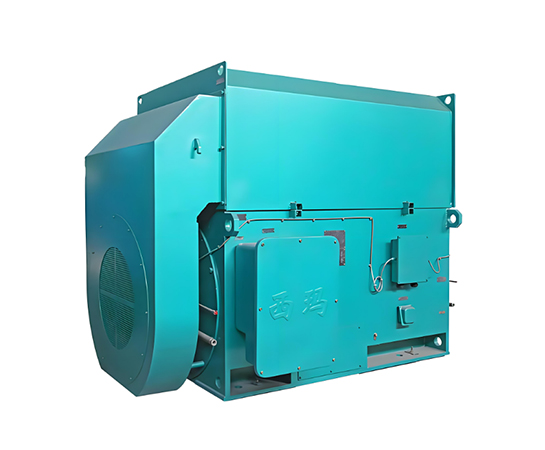
AlthoughHigh-voltage electric motorThe advantages are evident, but selection must comprehensively consider load characteristics, grid capacity, and environmental conditions. For instance, in dusty mining environments, enclosed motors with IP54 or IP55 protection ratings (such as the YKK series) should be prioritized. In pump rooms with limited space, compact water-cooled motors may be more suitable.
Additionally, since high-voltage motors involve insulation safety, regular maintenance must be performed during routine upkeep.Partial Discharge DetectionInsulation resistance testing. Preventive maintenance strategies effectively extend motor lifespan, avoiding unplanned downtime caused by insulation breakdown, thereby ensuring production continuity.


 Shaanxi Public Security Bureau No. 41032502000206