


A Discussion on the Applications and Advantages of Variable-Frequency Motors in Modern Industry
Date: 2026-06-16 Categories: Faq Views: 10151
Excerpt:
Variable-Frequency Motors: The Perfect Combination of Efficiency and Flexibility In modern industry, variable-frequency motors have become one of the key technologies for improving energy efficiency and equipment flexibility. With the growing focus on sustainable development, the application of variable-frequency motors is becoming increasingly widespread—from simple fans to complex robotic arms—and their advantages are becoming ever more apparent. This article will delve into the operating principles of variable-frequency motors, their main advantages, and application examples across various fields. Variable-frequency
Article Catalog[Hidden]
Variable Frequency Motor: The Perfect Combination of Efficiency and Flexibility
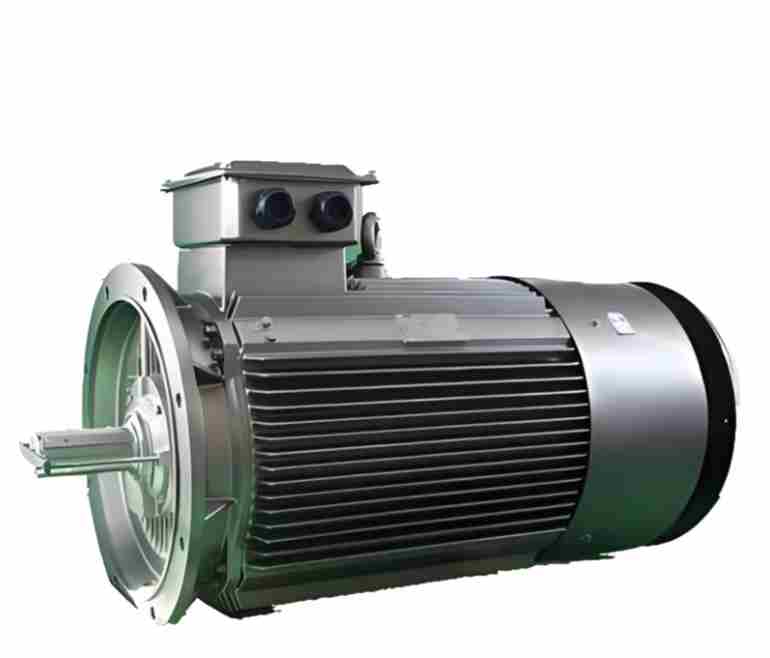
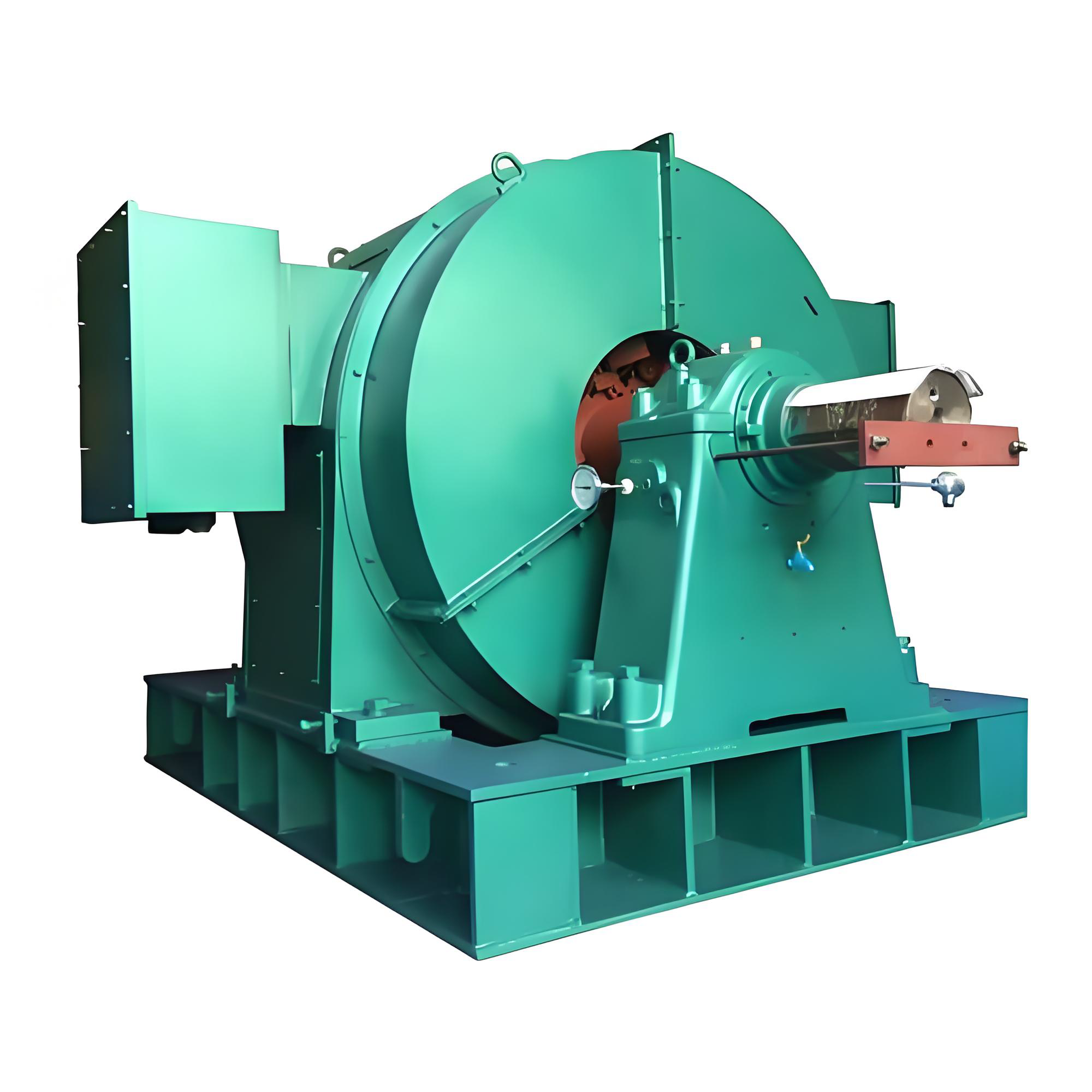
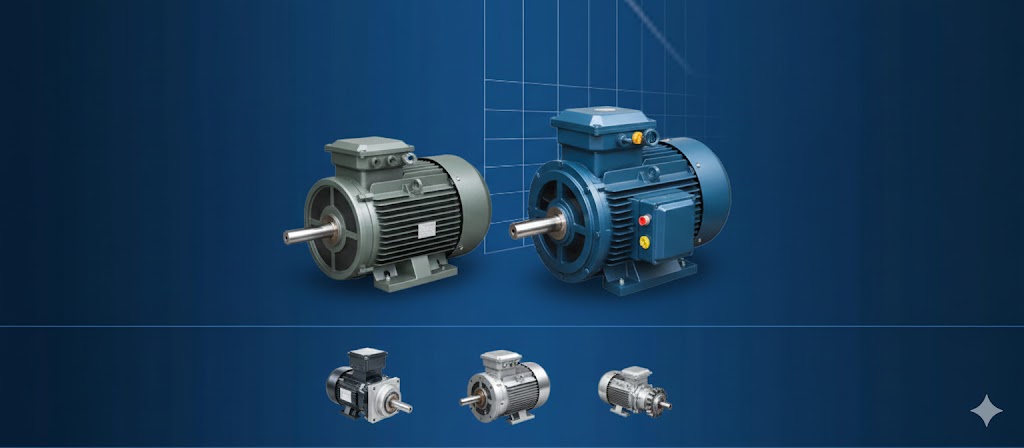
In modern industry, theVariable Frequency MotorIt has become one of the key technologies for improving energy efficiency and equipment flexibility. With the growing focus on sustainable development, variable-frequency motors are being used more widely, and their advantages are becoming increasingly apparent—from simple fans to complex robotic arms. This article will take an in-depth look at the operating principles of variable-frequency motors, their main advantages, and application examples across various fields.
How an Inverter Motor Works
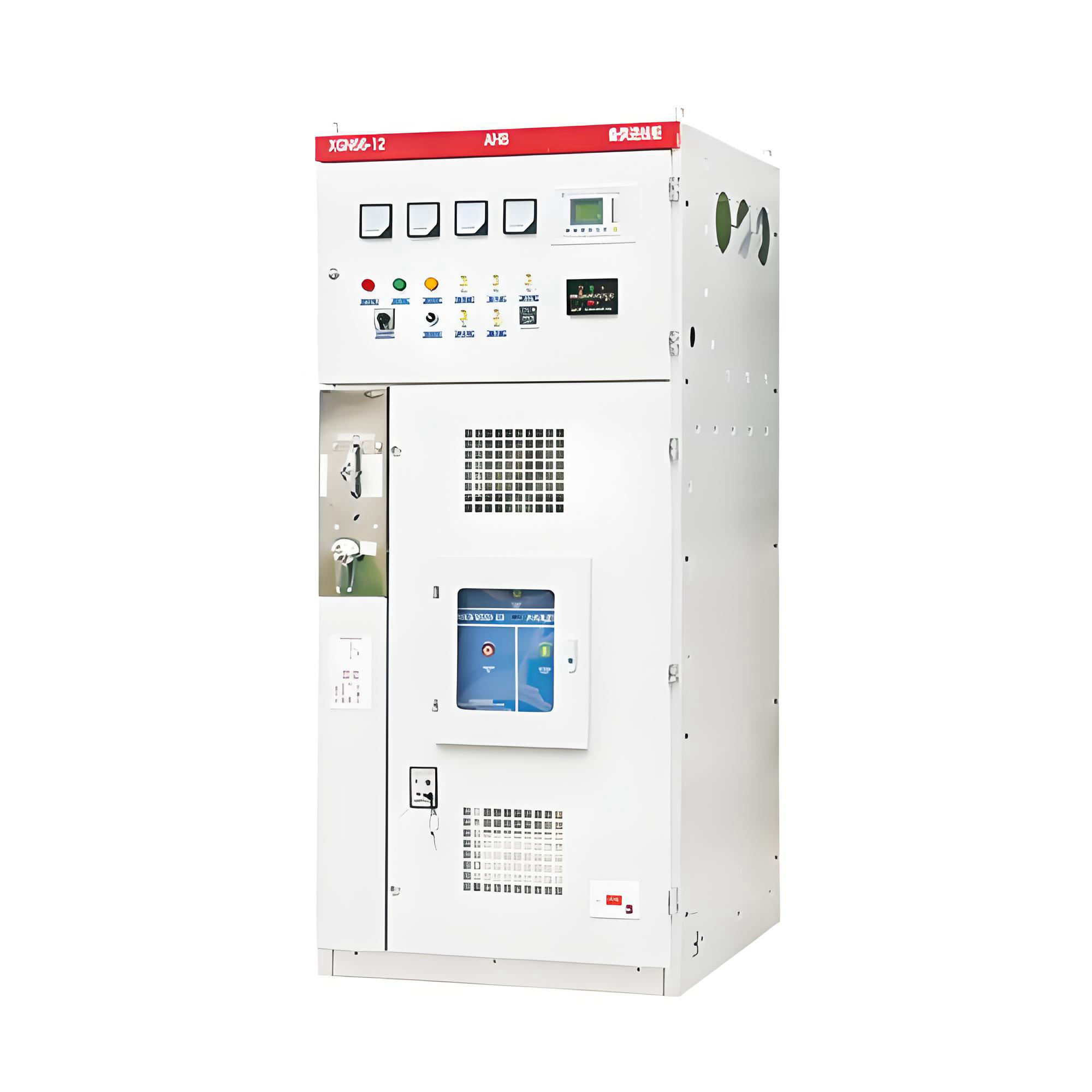
A variable-frequency motor is a device that controls the motor's speed by adjusting the frequency of the power supply. This adjustment is typically achieved byFrequency ConverterIt works by converting alternating current (AC) to direct current (DC), and then remodulating the DC back into AC at the desired frequency. In this way, variable-frequency motors not only enable stepless speed control but also improve the overall efficiency of the system.
Key Advantages of Variable-Frequency Motors
-
Energy-saving and highly efficient: The greatest advantage of variable-frequency motors lies in their energy-saving capabilities. Whether used in pumps, fans, or other equipment, variable-frequency motors can automatically adjust their speed in response to load changes, thereby significantly reducing energy consumption. According to statistics, equipment equipped with variable-frequency motors can save between 30% and 50% of electricity.
-
Reduce mechanical shock: Conventional motors are prone to causing mechanical shock during start-up and shutdown, whereas variable-frequency motors, through soft-start and soft-stop technologies, can effectively reduce this shock and extend the service life of the equipment.
-
Operational Flexibility: Variable-frequency motors can handle a wide range of operating conditions, are highly adaptable, and can meet the needs of various industries. For example, in the paper manufacturing industry, variable-frequency motors can automatically adjust their speed based on the thickness of the paper, thereby ensuring production quality.
-
Low maintenance costs: Because mechanical shock during operation is reduced, the maintenance costs of variable-frequency motors are relatively low. In addition, they are highly intelligent; many variable-frequency motors can provide real-time feedback on their operating status through monitoring systems, making troubleshooting faster.
![[Keywords]](https://simo.org.cn/wp-content/uploads/2023/08/1763946096-3265.png "[Keywords]")
Analysis of Practical Application Cases
In the water treatment industry,Variable Frequency MotorThey are widely used for speed control in water pumps. A municipal water utility company installed variable-frequency motors in its wastewater treatment facilities and found that the pumps’ energy consumption was reduced by approximately 40%. In addition, these variable-frequency motors automatically adjust their operating speed in response to changes in water levels, significantly improving water treatment efficiency.
In the pharmaceutical industry, the use of variable-frequency motors has also yielded significant results. A pharmaceutical company that incorporated a variable-frequency drive system into its production process improved control over temperature and other parameters during manufacturing, thereby ensuring the quality and stability of its pharmaceutical products.
Summary of Future Trends in Variable-Frequency Motors
With advances in technology, the level of intelligence in variable-frequency motors will continue to improve. Smart variable-frequency drives can not only monitor the motor’s operating status in real time but also enable more precise energy consumption management and fault prediction through big data analysis. Furthermore, as the concept of green manufacturing becomes more widely accepted,Variable Frequency MotorMarket demand will continue to grow.
When selecting a suitable variable-frequency motor, it is necessary to consider its performance parameters, operating environment, and specific application to ensure it operates at its best and thus maximizes its energy-saving and consumption-reduction benefits.



 Shaanxi Public Security Bureau No. 41032502000206