


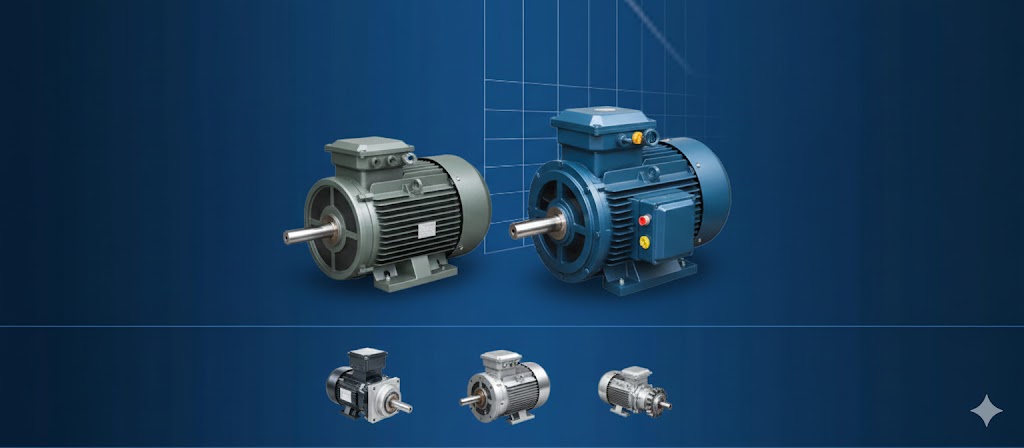
Improving Energy Efficiency and Environmental Protection: The Application and Future Prospects of Energy-Efficient Motors
Date: 2026-06-16 Categories: Faq Views: 4964
Excerpt:
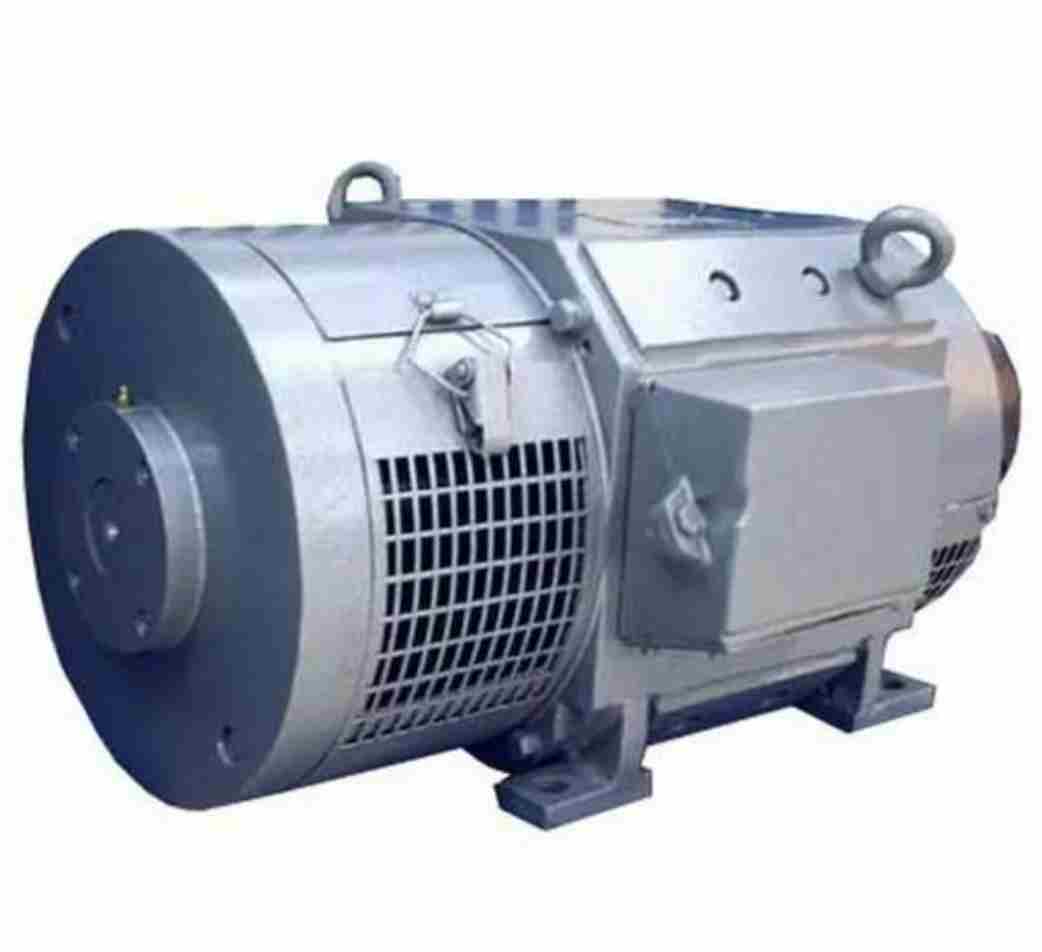
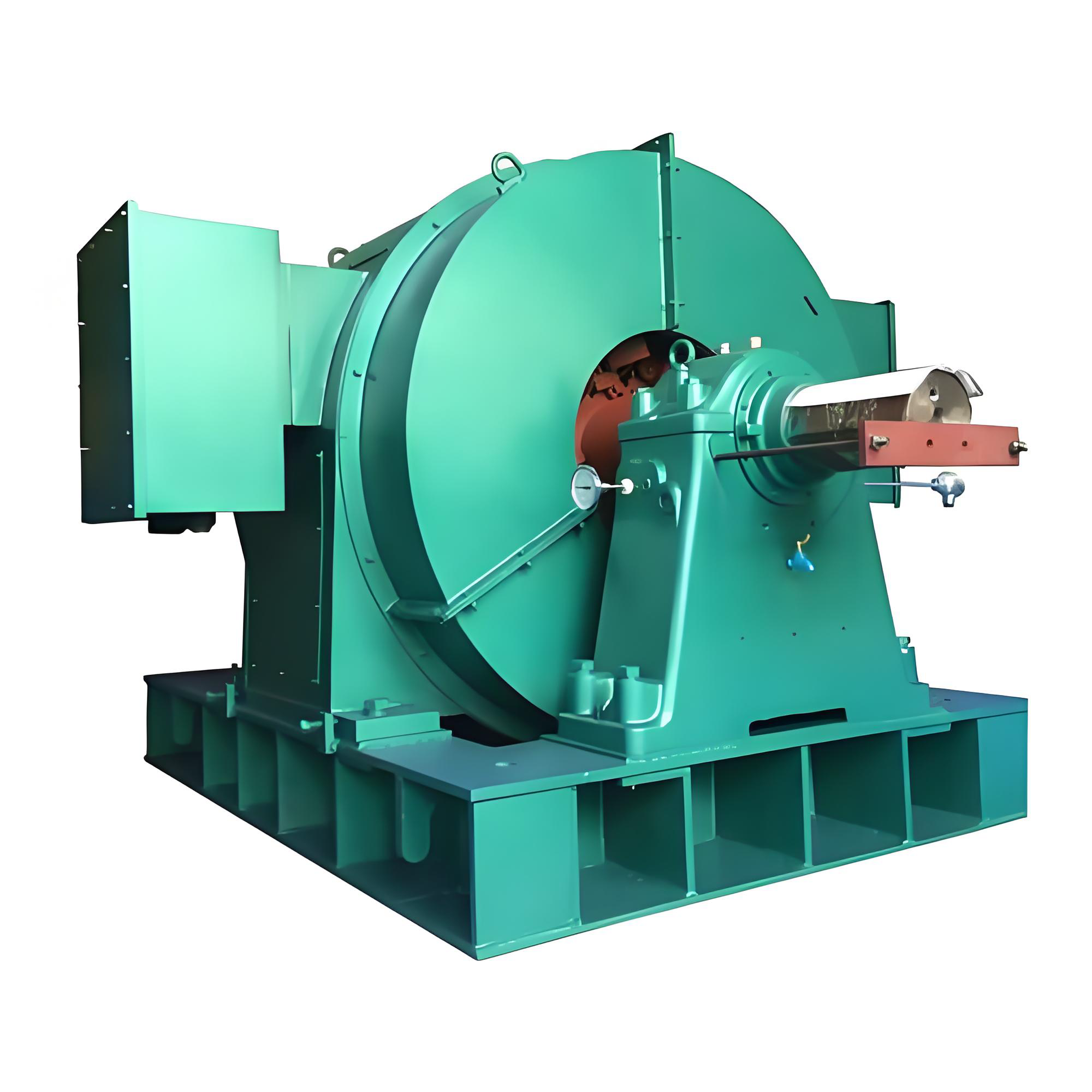
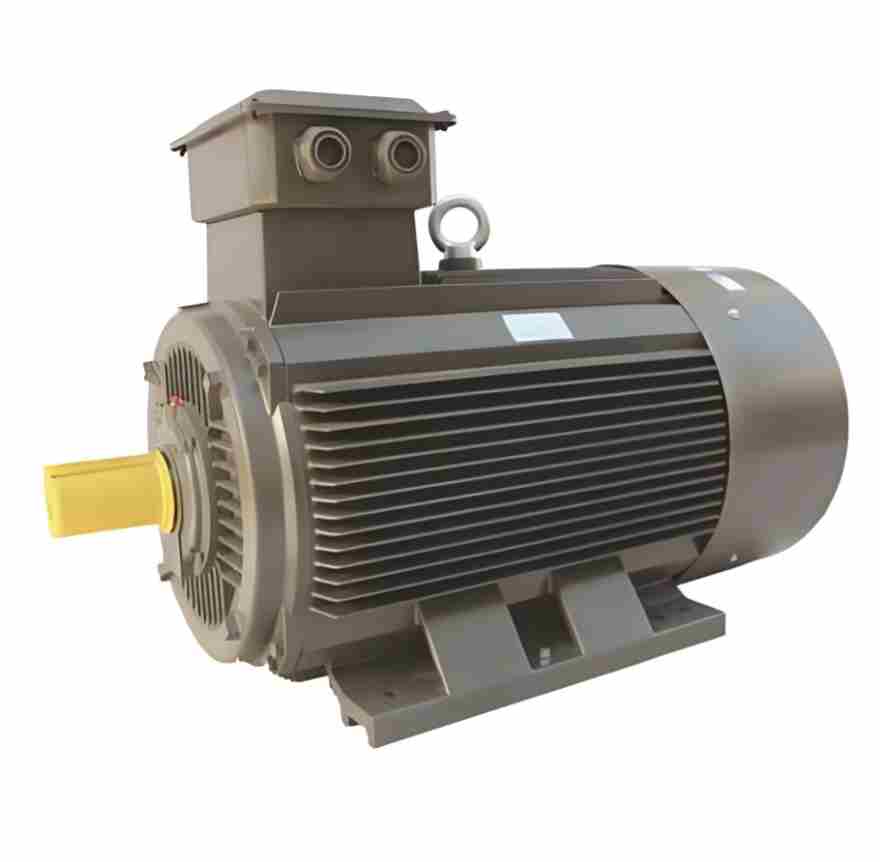
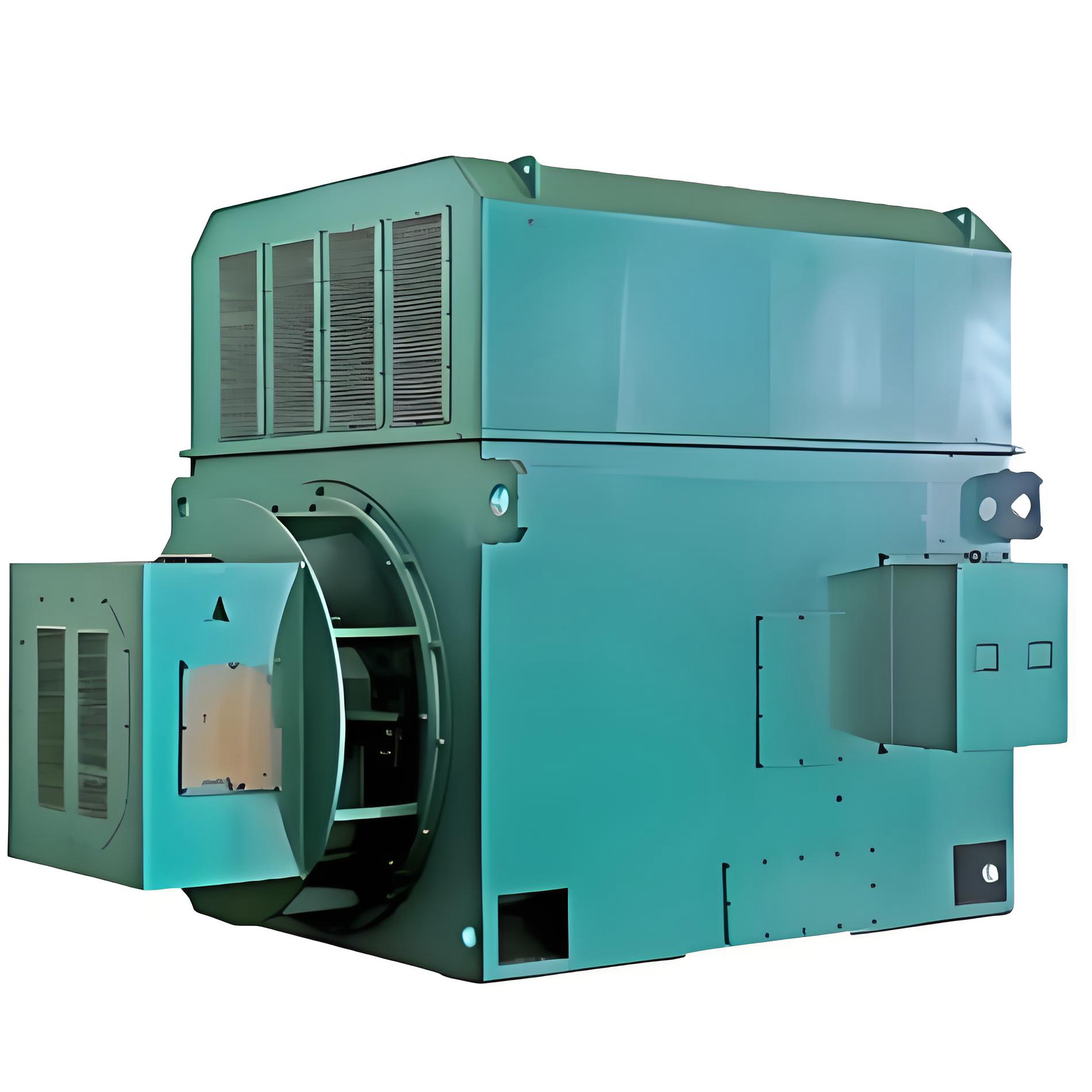
Energy-Efficient Motors: The Green Driving Force Behind Industrial Development Against the backdrop of global sustainable development, energy-efficient motors—as a type of high-efficiency motor—are receiving increasing attention in the industrial and energy sectors. Not only do they help enterprises reduce energy consumption, but they also play a crucial role in environmental protection. This article will delve into the working principles of energy-efficient motors, their areas of application, and their significance in achieving energy conservation and emissions reduction goals.
Article Catalog[Hidden]
Energy-Efficient Motors: The Green Driving Force Behind Industrial Development
Against the backdrop of global sustainable development,Energy-saving motorAs a highly efficient type of electric motor, it is gaining increasing attention in the industrial and energy sectors. Not only does it help businesses reduce energy consumption, but it also plays a crucial role in environmental protection. This article will take an in-depth look at the operating principles of energy-efficient motors, their areas of application, and their importance in achieving energy conservation and emissions reduction goals.
I. How Energy-Efficient Motors Work
Energy-efficient motors primarily reduce electricity consumption by improving motor efficiency. The efficiency of traditional motors generally ranges from 70% to 90%, whereasEnergy efficient motorsEfficiency can reach 90% or higher, and even approach 95%. This is primarily due to optimized motor design, such as improved materials, enhanced cooling, and the use of variable-frequency speed control technology, which enable the motor to reduce energy loss and heat generation during operation.
For example, some advancedPermanent Magnet Synchronous Motor(PMSM) uses rare-earth materials to generate a stronger magnetic field, which not only increases the motor’s starting torque but also significantly reduces no-load losses. In addition,Frequency ConverterThe use of this technology enables the motor to dynamically adjust its operating speed in response to load changes, thereby achieving optimal energy management.
II. Application Areas of Energy-Efficient Motors
Energy-efficient motors are widely used across various industries, including but not limited to manufacturing, construction, and transportation. In the manufacturing sector, energy-efficient motors are used to power equipment such as conveyor belts, pumps, and fans, significantly reducing electricity costs. In the construction industry, elevators and air conditioning systems equipped with energy-efficient motors can also effectively reduce energy consumption.
Case Study: When a major chemical company was upgrading its production line, it chose to replace its traditional motors with energy-efficient motors. Following the retrofit, the company’s electricity costs decreased by 30%. By reducing energy consumption, the company also met its annual environmental protection targets and earned widespread public acclaim. This success story not only demonstrates the economic benefits of energy-efficient motors but also highlights their significant contribution to environmental protection.
III. Future Development Trends
With advances in technology and growing environmental awareness, the research, development, and application of energy-efficient motors are accelerating. In the future, smart technology and the Internet of Things (IoT) will make the management of energy-efficient motors more efficient. Through networked monitoring systems, companies can monitor the operational status of motors in real time, perform timely maintenance and optimization, significantly reduce downtime, and lower maintenance costs.
![[Keywords]](https://simo.org.cn/wp-content/uploads/2023/08/1763944367-85655.png "[Keywords]")
In response to the challenges posed by global climate change, many countries and regions have begun to introduce policies to promote the widespread adoption and use of energy-efficient motors. Organizations such as the International Electrotechnical Commission (IEC) have also established strict standards for energy-efficient motors, encouraging companies to choose motors that are highly efficient and energy-saving.
In summary, energy-efficient motors, as a vital type of power equipment, not only effectively reduce energy costs but also serve as a key driver of sustainable development. Their widespread adoption in the industrial sector will pave the way for more environmentally friendly and efficient production models in the future. With further technological innovation and policy support, we are confident that the widespread adoption of energy-efficient motors will lead to a brighter future.



 Shaanxi Public Security Bureau No. 41032502000206