



Mining high-voltage motor selection and application guide: mining, beneficiation, hoisting, ventilation full scene coverage
Date: 2026-05-21 Categories: Industry News Views: 14395
Excerpt:
Guide to the Selection and Application of High-Voltage Motors for Mines: Comprehensive Coverage of Mining, Mineral Processing, Hoisting, and Ventilation Applications Mines are among the industrial environments with the highest concentration of high-voltage motors and the harshest operating conditions. Dust, humidity, explosive gases, high starting currents, and prolonged heavy loads—these extreme conditions place demands on motor protection ratings, starting characteristics, insulation life, and ease of maintenance that far exceed those of ordinary industrial settings. Xi’an Taifu Xima Motor Group is one of China’s
Article Catalog[Hidden]
- Mining high-voltage motor selection and application guide: mining, beneficiation, hoisting, ventilation full scene coverage
- Overview of Application Scenarios for High-Voltage Motors in Mining
- Scenario 1: Motors Used in the Mining Process
- Scenario 2: Hoist Motor (the most critical individual motor)
- Scenario 3: Main Ventilation Fan Motor
- Scenario 4: Mine Drainage Pump Motor
- Scenario 5: Motors for Crushers and Ball Mills (Mineral Processing Scenario)
- Xima Mining Electric Motor Product Line
- Faq
MineHigh voltage motorsSelection and Application Guide: Comprehensive Coverage of All Scenarios in Mining, Mineral Processing, Hoisting, and Ventilation
Mines are among the industrial environments where high-voltage motors are used most intensively and face the harshest operating conditions. Dust, humidity, explosive gases, high starting currents, and prolonged heavy loads—these extreme conditions place demands on the motors’ protection rating, starting characteristics, insulation life, and ease of maintenance that far exceed those of ordinary industrial settings. Xi’anTaifu Simo MotorThe Group is a leading supplier of high-voltage motors for the mining industry in China. This article systematically outlines the key considerations for selecting motors for various mining operations.
Overview of Application Scenarios for High-Voltage Motors in Mining
Major Mining Production Processes and Their Corresponding Key Motor Applications:
- Mining Processes:Drive Motors for Coal Cutters/Tunnel Boring Machines, Motors for Hydraulic Power Units
- Elevated Transport:Vertical shaft hoist motors, inclined shaft winch motors, main conveyor belt motors
- Ventilation and Cooling:Main ventilation fan motors, local ventilation fan motors, and refrigeration unit compressor motors
- Drainage System:Mine drainage pump motors (typically 2–3 in reserve)
- Mineral Processing Steps:Crusher motors, ball mill motors, flotation machine motors
- Support Systems:Motors for air compressors, grouting pumps, and air compressors
If you needGet recommendations and quotes for mining motors, The Xima technical team can provide customized solutions based on specific operating conditions.
Scenario 1: Motors Used in the Mining Process
Special Requirements for Underground Mining Motors
Since there is a dual risk of methane (gas) and coal dust explosions underground in coal mines, all electrical equipment must be of the mining-grade explosion-proof or mining-grade increased safety type:
- Explosion-proof rating:ExdI (explosion-proof type for coal mines), compliant with the MT/T standard and the GB 3836 series of standards
- Protection Rating:IP54 or higher (protection against coal dust ingress)
- Insulation Class:Class F (Adapted to changes in underground temperature and humidity)
- Startup Features:High starting torque, suitable for heavy-load starts
Typical Application Specifications (Hydraulic Pump Station for Fully Mechanized Mining Face):
Power: 200–630 kW; Voltage: 1,140 V or 3,300 V; Explosion-proof rating: ExdI; Protection rating: IP54
Underground Mining at Nonferrous Metal Mines
Non-ferrous metal mines generally do not pose a methane hazard, but other harmful gases may be present:
- Protection Rating Priority: IP55 or IP65 (Protection against groundwater and dust)
- Corrosion Protection: Select the appropriate corrosion resistance rating based on the mine environment; acidic mine water environments require special treatment.
- Explosion-proof requirements: Determined based on the presence of other explosive gases; for non-methane environments, either ExdIIA or ExdIIB may be selected.
Scenario 2: Hoist Motor (the most critical individual motor)
Mine hoists are the most critical equipment in a mine; a motor failure would directly cause production to come to a halt throughout the entire mine, so they must be extremely reliable.
Technical Requirements for Hoist Motors
- High starting torque:When a hoist starts under full load, it requires 2 to 3 times the rated torque, which a standard motor cannot provide.
- Wide speed control range:The lifting process requires precise speed control (acceleration, constant speed, deceleration, and slow-speed stopping).
- Frequent starting and stopping:It may start and stop dozens of times per hour, placing high demands on the motor’s heat dissipation and insulation.
- High reliability:A dual-motor configuration or a configuration with a backup motor is typically used.
Selecting the Type of Hoist Motor
Wound-rotor Induction Motor (YRKK Series) + Hydrodynamic Resistance Speed Control:
- Suitable for: Medium-sized hoists (500 kW–2,000 kW)
- Advantages: Mature technology, easy maintenance, and low initial investment
- Disadvantages: Limited speed control accuracy; the hydraulic resistance device requires routine maintenance.
Synchronous Motor (TDMK Series) + Fully Digital Speed Control:
- Applicable to: Large hoists (2,000 kW and above)
- Advantages: High speed control accuracy, good power factor, and high operating efficiency
- Disadvantages: Requires an excitation system, has a complex control system, and involves high capital costs
Permanent Magnet Synchronous Motor + Variable Frequency Drive:
- Intended for: New small- and medium-sized hoist projects
- Advantages: High efficiency, compact size, and excellent speed control performance
- Disadvantages: Risk of permanent magnet demagnetization; requires a high level of technical expertise for maintenance
Xima TDMK large synchronous motors have been successfully deployed in numerous large-scale mine hoist projects across China,View Technical Specifications for the TDMK Series。
Scenario 3: Main Ventilation Fan Motor
The Unique Characteristics of Main Ventilation Fans in Mines
The main ventilation fan is a critical piece of equipment for safe mining operations. The *Coal Mine Safety Regulations* stipulate that a main ventilation fan must have a backup unit, and that switching between the main and backup units must be completed within 10 minutes, which places extremely high demands on the reliability of the motor.
Key Considerations for Selecting Fan Motors
- Power Range:Depending on the size of the mine, power ranges from several hundred kW to several thousand kW; the motors for main ventilation fans in large coal mines can exceed 5,000 kW.
- Startup Requirements:Since there is already air in the ductwork before the fan starts up, this constitutes a loaded start, which requires sufficient starting torque.
- Energy-Saving Speed Control:Mine ventilation rates must be adjusted according to changes in production areas; variable-frequency speed control can reduce electricity consumption by 30%–50% and is currently the mainstream solution.
- Explosion-Proof Requirements:The motors of main ventilation fans installed on the surface generally do not require explosion-proof protection, whereas local ventilation fans installed underground must be explosion-proof.
Typical Specifications for Main Ventilation Fan Motors:
Power: 630–5,000 kW; Voltage: 6 kV or 10 kV; Cooling method: IC611 (ducted ventilation); Protection rating: IP54; Speed control via variable frequency drive
Scenario 4: Mine Drainage Pump Motor
High Reliability Requirements for Drainage Motors
The mine drainage system serves as the last line of defense against mine flooding. It typically consists of three sets of pumps—a working pump, a standby pump, and a maintenance pump—and requires that the working and standby pumps be capable of operating simultaneously (one pump operates under normal conditions, while both operate simultaneously when water inflow is high).
Recommendations for Selecting a Drain Pump
- Power: Calculated based on the maximum flow rate and head, with a power reserve of 20%–30%
- Protection Rating: IP55 or higher (protected against splashes of groundwater)
- Insulation Class: Class F, tested according to Class B temperature rise standards (to extend insulation life)
- Start-up Method: Soft start or variable-frequency start (reduces impact on the power grid and extends the pump's service life)
- Reliability Design: Give priority to bidirectional ventilation bearing lubrication systems, suitable for vertical installation
Scenario 5: Motors for Crushers and Ball Mills (Mineral Processing Scenario)

Crusher Motor
Crushers experience high starting resistance and require high starting torque; during operation, they may experience brief overloads due to ore jams:
- Features a wound-rotor motor with liquid-resistance starting to provide high starting torque
- Overload Capacity Requirement: 1.6–2 times the rated torque
- Protection Rating: IP54 (dusty environment in a mineral processing plant)
Ball Mill Motor (The Equipment with the Highest Single-Unit Power Consumption)
Ball mills are the largest single pieces of equipment in terms of power consumption at mineral processing plants, with individual units capable of reaching power ratings of 1,000–10,000 kW:
- Start-up Characteristics: Steel balls in the ball mill are distributed randomly, resulting in significant variations in start-up resistance at different times and high start-up impact.
- Drive System: Small ball mills use a gearbox for power transmission, while large ball mills use direct drive with a low-speed synchronous motor (without a gearbox).
- Advantages of low-speed synchronous motors: high efficiency and few maintenance points, but a complex control system
- Operating Cycle: Typically 24 hours of continuous operation, which places high demands on the motor’s thermal stability
Xima Mining Electric Motor Product Line
For each stage of the mining process, Xima offers the following core products:
- YBBP Explosion-Proof High-Voltage Motors for Mining:Complies with MT/T standards and is suitable for various types of pumps, fans, and winches used underground in coal mines.
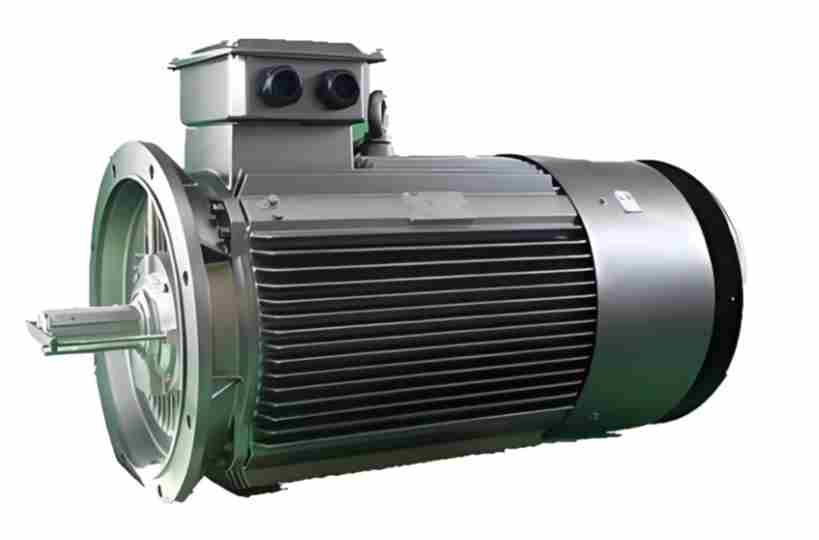
- YKK/YRKK High-Voltage Asynchronous Motors:Suitable for ground-level lifting, ventilation, and mineral processing equipment
- TDMK Large Synchronous Motors:Suitable for large hoists and direct-drive ball mills
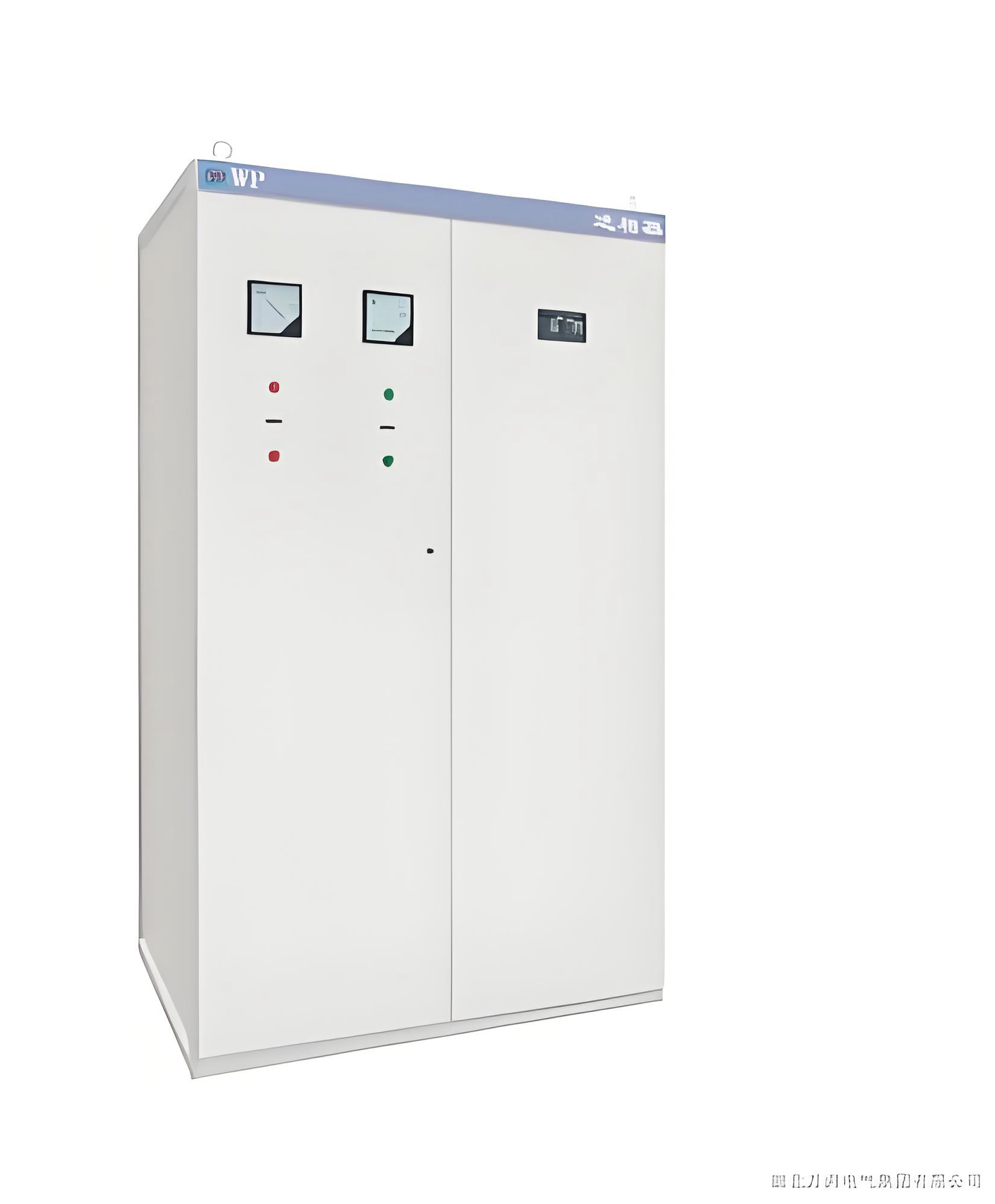
- Matching liquid resistancestarter cabinet:Designed for use with wound-rotor motors to meet heavy-duty starting requirements
If you needGet a complete selection guide and quote for mining motors, or learn more aboutSpecialized Maintenance Services for Mining Motors... Please feel free to contact Xima's mining industry technical team.
Faq
Q: Do mining motors require special protective measures?
Answer: Yes. Mining motors must be selected based on the hazard level of the specific location (presence of explosive gases, dust classification, corrosiveness, etc.) to ensure they meet the appropriate protection rating (IP rating) and explosion-proof rating (Ex rating). All motors used underground in coal mines must be explosion-proof models designed for mining applications.
Q: What special requirements apply to the selection of electric motors for high-altitude mines (above 2,000 meters)?
Answer: For every 1,000-meter increase in altitude, air density decreases by approximately 101 TP3T, reducing the motor’s cooling capacity. This requires derating the motor’s power or selecting a motor specifically designed for high-altitude use (with enhanced heat dissipation). Xima offers specialized high-altitude high-voltage motors suitable for high-altitude mines in Tibet, Qinghai, and other regions at elevations ranging from 3,000 to 5,000 meters.
Xi'an Taifu Xima Motor Group Co., Ltd. | Specialized Manufacturer of Mining Motors | simo.org.cn


 Shaanxi Public Security Bureau No. 41032502000206