


FAQs on High-Voltage Motor Procurement: Comprehensive Coverage of Pricing, Lead Times, Certification Verification, and Key Contract Terms
Date: 2026-06-16 Categories: Industry News Views: 14119
Excerpt:
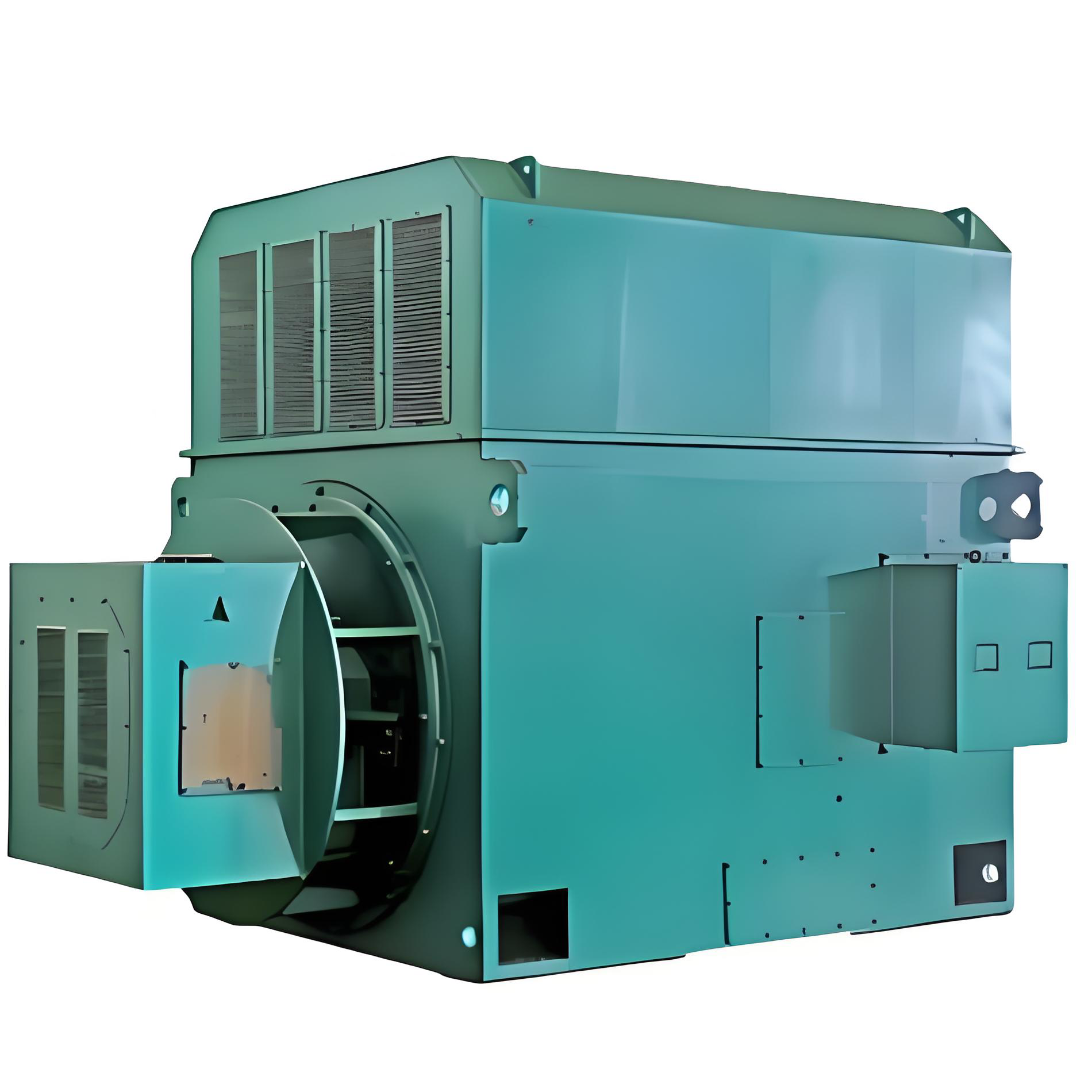
FAQs on High-Voltage Motor Procurement: Comprehensive Coverage of Pricing, Lead Times, Certification Verification, and Key Contract Provisions. With individual high-voltage motors ranging in value from tens of thousands to millions of yuan, the cost of a procurement decision error is extremely high. This article compiles the 20 most common core issues encountered by factory procurement engineers and equipment managers during the procurement of high-voltage motors, provided by Xi’an Taifu Xima Motor Group.
Article Catalog[Hidden]
- FAQs on High-Voltage Motor Procurement: Comprehensive Coverage of Pricing, Lead Times, Certification Verification, and Key Contract Terms
- I. Issues Related to Prices and Quotes
- II. Issues Regarding the Confirmation of Technical Specifications
- III. Verification of Manufacturer Qualifications
- IV. Delivery Times and Logistics Issues
- V. Contract and Warranty Issues
- VI. Installation and Commissioning Issues
- VII. Other Frequently Asked Questions
- Contact Xima directly for professional support
High voltage motorsProcurement FAQs: Comprehensive Coverage of Pricing, Lead Times, Qualification Verification, and Key Contract Provisions
The value of a single high-voltage motor ranges from tens of thousands to several million yuan, so the cost of a wrong procurement decision is extremely high. This article summarizes the 20 most common core issues encountered by factory procurement engineers and equipment managers when purchasing high-voltage motors, compiled by Xi'anTaifu Simo MotorThe Group's technical sales team provides detailed answers based on actual purchasing scenarios.
If you need to directlyGet a Quote or Technical Consultation... Please feel free to contact the Xima Technology sales team; we typically respond within 24 hours.
I. Issues Related to Prices and Quotes
Q1: What is the price range for high-voltage motors? What are the main factors that affect their price?
Prices for high-voltage motors vary widely and are primarily influenced by the following factors:
- Power rating:A small 55-kW high-voltage motor costs approximately 30,000–80,000 yuan; a 500-kW motor costs approximately 150,000–300,000 yuan; a 2,000-kW motor costs approximately 600,000–1.2 million yuan; and motors rated at 5,000 kW or higher typically require a separate quote.
- Voltage Rating:The prices for 6 kV and 10 kV are similar, while 3 kV is usually slightly more expensive due to lower production volumes.
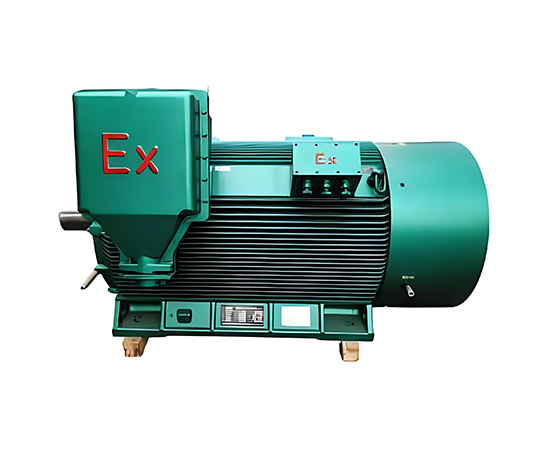
- Protection Rating:Explosion-proof motors are 30%–60% more expensive than standard motors of the same power rating.
- Energy Efficiency Rating:IE3 is typically 5%–15% more expensive than IE2; IE4 (permanent magnet motors) is 50%–150% more expensive.
- Brand:Imported brands (ABB, Siemens) are typically 100%–150% more expensive than mainstream domestic brands (such as Xima).
- Delivery Requirements:For rush production, there is typically a rush fee ranging from 10% to 30%.
We recommend requesting quotes from at least three suppliers for the same specifications and comparing not only prices but also technical specifications and service terms.
Q2: What is included in the prices listed on the quote? What are some common omissions?
- Typically includes:Motor Housing, Basic Packaging
- Common Omissions (Require Clear Confirmation):Shipping costs (especially for high-power, oversized shipments), hoisting fees, factory inspection fees (third-party witnessed inspection), spare parts (initial grease, spare bearings), technical documentation (drawings, manuals, certificates of conformity), and installation and commissioning guidance fees
Be sure to specify the scope of the quote in writing before signing the contract to avoid disputes later on.
Q3: Are the prices of high-voltage motors negotiable? How much room is there for negotiation?
There is typically room for negotiation on the price of high-voltage motors ranging from 10% to 20%, but not all concessions are related to price. Effective negotiation strategies include: securing discounts through bulk purchases (multiple motors for the same project); accepting slightly longer lead times (so manufacturers can incorporate the order into standard production batches); minimizing non-essential customization requests; and accepting domestic standard bearings as substitutes for specified imported models.
II. Issues Regarding the Confirmation of Technical Specifications
Q4: What technical information should be provided to the manufacturer prior to purchasing?
Complete technical request for quotation information should include:
- Load types (pumps, fans, compressors, crushers, etc.) and their operating parameters
- Rated Power (kW) and Required Speed (rpm)
- Supply voltage (6 kV or 10 kV) and frequency (50 Hz)
- Installation Methods (Horizontal IMB3, Vertical IMV1, etc.)
- Operating Environment (Indoor/Outdoor, Temperature Range, Altitude, Explosion-Proof Requirements)
- Start-up Methods (Direct Start, Soft Start, Variable Frequency Start)
- Cooling Method Requirements (IC411: Fully Enclosed Air-Cooled; or IC611: Duct-Ventilated)
- Energy Efficiency Class Requirements (IE2 or IE3)
- Special Certification Requirements (Explosion-Proof Certification, Export Certification, etc.)
The more complete the information you provide, the more accurate the manufacturer's quote will be, and the fewer changes will be needed later on.Xima Technical TeamWe can assist you in filling out the product selection form.
Q5: How can I verify whether the efficiency data provided by the manufacturer is accurate?
- Request that the manufacturer provide a third-party test report for motors with specific specifications (issued by the National Motor Quality Supervision and Inspection Center).
- Check the report date and the testing organization’s accreditation (CMA certification mark)
- Verify whether the claimed energy efficiency rating is met by comparing it to the efficiency limits for the corresponding specifications in the GB 18613-2020 standard.
- High-power critical equipment may require witness testing prior to shipment (at the customer's site or witnessed by a third-party organization).
Q6: What key parameters in a datasheet are often overlooked?
- Locked-rotor current ratio (Is/In):Key parameters affecting the impact on the power grid during direct startup; typically 5–7 times; values exceeding 8 times require consultation with the power utility.
- Locked-rotor torque ratio (Ts/Tn):Core parameter for startup capability; must be greater than 1.5 for heavy-load startup scenarios
- Minimum torque ratio:The minimum torque during acceleration must be at least 15% greater than the load's holding torque.
- Moment of Inertia (GD²):Calculate the startup time and the necessary parameters for protection settings
- Noise Level (dB):Some factories have noise standards that must be met.
- Weight:Factors Affecting Lifting Plans and Transportation Costs
III. Verification of Manufacturer Qualifications
Q7: How can you verify whether a high-voltage motor manufacturer has the necessary production qualifications?
- Business License:The scope of business must include "motor manufacturing" or "motor production," which can be verified online on the website of the State Administration for Market Regulation (gsxt.samr.gov.cn).
- ISO 9001 Certification:For quality management system certification, a valid certificate must be provided, and the scope of products covered by the certificate must be verified.
- Explosion-Proof Certification:give birth to a childExplosion-proof motorsMust be held; can be verified on the website of the National Center for Quality Supervision and Testing of Explosion-Proof Products
- Export Certification:When there is a need to export, confirm whether you hold relevant certifications such as CE and UL.
- Field Visit:For large-scale purchases or major projects, it is recommended to arrange site visits to suppliers’ factories, with a focus on inspecting production equipment, testing equipment, and the implementation of the quality management system.
Simo motorsWe hold ISO 9001 quality management system certification and explosion-proof product certification. We welcome inquiries from buyers.Contact Us to Schedule a Factory Tour。
Q8: What is the difference between purchasing through a distributor and purchasing directly from the manufacturer?
- Purchase directly from the manufacturer:It offers the lowest price, the most direct technical integration, and the clearest warranty terms, but requires a certain level of technical expertise to verify the specifications on your own.
- Purchasing through a distributor:Localization services are available (rapid response, small-batch inventory, installation guidance), but prices are typically 5%–15% higher, and an additional step is added to the warranty chain.
- Purchasing through a system integrator:Suitable for purchasing a complete drive system (motor + inverter + control system); the integrator is responsible for system compatibility, but the price is the highest.
IV. Delivery Times and Logistics Issues
Q9: What is the standard production lead time for high-voltage motors?
- Standard Models (in stock or already on the production schedule): 4–8 weeks
- Standard Models (requires separate production scheduling): 8–12 weeks
- Custom Models (Special Voltage, Special Design): 12–20 weeks
- Extra-high power (2,000 kW or more): 16–24 weeks
Xima maintains a certain level of inventory for motors in commonly used power ranges, which helps shorten delivery times.Check Inventory StatusPlease contact the sales team.
Q10: What precautions should be taken when transporting large, high-voltage motors?
- Oversized and Overweight Transportation: High-voltage motors rated at 1,000 kW or more typically exceed road transport limits and require an oversized transport permit.
- Axial Securing: The rotor must be secured axially during transport to prevent stress on the bearings.
- Moisture-Proofing Measures: For long-distance transport, use inflatable packaging or silica gel desiccant to prevent moisture damage.
- Lifting Requirements: The unloading site must be equipped with a crane of sufficient lifting capacity; the manufacturer must provide the lifting point locations and the maximum lifting weight.
- Incoming Inspection: Immediately inspect the packaging for integrity upon receipt, and measure the insulation resistance to establish a baseline value for delivery.
V. Contract and Warranty Issues
Q11: What key terms should a high-voltage motor purchase contract include?
- Technical Specifications:Specify all key parameters (power, voltage, speed, efficiency class, protection rating, explosion-proof rating) and include the technical specifications as an attachment to the contract.
- Quality Standards:Indicate the applicable standards (GB/T 755, GB/T 1032, etc.) and energy efficiency ratings (GB 18613-2020)
- Delivery Time:Specify the delivery date and location, and stipulate the liability for breach of contract in the event of a delay.
- Acceptance Criteria:Specifies factory test items, acceptance criteria, and the right to witness testing
- Warranty Period:Typically, a 12- to 18-month warranty is required, with the scope of coverage clearly defined (whether it covers the entire unit or specific components).
- Spare Parts Supply:Commitment period for the supply of spare parts following the warranty period (recommended to be no less than 10 years)
- Technical Documents:Specify the list of technical documents to be provided (drawings, instructions, maintenance manuals, certificates of conformity, test reports)
Q12: If a problem arises during the warranty period, how is liability determined?
- Manufacturer's Liability:The manufacturer is responsible for repairing or replacing the motor in the event of a failure caused by a design or manufacturing defect.
- User Responsibilities:Failures caused by overloading, improper installation, or inadequate maintenance are generally not covered under the warranty.
- Dispute Resolution:In the event of a malfunction, engineers from both parties shall jointly analyze the cause of the malfunction and, if necessary, commission a third-party testing agency to issue an appraisal report.
- Preservation of Evidence:Operational records (current, temperature, vibration) serve as important evidence for determining liability; it is recommended that records be kept throughout the entire process.
VI. Installation and Commissioning Issues
Q13: What are the key steps in the installation and commissioning of high-voltage motors?
- Before installation: Measure the insulation resistance (and compare it with the factory records); verify the locations of the anchor bolt holes; confirm the bearing capacity of the foundation.
- Installation Process: Precise alignment (coupling coaxiality ≤ 0.05 mm); levelness correction (≤ 0.1 mm/m); uniform tightening of anchor bolts to the specified torque
- Before the first startup: Verify the direction of rotation (test run); check the protection settings (overcurrent, overtemperature, and differential protection); verify that the cooling system is functioning properly
- After the initial startup: Monitor the startup current and duration; measure the balance of the three-phase operating currents; monitor vibration and temperature until the system stabilizes.
Q14: How long after installation should the first maintenance be performed on a high-voltage motor?
Newly installed high-voltage motors typically undergo their first maintenance inspection after 500 hours of operation (approximately one month): Tighten the bolts securing the foundation and wiring terminals (which may have loosened during initial operation); check for any changes in coupler alignment; replenish bearing grease (grease is consumed more rapidly during the initial running-in period); and measure and record baseline vibration and temperature values.
VII. Other Frequently Asked Questions
Q15: If an imported motor breaks down, can it be replaced with a domestically manufactured motor?
Yes, but please note the following: Verify that the installation dimensions (frame size, shaft extension, and foot spacing) allow for a direct replacement; ensure that the performance parameters (power, speed, and starting characteristics) match those of the original equipment; and if the original motor has specific certification requirements (such as explosion-proof certification), the replacement must also hold the corresponding certification.Simo High Voltage MotorsCan replace most common sizes of mainstream imported brands such as ABB and Siemens.
Q16: How can I evaluate the cost-effectiveness of refurbishing an old motor versus purchasing a new one?
Refurbishment is generally more cost-effective under the following circumstances: the refurbishment cost is 60% less than the price of a new motor; the motor has been in service for no more than 15 years; the failure is limited to localized damage (rather than overall aging of the insulation system); and the lead time for a new motor of the same specifications is long (more than 12 weeks). If these conditions are not met, it is recommended to purchase a new motor.Xima Maintenance TeamWe can provide a free cost comparison analysis between renovation and purchasing new.
Q17: Is a competitive bidding process required for the procurement of high-voltage motors?
In accordance with the “Government Procurement Law” and the “Bidding and Tendering Law”: government-invested projects in which the value of a single motor exceeds 500,000 yuan (standards may vary by region) generally require open bidding; State-owned enterprises must comply with their internal procurement regulations for purchases exceeding a certain threshold; while there are no mandatory requirements for private enterprises, it is recommended that they conduct price comparisons for large-value purchases (over 1 million yuan) to meet internal control requirements.
Q18: How do I request after-sales technical support from a supplier?
- Specify after-sales response time commitments in the contract (e.g., arrival on-site within 48 hours)
- Please provide contact information for the local service representative (not the main switchboard, but the specific person in charge).
- Define the Emergency Troubleshooting Process (24/7 Phone Technical Support)
- Stipulate a spare parts supply commitment (common bearings and seals to be supplied within a reasonable timeframe)
Xima Electric has established a service network in major industrial regions such as Shaanxi, Gansu, Ningxia, and Inner Mongolia, as well as in North China and Central China, and promises to arrive on-site within 48 hours.Learn About the Coverage of the Xima Service Network。
Q19: What tariffs and certifications apply to the import and export of high-voltage motors?
- Import Duties:High-voltage motors with HS codes 850110/850120 have a base tariff rate of 7.51 TP3T—101 TP3T, plus a value-added tax of 131 TP3T, resulting in a total tax burden of approximately 221 TP3T—241 TP3T.
- Export Certification:Exports to the EU require CE certification (Machinery Directive, Low Voltage Directive, Electromagnetic Compatibility Directive); exports to North America require UL or CSA certification; exports to Russia/the CIS require EAC certification.
- Country of Origin:To determine whether preferential tariff rates apply, this must be confirmed at the time of purchase.
Q20: How do you establish a supplier database and an evaluation system for high-voltage motor suppliers?
- Basic Information File: Business License, Qualification Certificates, Production Capacity, Representative Client Case Studies
- Quality History: Records of quality issues from past purchases and the results of their resolution
- Evaluation Criteria: Product Quality (40%), On-Time Delivery (25%), Price Competitiveness (20%), After-Sales Service (15%)
- Evaluation Frequency: At least one formal evaluation per year; the evaluation results affect the allocation of procurement quotas for the following year.
- Management of Qualified Suppliers: It is recommended to maintain a list of 2–3 qualified high-voltage motor suppliers to avoid single-source risks.
Contact Xima directly for professional support
The technical sales team at Xi'an Taifu Xima Motor Group offers: free technical consultation on product selection, detailed technical specifications and quotations, arrangements for factory tours, energy-saving benefit calculation reports, and cost-benefit analyses comparing repairs versus new purchases.

Submit a Quote Request Now, or viewHigh-Voltage Motor Product Line, Learn moreMotor Repair and Maintenance Services。
Xi'an Taifu Simo Motor Group Co., Ltd. | Specialized Manufacturer of High-Voltage Motors | Established in 1955 | Nationwide Service | simo.org.cn


 Shaanxi Public Security Bureau No. 41032502000206