

Improving Energy Efficiency and Environmental Protection: Future Trends in Energy-Efficient Motors
Date: 2026-08-08 Categories: Faq Views: 6330
Excerpt:
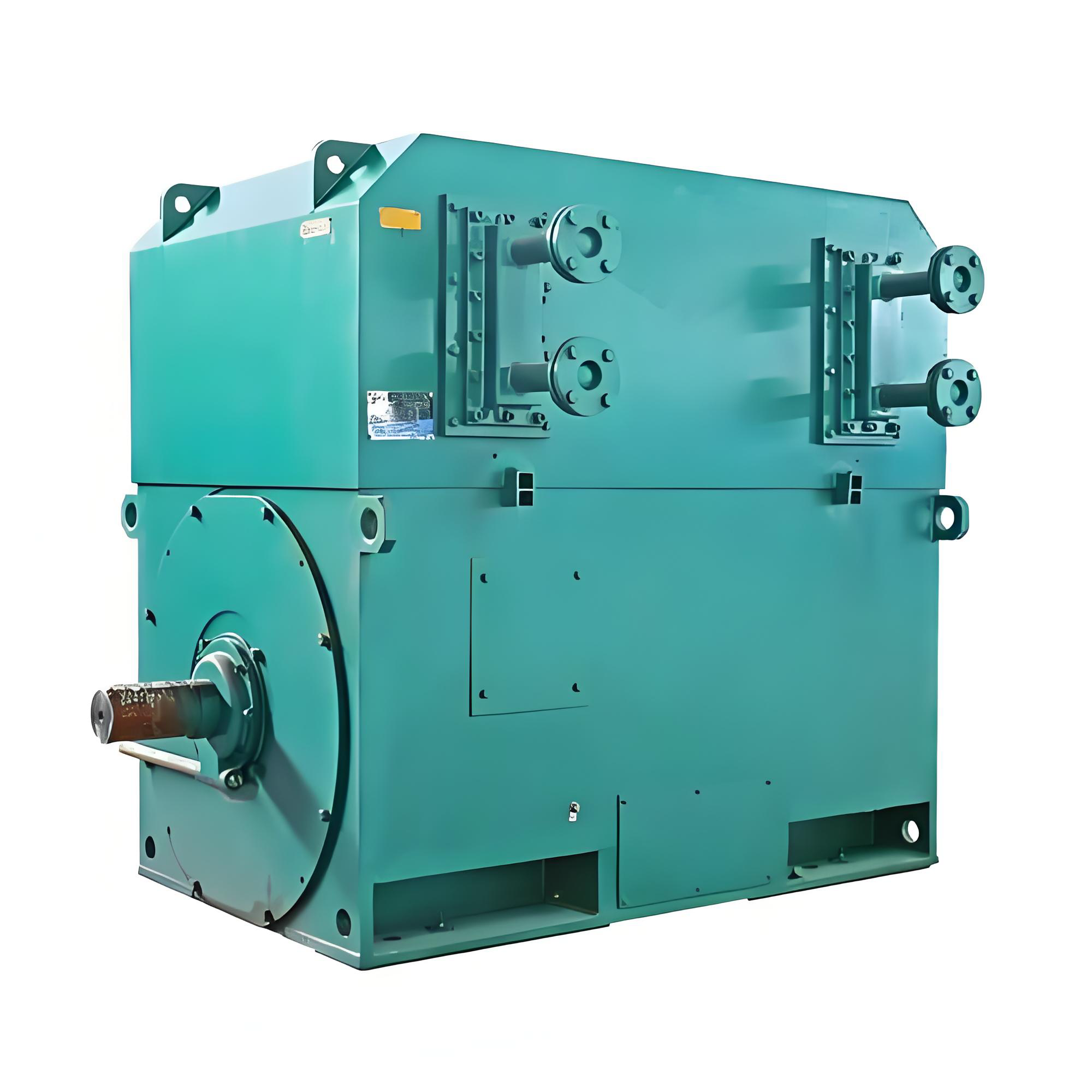
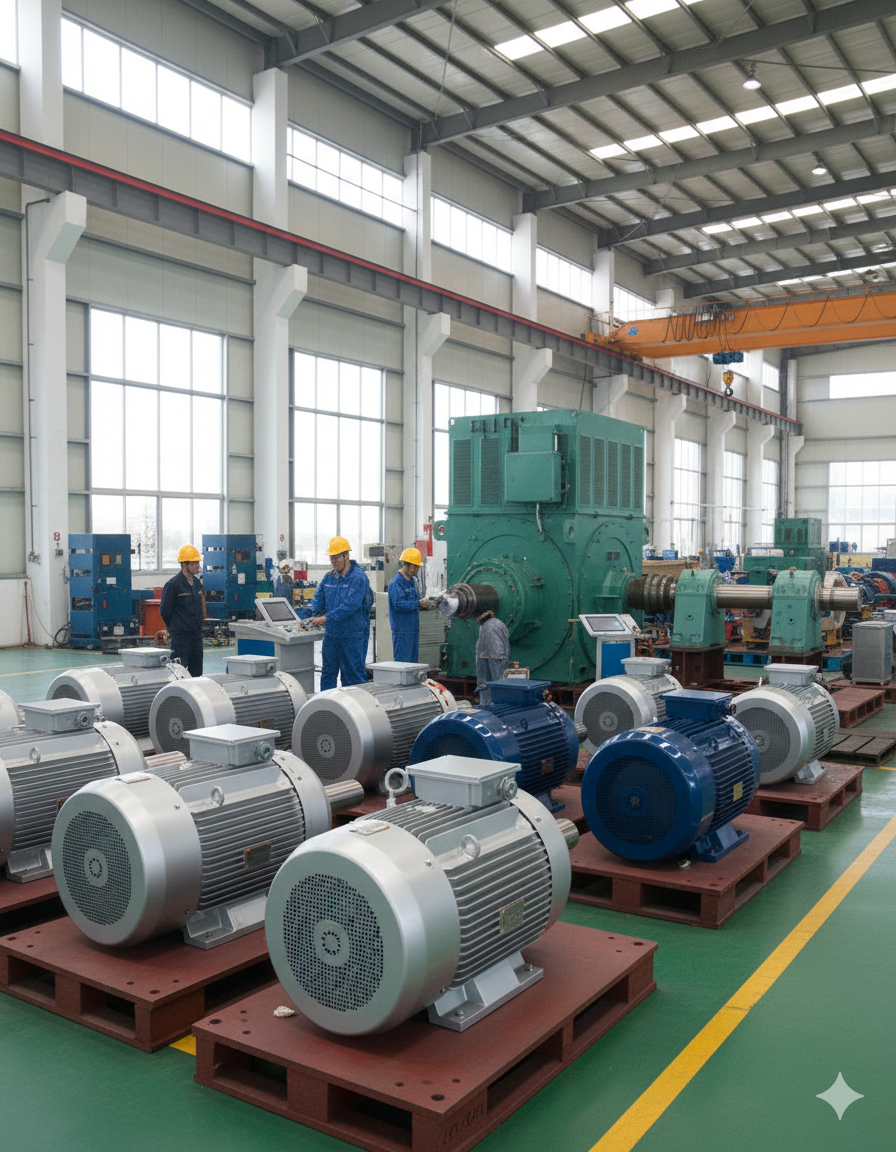
Energy-Efficient Motors: The Future Choice for Saving Energy and Improving Efficiency Against the backdrop of current global energy shortages and growing environmental awareness, energy-efficient motors have garnered widespread attention for their high efficiency and eco-friendly characteristics. As indispensable equipment in modern industry and daily life, energy-efficient motors not only help businesses reduce operating costs but also contribute to protecting the environment
Article Catalog[Hidden]
Energy-Efficient Motors: The Future Choice for Saving Energy and Improving Efficiency
![[Keywords]](https://simo.org.cn/wp-content/uploads/2023/08/1763950601-ztp2.png "[Keywords]")
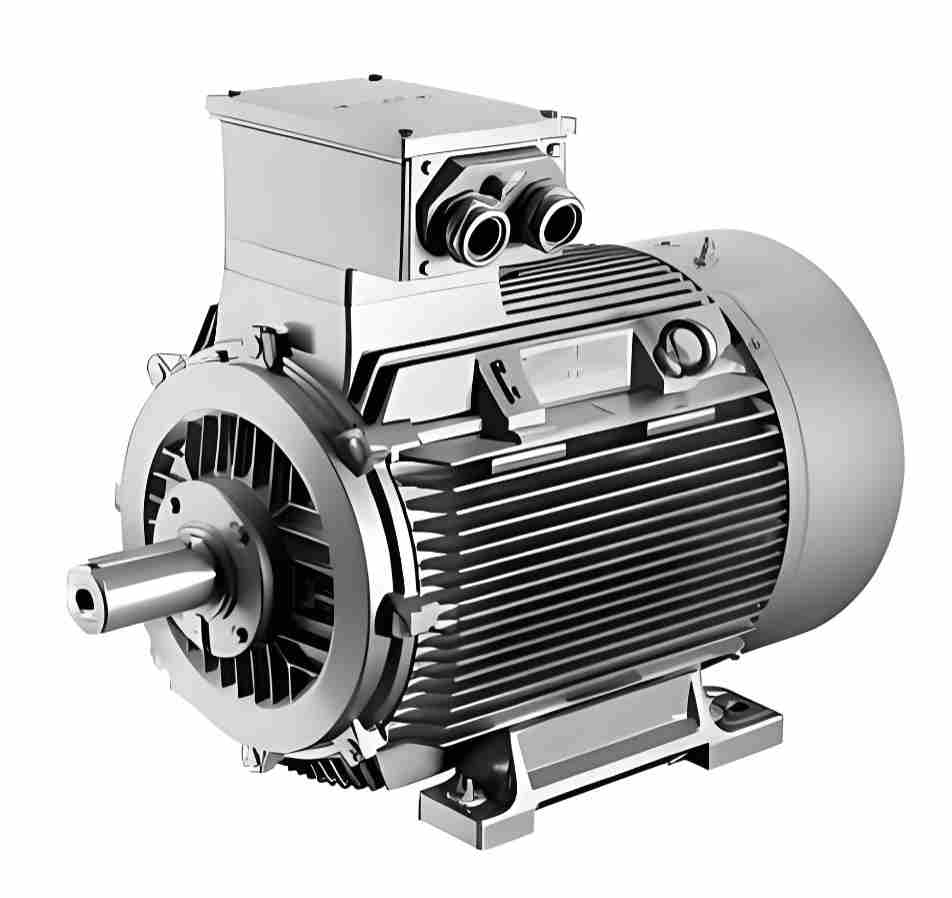
Against the backdrop of current global energy shortages and growing environmental awareness,Energy-saving motorThey have attracted widespread attention for their high efficiency and eco-friendly characteristics. As indispensable equipment in modern industry and daily life, energy-efficient motors not only help businesses reduce operating costs but also play a significant role in protecting the environment.
Energy-saving motorThis refers to a class of motors that can achieve the same or higher performance with lower energy consumption during operation. According to International Electrotechnical Commission (IEC) standards, these motors typically have a higher energy efficiency rating; the higher the rating, the less energy is wasted during operation. For example, standard motors such as IE2, IE3, and IE4 represent a progression from standard motors to high-efficiency motors, respectively. By selecting energy-efficient motors that meet high energy efficiency ratings, businesses can significantly reduce electricity consumption over the long term.
Advantages of energy-efficient motors
In addition to reducing energy costs, the primary advantage of using energy-efficient motors is that they help improve equipment operating efficiency. Energy-efficient motors incorporate more advanced designs and materials, such as high-permeability materials and high-quality insulation, which can significantly reduce energy loss. This means that, at the same current, energy-efficient motors can deliver greater power output, thereby improving production efficiency.
For example, during a equipment upgrade, a manufacturing company replaced its existing standard motors withEnergy efficient motors. After operating for some time, the company found that it had achieved cumulative savings of approximately 30% in electricity costs. At the same time, the equipment’s operational stability and production efficiency have also improved significantly. This has not only enhanced the company’s market competitiveness but also laid a solid foundation for future environmental protection measures.
Applications of Energy-Efficient Motors
Energy-efficient motors are widely used in various sectors, including industrial, commercial, and residential applications. In industrial applications, energy-efficient motors are commonly used in equipment such as pumps, fans, and compressors, helping businesses achieve energy savings and reduce consumption. In the commercial sector, air conditioning and lighting systems in locations such as shopping malls and offices are also gradually transitioning to energy-efficient motors to reduce the waste of electrical resources.
In household use, many home appliances—such as washing machines and refrigerators—are now equipped with energy-efficient motors. When purchasing these products, consumers should pay attention to their energy efficiency labels and choose appliances with high-efficiency motors to help achieve energy-saving goals in their daily lives.
The Future of Energy-Efficient Motors
With continuous technological advancements and growing environmental awareness, the market outlook for energy-efficient motors is widely viewed as promising. It is expected that over the next few years, the use of energy-efficient motors will become even more widespread, and various new technologies—such as intelligent control systems and variable-frequency technology—will continue to be integrated into motor design, further enhancing their energy efficiency.
At the policy level, governments around the world have also introduced a series of measures to encourage businesses and individuals to use energy-efficient products. Therefore, choosing energy-efficient motors is not only a wise decision for businesses to reduce costs, but also a responsibility to comply with national environmental policies and put the principles of sustainable development into practice.
From the above analysis, we can see that,Energy-saving motorThanks to its outstanding performance and environmental benefits, it is becoming the mainstream choice for future energy consumption. In the face of intense market competition, companies that actively adopt this advanced technology will not only safeguard their own economic interests but also make a positive contribution to environmental protection and sustainable development.


 Shaanxi Public Security Bureau No. 41032502000206