


2026 Interpretation of the new industrial motor energy saving standard: GB18613-2020 implementation impact and compliance guide
Date: 2026-05-16 Categories: Faq Views: 9996
Excerpt:
Interpretation of the new industrial motor energy efficiency standard in 2026: GB18613-2020 Implementation Impact and Compliance Guide GB18613-2020 "Electric Motor Energy Efficiency Limit Values and Energy Efficiency Ratings" is the most stringent motor energy efficiency standard in China's history, which was formally implemented on June 1, 2021, replacing GB18613-2, which had been implemented for many years.
Article Catalog[Hidden]
- 2026 Interpretation of the new industrial motor energy saving standard: GB18613-2020 implementation impact and compliance guide
2026 Interpretation of the new industrial motor energy saving standard: GB18613-2020 implementation impact and compliance guide
GB 18613-2020, “Energy Efficiency Limit Values and Energy Efficiency Grades for Electric Motors,” is the strictest motor energy efficiency standard in China’s history. It officially took effect on June 1, 2021, replacing GB 18613-2012, which had been in effect for many years. The implementation of this standard means that a large number of previously compliant IE2-class motors will be phased out, and companies are facing compliance pressures regarding both the retrofitting of existing equipment and the selection of new purchases.
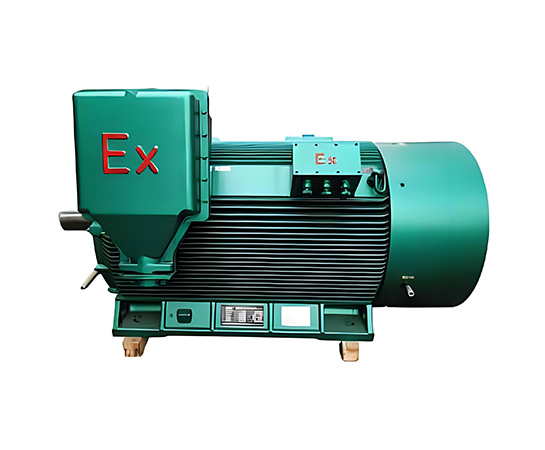
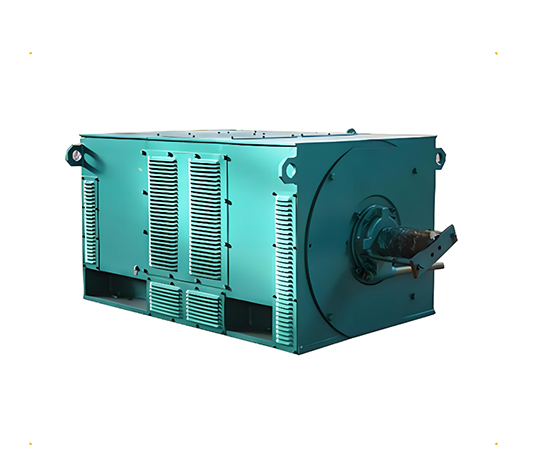
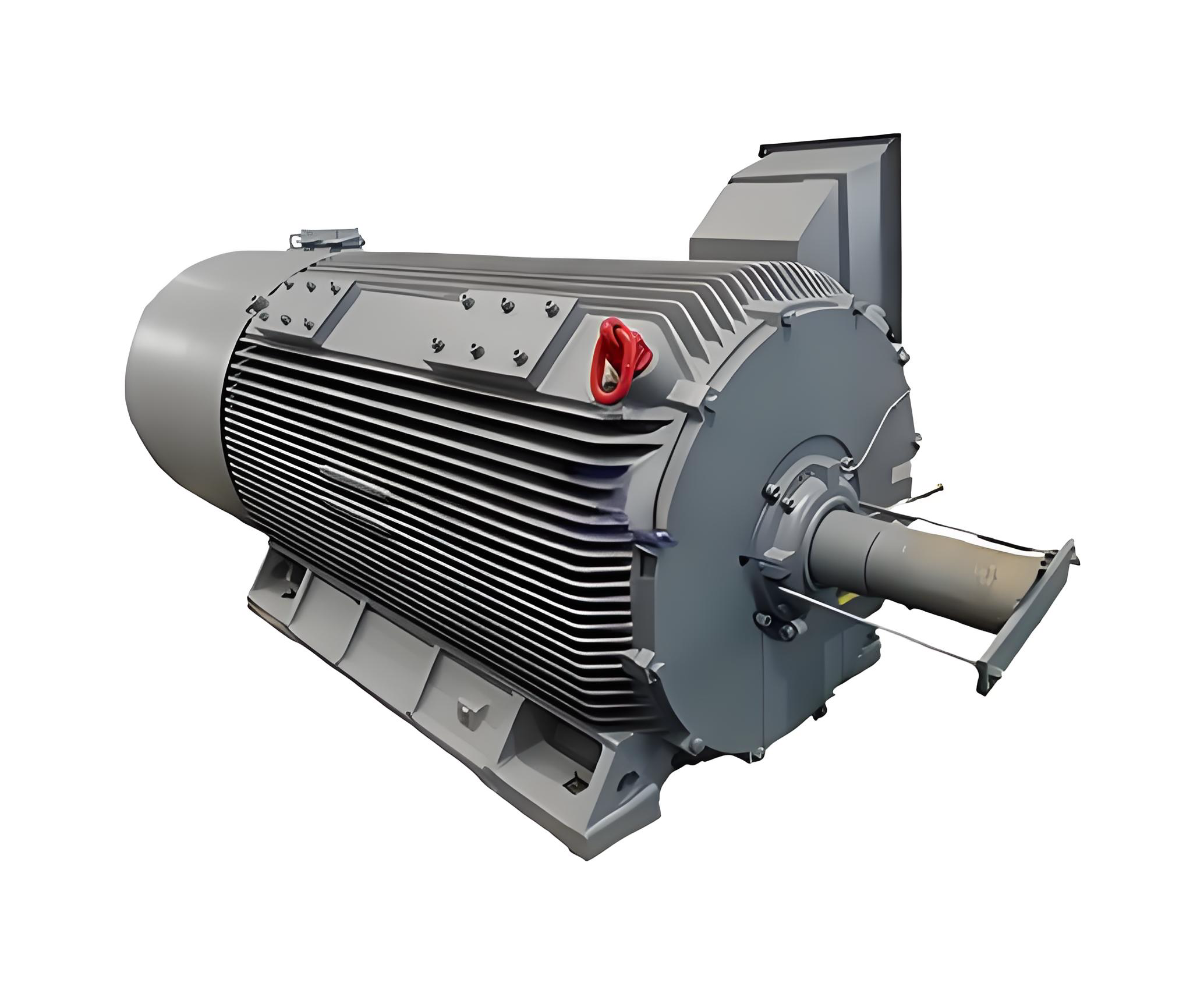
Xi'anTaifu Simo MotorThe Group's Full LineupHigh voltage motorsThe products comply with the GB18613-2020 IE3 energy efficiency requirements, and some products meet the IE4 ultra-high efficiency standard.View the Xima Energy-Saving High-Voltage Motor SeriesGet product information that complies with the new standards.
Key Changes Between the Old and New Standards
GB 18613-2020 includes three fundamental changes compared to the 2012 version:
Change 1: Redefinition of Efficiency Levels
The new standard adopts the IE classification system, which is consistent with the IEC 60034-30-1 international standard:
- IE1 (Energy Efficiency Class 4): Corresponds to Level 3 of the original standard and has been designated as the lower limit of the energy efficiency threshold,Production and sale prohibited after June 1, 2021
- IE2 (Energy Efficiency Class 3): Corresponds to Level 2 of the original standard,Minimum Compliance Requirements for Newly Purchased Motors, but government procurement and state-owned enterprise procurement projects typically require IE3 or higher
- IE3 (Tier 2 Energy Efficiency): Corresponds to Level 1 of the original standard; currently the most widely recommended rating and the threshold for receiving government energy-saving subsidies
- IE4 (Energy Efficiency Class 1): Ultra-high efficiency—permanent magnet synchronous motors typically achieve this level, which represents the future direction of development
Change 2: Significant Expansion of Coverage
The new standard brings high-voltage motors (1 kV or higher but less than 35 kV) under mandatory regulation, marking a significant change from the previous situation in which high-voltage motors had long been exempt from energy efficiency standards:
- Voltage range: 1 kV–35 kV (including 6 kV and 10 kV high-voltage motors)
- Power range covered: 0.12 kW–1,000 kW (future amendments will cover a wider power range)
- Number of poles: 2-pole, 4-pole, 6-pole, 8-pole
Change 3: Stricter Testing Methods
The new standard stipulates that efficiency testing must be conducted using Method B (the preferred method) or Method A as specified in GB/T 1032-2012, rather than the less accurate methods previously permitted, to ensure the comparability and reliability of efficiency data.
Specific Impact on the Procurement of High-Voltage Motors
Procurement Requirements for New Projects
Effective June 1, 2021, all newly manufactured or purchased high-voltage motors must comply with the following:
- Minimum energy efficiency class: IE2 (Class 3) — This is the statutory minimum requirement; be sure to specify the energy efficiency class requirement in the procurement contract.
- Government/State-Owned Enterprise Projects: Typically require IE3 (Level 2 energy efficiency) or higher; this should be explicitly stipulated in the procurement documents.
- Energy-Saving Subsidy Application: Projects applying for industrial energy-saving retrofit subsidies must meet IE3 requirements
Key Points of a Procurement Contract:The contract must specify that "the products must comply with the requirements of GB 18613-2020 and have an energy efficiency rating of no less than IE3 (Level 2 energy efficiency)," and require the supplier to provide an energy efficiency certification or test report as a condition of delivery.
Management of Existing Equipment
IE1 and IE2 high-voltage motors that were already installed and in operation as of June 1, 2021:
- Legal Aspect: Use is permitted until the vehicle reaches the end of its natural service life; immediate replacement is not required.
- Policy: The government encourages the early replacement of energy-intensive motors, and subsidies for energy-saving retrofits are available.
- Economic Considerations: Replacing an IE1 motor with an IE3 motor improves efficiency by 5%–10%; the replacement cost is typically recouped through energy savings within 2–4 years.
Motor Nameplate and Documentation Requirements
Motor nameplates that comply with the new standards must include the following:
- Energy Efficiency Class (e.g., IE3 or Class 2)
- Efficiency values at rated load (rounded to one decimal place)
- Standard Number (GB 18613-2020)
During procurement acceptance, verify that the information on the nameplate is complete and request a third-party test report (not mandatory, but recommended when purchasing high-power, high-voltage motors).
Compliance Priorities Across Different Industries
Energy-intensive industries (coal mining, cement, steel, and chemicals)
These industries are a key focus of energy-saving policies and are subject to frequent inspections by regulatory authorities:
- A record should be maintained for motors currently in use, listing their model numbers, energy efficiency ratings, and years of operation.
- A replacement plan should be developed for IE1 motors (i.e., Grade 3 under the original standard) listed in the phase-out catalog.
- New or retrofit projects must undergo an energy efficiency assessment, with the energy efficiency rating of electric motors being a key focus of the assessment.
Publicly Traded Companies/State-Owned Enterprises
- ESG reports must disclose the energy efficiency of energy-consuming equipment; the percentage of motors meeting IE3 or higher standards is a key indicator.
- Procurement of high-voltage motors by central government-owned enterprises typically specifies requirements of IE3 or higher, and some have already mandated IE4.
Energy-Efficiency Retrofit Plans and Subsidy Applications
Modification Option 1: Directly Replace the Motor
Replacing IE1/IE2 motors with IE3/IE4 motors is appropriate when the motors are nearing or have exceeded their design life (10–15 years). The advantage is that it completely resolves the issue; the disadvantage is the higher initial investment.
Retrofit Option 2: Install a Variable Frequency Drive
For fan and pump loads, install variable-frequency drives (VFDs) while retaining the existing motors to reduce actual power consumption by adjusting the speed. The retrofit costs are relatively low, and the energy-saving effects are significant (energy savings for fans and pumps can reach 30%–50%).
Retrofit Option 3: Simultaneous Replacement of Motor and Variable Frequency Drive
Upgrading the motor to an IE3 permanent magnet motor and pairing it with a high-efficiency variable-frequency drive in a single step yields the best energy-saving results and is the preferred solution for high-power critical equipment.
Key Points for Applying for Subsidies
- Source of Subsidies: The Ministry of Industry and Information Technology’s "Energy-Efficient Retrofit of Motor Systems" Special Program and local energy-efficiency retrofit subsidies
- Application Requirements: The motor must meet IE3 standards after retrofitting, and data comparing electricity consumption before and after the retrofit must be provided.
- Application Materials: Renovation Plan, Equipment List, Energy Efficiency Test Report, Explanation of Electricity Savings Calculations
For more information,Procurement Plan for High-Voltage Motors Compliant with GB 18613-2020... or for technical support regarding energy-saving retrofits, please feel free to contact the Xima technical team.Overhaul and Refurbishment Services for Used MotorsIt can also serve as a temporary solution until a complete replacement is made.
Faq
Q: Are IE2 motors still available for purchase?
Answer: Currently, IE2 (Energy Efficiency Class 3) remains the lowest class that is legally available for purchase. However, we recommend prioritizing IE3, as an increasing number of project tender documents now explicitly require IE3, and national policy is moving toward continuously raising the standards.
![[Keywords]](https://simo.org.cn/wp-content/uploads/2025/11/1763967933-24150112.jpg "[Keywords]")
Q: How can I determine whether a motor currently in use complies with the new standards?
Answer: Check the energy efficiency rating on the motor nameplate. If the nameplate does not specify the rating, compare the efficiency value on the nameplate with the efficiency limit table for the corresponding specifications in GB 18613-2020.
Q: How do the new standards for high-voltage motors (6 kV/10 kV) differ from those for low-voltage motors?
Answer: The efficiency limit tables for high-voltage motors are separate from those for low-voltage motors. At the same power rating, the efficiency of high-voltage motors is typically slightly lower (due to additional losses in high-voltage insulation), but the overall requirements are consistent, with IE3 serving as the recommended efficiency class for both.
Xi'an Taifu Xima Motor Group Co., Ltd. | Complies with the GB18613-2020 IE3 Energy Efficiency Standard | simo.org.cn


 Shaanxi Public Security Bureau No. 41032502000206