



Uncovering the core technology of electric motors and the future development trend of the industry
Date: 2025-12-27 Categories: Industry News Views: 9728
Excerpt:
Motor Technology Innovation: The Invisible Engine Driving Modern Industry and Life In today's highly automated world, if you look closely, you will find that behind almost all mechanical movements lies the same “heart” - the electric motor. From the vibrating motor of your cell phone that wakes you up in the morning, to the wall-breaker in the kitchen, to the subway and new energy vehicles that run through the city, electric motors have long penetrated into the capillaries of our lives. It is not only a product of the industrial revolution.
Article Catalog[Hidden]
Motor Technology Innovation: The Invisible Engine Driving Modern Industry and Life
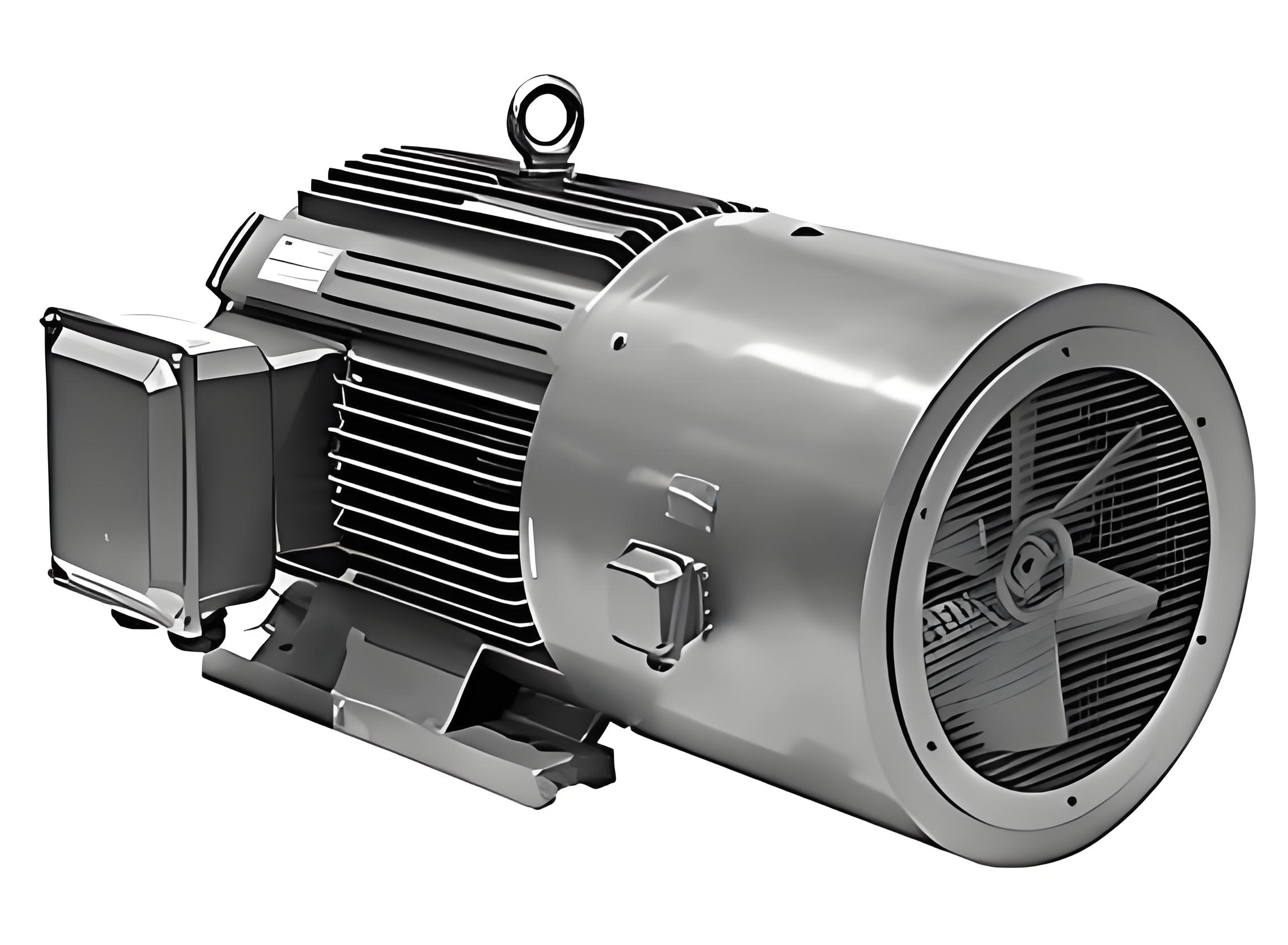
In today's highly automated world, if you look closely, you will find that behind almost all mechanical movements lies the same “heart” - the heart of the machine.Electric motorFrom the vibration motor of the cell phone that wakes you up in the morning, to the wall-breaker in the kitchen, to the subway and new energy vehicles in the city, the electric motor has long penetrated into the capillaries of our lives. It is not only a product of the industrial revolution, but also the core driving force of the fourth industrial revolution (smart manufacturing). In this paper, we will discuss the working mechanism and classification of this key equipment and its cutting-edge applications in modern technology.
Magnificent conversion of electrical and mechanical energy
Electric motor(The core mission of an electric motor, commonly known as a “motor”, is to convert electrical energy into mechanical energy. This process is largely based on the physics ofthe laws of electromagnetic induction.. Simply put, when an energized coil is placed in a magnetic field, it is subjected to the Lorentz force and rotates. Although the principle does not sound complicated, in practical engineering applications, how to maximize the energy conversion efficiency and reduce heat loss is a key indicator of the performance of a motor.
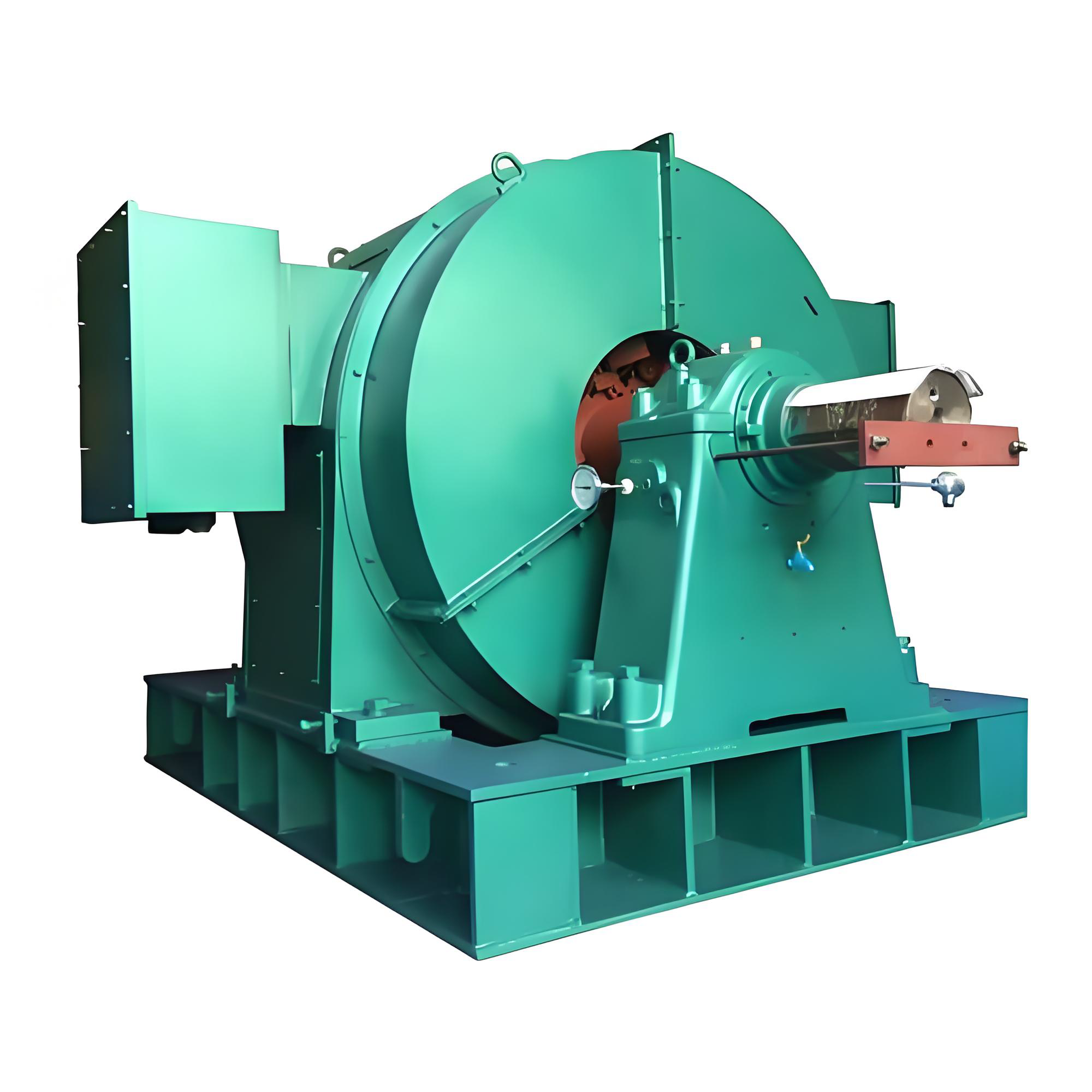
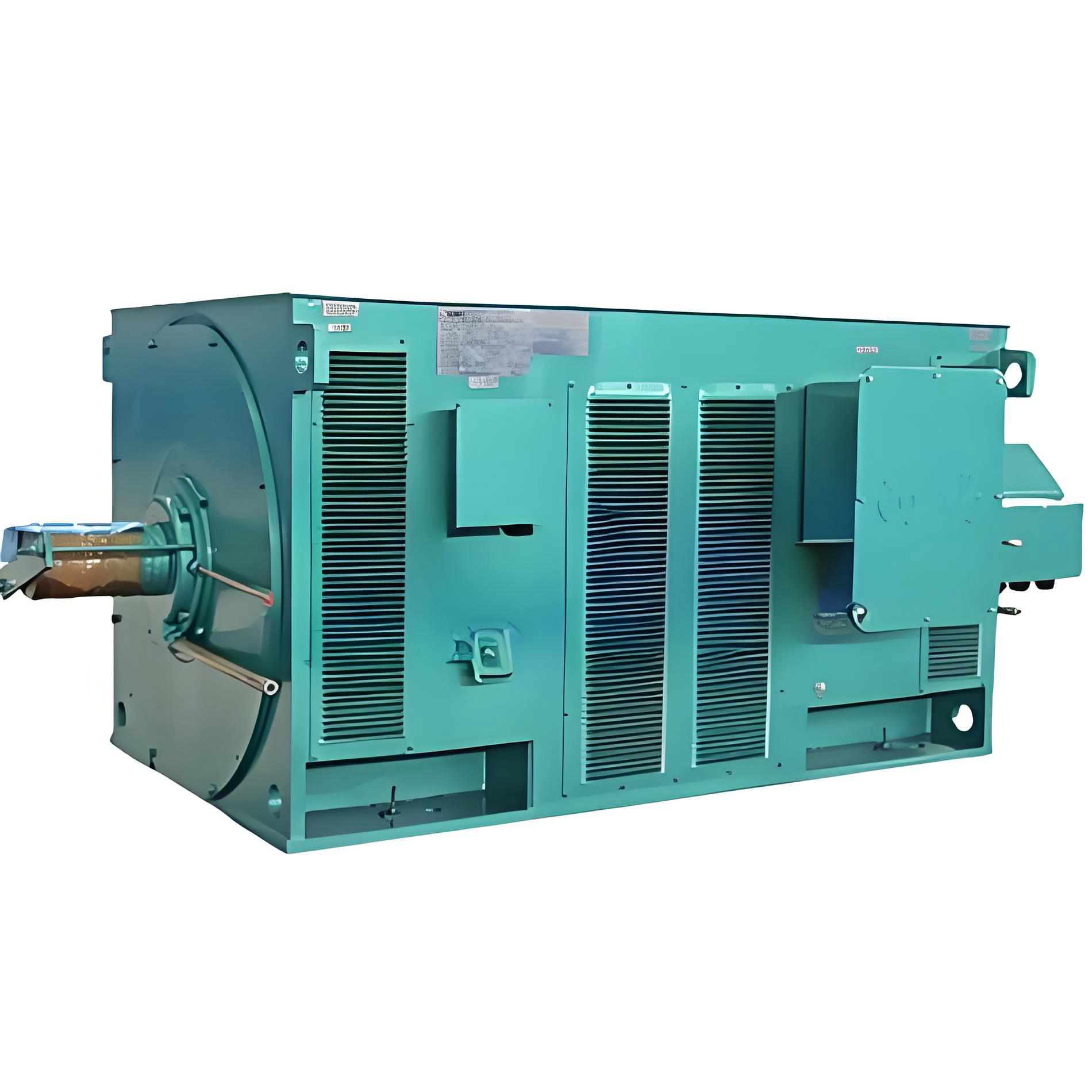
In traditional industrial scenarios, thethree-phase asynchronous motorThey are widely used because of their simple structure and reliable operation. However, the internal structure of the motor is changing drastically as the requirements for control accuracy increase.
From brushed to brushless: an iterative upgrade of technology
In order to meet the demands of modern equipment for silence, long life and high efficiency, motor technology has gone through an important iteration: from the traditionalbrushlessDC motorThe shift to brushless DC motors (BLDC).
Conventional brushed motors change the direction of the current by contacting the carbon brushes with the commutator, which not only generates sparks and noise, but also wear and tear on the carbon brushes greatly shortens the life of the equipment. In comparisonbrushless motorThe use of electronic commutation instead of mechanical contact not only eliminates spark interference, but also raises energy efficiency to a new level. This is particularly evident in consumer electronics, such as high-end hair dryers and vacuum cleaners, which commonly use high-speed brushless motors of up to 100,000 rpm to achieve smaller but more powerful suction.
Case Study: The Heart of New Energy Vehicles
![[Keywords]](https://simo.org.cn/wp-content/uploads/2023/08/1764156254-36173716.jpg "[Keywords]")
If one were to argue that the electric motor's place in the currentnew energy vehicleUndoubtedly the best case in point. In electric vehicles from brands such as Tesla or BYD, high-performance drive motors are no less important than battery systems.
Take, for example, a high-performance coupe from a well-known brand with aPermanent magnet synchronous motorThe engine is capable of delivering a huge amount of torque in a very short instant. Unlike an internal combustion engine, which needs to reach a certain speed to explode its maximum torque, theElectric motorWith the characteristic of “low speed and high torque”, this makes the electric vehicle have an unparalleled sense of acceleration in the starting stage. In addition, through advanced motor control algorithms, the vehicle can also convert kinetic energy into electrical energy and reverse charge it into the battery (i.e., kinetic energy recovery) during braking, and this kind of extreme utilization of energy is precisely the epitome of the refined development of electric motor technology.
The Future of Intelligence and Miniaturization
With the growth of the Internet of Things (IoT), the future of theElectric motorIt will no longer be just an actuator, but an intelligent terminal with sensing capabilities. With integrated sensors, motors can provide real-time feedback on speed, temperature and vibration data, enabling predictive maintenance and avoiding unplanned downtime on industrial production lines.
At the same time, miniaturization is also a major trend. In the medical field, millimeter-sized micro-motors have been implanted in capsule endoscopes, capable of controlling the precise movement of the lens in the human digestive tract. This power breakthrough at the microscopic level is bringing unlimited possibilities for the design of precision medical devices.


 Shaanxi Public Security Bureau No. 41032502000206