


Xima High-Voltage Motor Selection Parameters
Date: 2026-09-14 Categories: Industry News Views: 11774
Excerpt:
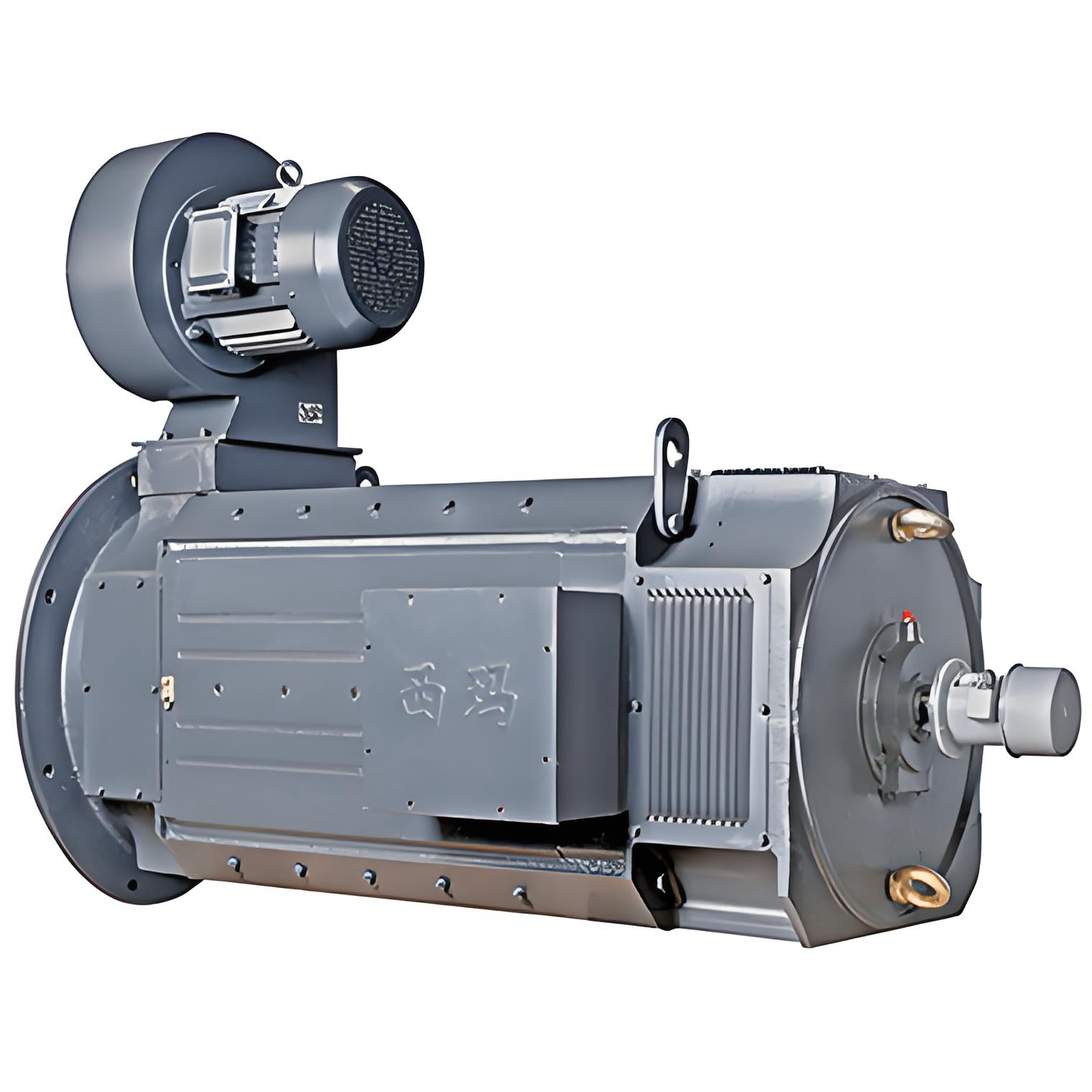
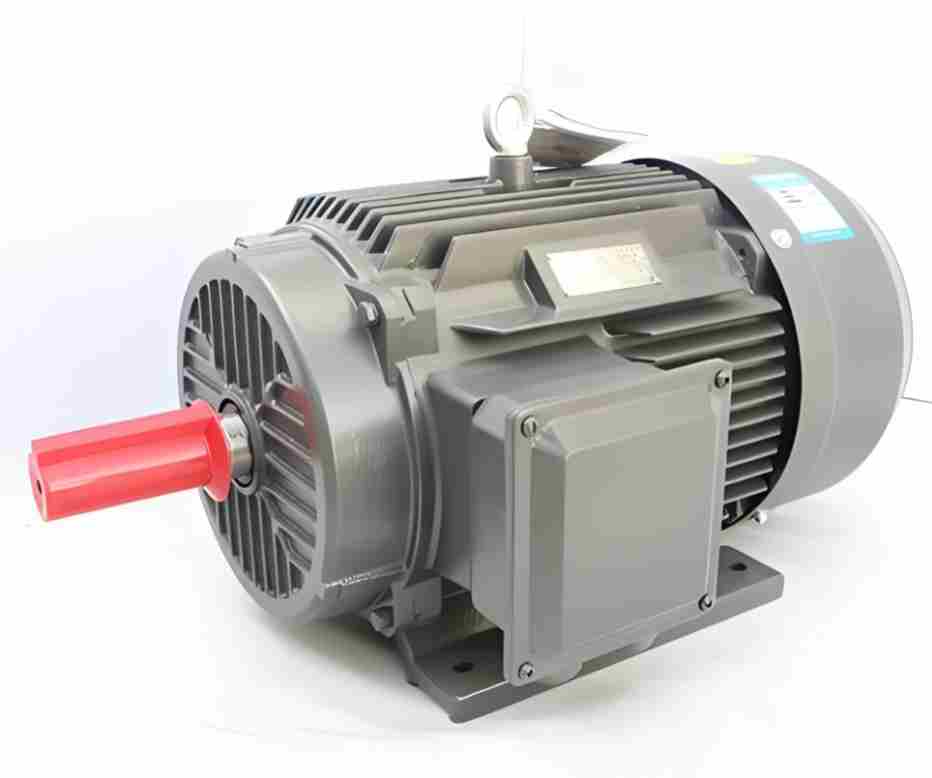
When selecting a Xima high-voltage motor, several parameters must be considered to ensure the motor meets the requirements of a specific application. The following are some key selection parameters: Motor type: Induction motor or synchronous motor; open, enclosed, or explosion-proof. Power rating: Select the appropriate motor power based on the load’s power requirements. Rated voltage and frequency: Select the motor’s rated voltage (e.g., 690 V, 400 V, etc.) and frequency (e.g., 50 Hz
Selecting a Xima ModelHigh voltage motorsWhen selecting a motor, several parameters must be considered to ensure that it meets the requirements of a specific application. The following are some key selection criteria:
-
Motor type:
- Asynchronous motor or synchronous motor
- Open, enclosed, or explosion-proof
-
Power Rating:
- Select a motor with the appropriate power rating based on the load's power requirements.
-
Rated Voltage and Frequency:
- Select the motor's rated voltage (e.g., 690 V, 400 V, etc.) and frequency (e.g., 50 Hz, 60 Hz) based on the power grid conditions.
-
number of revolutions per minute:
- Select different rotational speeds (e.g., 1,500 rpm, 3,000 rpm, etc.) based on application requirements; these are typically related to the power supply frequency and the number of motor poles.
-
Installation:
- Base-mounted, suspended, or flanged—select the type based on the equipment's installation requirements.
-
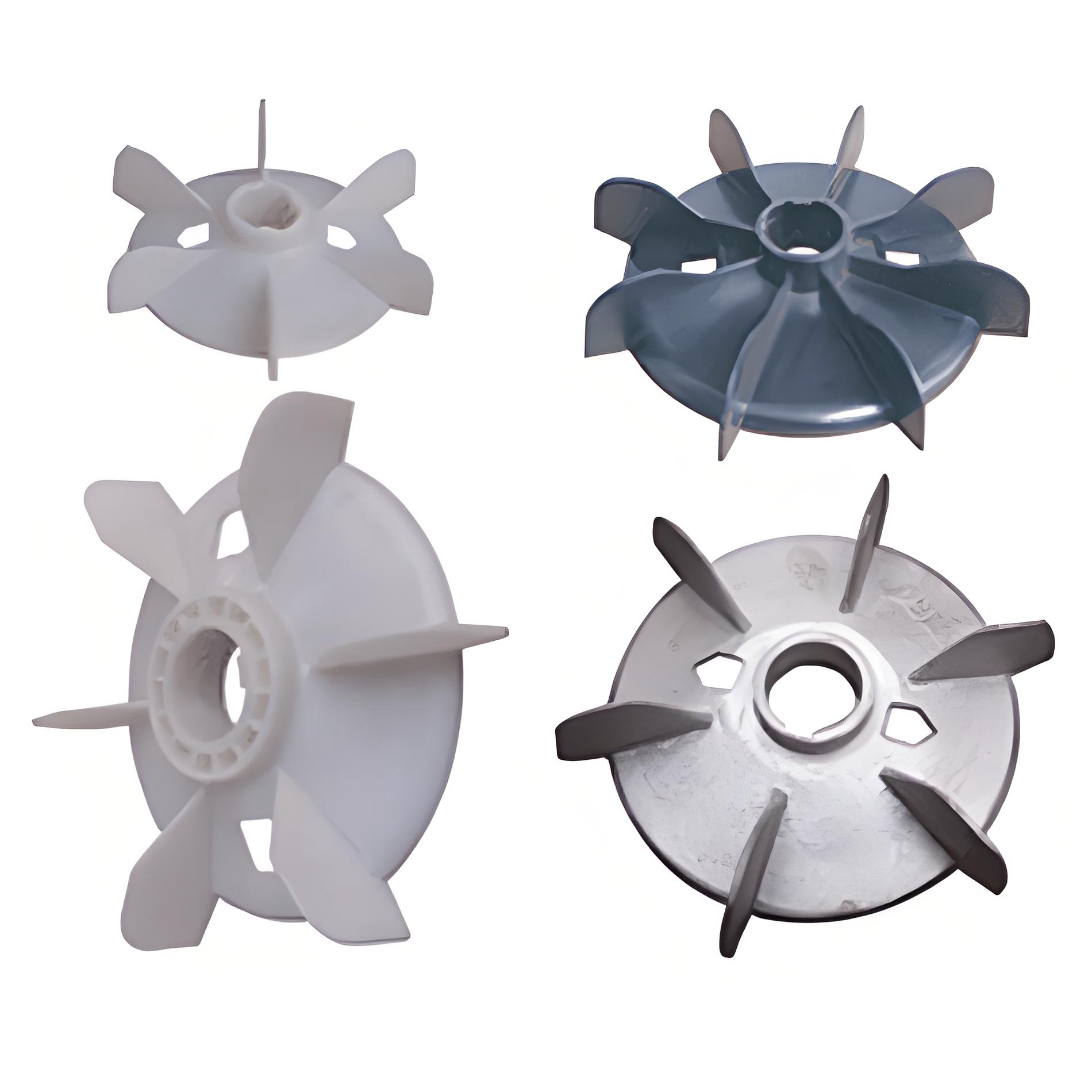
Cooling method:
- Air-cooled, self-cooled, or water-cooled—select based on the operating environment and heat dissipation requirements.
-
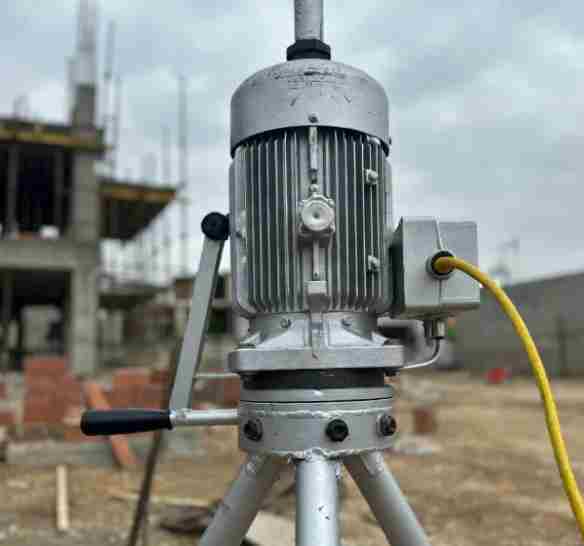
Operating Environment:
- Environmental factors such as temperature, humidity, and the presence of corrosive gases or dust can affect the motor's protection rating (e.g., IP55, IP65, etc.).
-
Starting Method:
- Direct online startup, star-delta startup, or soft startup—select the appropriate method based on the system's startup requirements and power supply conditions.
-
Efficiency Level:
- Select different motor efficiency classes (such as IE3, IE4, etc.) based on energy efficiency requirements to meet energy-saving and emissions-reduction goals.
-
special requirement:
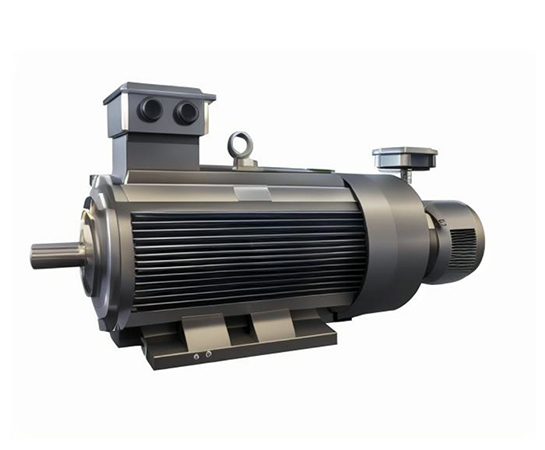
- These include protection, explosion-proofing, and vibration isolation; further selections should be made based on whether there are specific requirements in the application area.
When selecting a high-voltage motor, it is recommended that you consult with a professional motor supplier or engineer to ensure that the selected motor can reliably meet the demands of industrial applications.



 Shaanxi Public Security Bureau No. 41032502000206