

Original Simar Motor End Cap Parts Direct from Manufacturer - In Stock and Ready to Ship
Date: 2025-12-09 Categories: Faq Views: 12735
Excerpt:
Core Component Analysis: How High-Quality Xima Motor End Caps Enhance Equipment Precision Amidst the roar of industrial production, motors are often regarded as the heart of drive equipment, with most maintenance personnel focusing their attention on windings, bearings, or carbon brushes. However, one seemingly unremarkable yet crucial component—the motor end cap—frequently goes overlooked. Serving as the connecting element...
Core Component Analysis: How to Achieve High-QualitySimo motorsPrecision of End Cover Lifting Equipment Operation
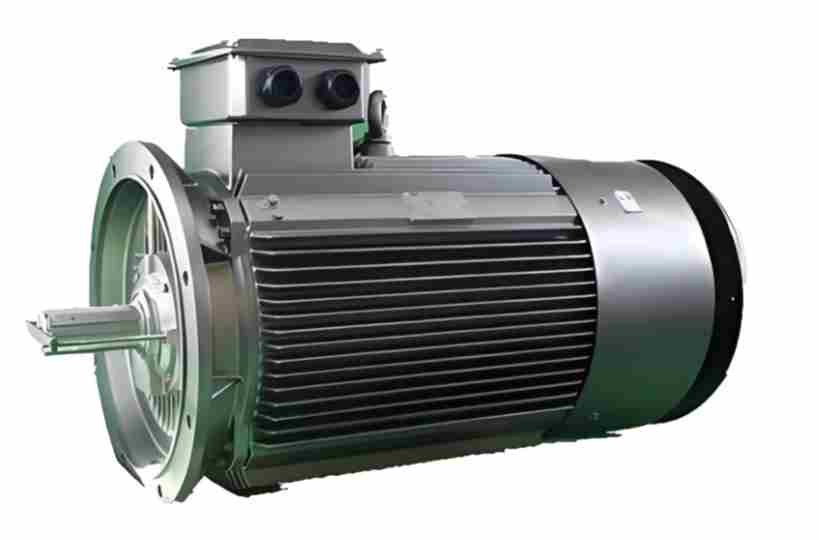
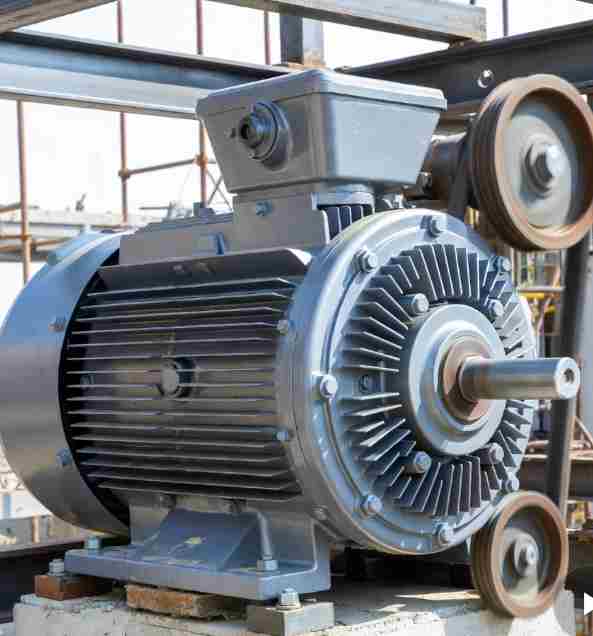
Amid the roar of industrial production, electric motors are often regarded as the heart of drive equipment, with most maintenance personnel focusing their attention on windings, bearings, or carbon brushes. However, there is one seemingly unremarkable yet crucial component that frequently goes overlooked—the stabilizing force that anchors the entire system.Motor End CapAs the critical bridge connecting the stator and rotor,Xima Motor End CoverNot only does it serve as a seal and protective component, but it is also the core mechanical element ensuring the motor's coaxiality and smooth operation. Once the end cover shows signs of wear or precision deviation, even the most expensive bearings cannot perform as intended.
Xima Motor End CoverThe design fully accounts for the fit tolerances with the frame and bearings from the outset. Genuine Xima end covers typically utilize high-strength cast iron materials (such as HT250), subjected to rigorous aging treatment to eliminate internal stresses and prevent deformation after prolonged operation. This manufacturing detail is critical, as the end cover'sBearing housingThe bearing chamber is the critical component that secures the outer ring of the bearing. If dimensional accuracy or cylindricity of the bearing chamber deviates by even micrometers, the motor will generate severe vibration during high-speed rotation—commonly referred to as “sweeping” or “outer-ring runout.”
In actual equipment maintenance cases, failures caused by end caps are commonplace. Let's examine a typical example.Case StudyA JR series machine at a large paper millHigh voltage motorsFrequent bearing overheating alarms occurred during operation, accompanied by abnormal whining noises. The maintenance team initially replaced the imported bearings, but the issue only subsided for a week before recurring.Following an in-depth inspection by Xima Motor's after-sales engineers, it was discovered that prolonged micro-vibration wear had expanded the diameter of the non-load-end bearing housing by 0.05mm. Though imperceptible to the naked eye, this minute clearance caused the bearing outer ring to slip and generate heat during operation. Ultimately, the factory procured OEM-matched bearings.Xima Motor End CoverAfter replacing the rotor and recalibrating its coaxiality, the equipment temperature returned to normal, and vibration levels decreased significantly.
It is evident that selecting and maintaining end caps is far from a simple “put-on-the-cap” task. When procuring replacement parts, one must be vigilant against the prevalence of refurbished or counterfeit components in the market. Substandard end caps often exhibit positioning deviations in machining centers, resulting in misalignment between the end cap flange and the bearing housing. ThisGeometric TolerancesMisalignment will directly cause uneven air gaps in the motor, leading to unilateral magnetic pull and accelerating motor damage.
For experienced motor repair engineers, regular inspectionsXima Motor End CoverThe integrity of the flange face and the fit tightness of the bearing housing are essential requirements. If cracks in the end cover or wear in the bearing housing are discovered during disassembly and repair, avoid resorting to temporary fixes like pitting the surface or shimming with copper sheets. These makeshift solutions will compromise the original fit precision.The correct approach involves laser cladding repair technology or directly replacing the end cover with a new one conforming to original factory specifications. This ensures the motor can regain its factory-level energy efficiency.
![[Keywords]](https://simo.org.cn/wp-content/uploads/2025/11/1763987486-tk22.png "[Keywords]")


 Shaanxi Public Security Bureau No. 41032502000206