

Applications and Development Trends of High-Efficiency, Energy-Saving Variable-Frequency Speed-Control Motors
Date: 2026-08-03 Categories: Industry News Views: 6755
Excerpt:
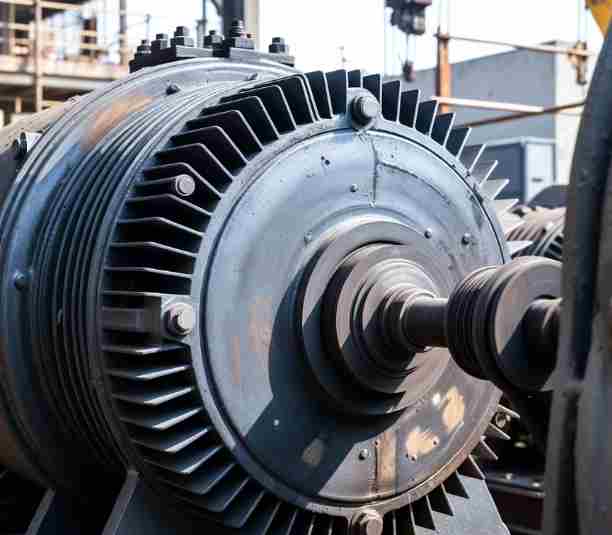
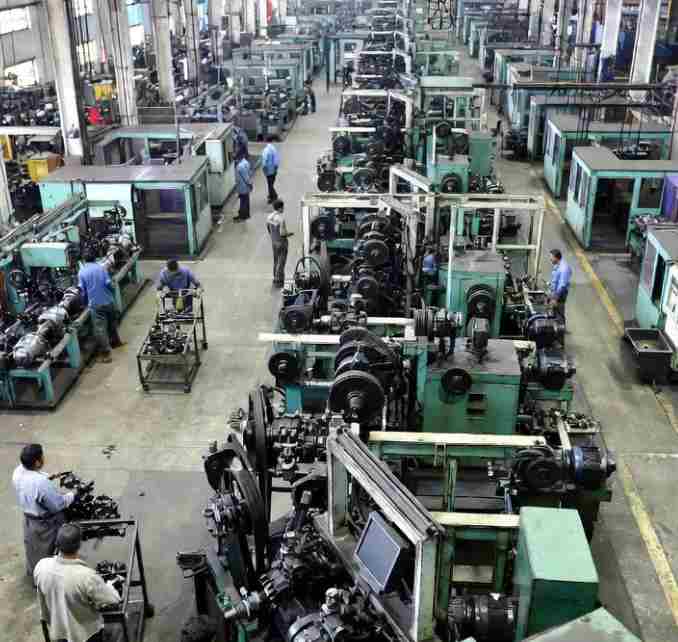
Variable-Frequency Drive Motors: The Key to Industry Transformation Amid the wave of industrial automation and energy conservation and emissions reduction, variable-frequency drive motors are becoming increasingly popular among enterprises. Not only do they improve equipment operational efficiency, but they also reduce energy consumption, making them an indispensable core component in modern manufacturing. This article will delve into the working principles and advantages of variable-frequency drive motors.
Article Catalog[Hidden]
Variable Frequency Drive Motor: The Key to Industry Transformation
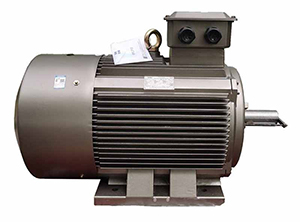
Amid the trend toward industrial automation and energy conservation and emissions reduction,Variable Frequency Drive MotorIt is becoming increasingly popular among businesses. Not only does it improve equipment operational efficiency, but it also reduces energy consumption, making it an indispensable core component in modern manufacturing. This article will take an in-depth look at the operating principles, advantages, and practical performance of variable-frequency speed-controlled motors.
What is a variable-frequency drive motor?
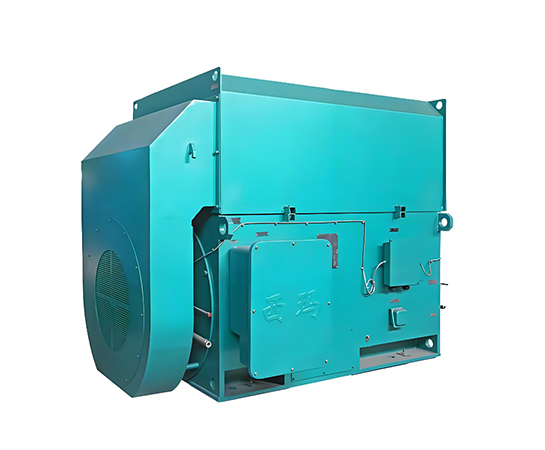
Variable-frequency speed control motors are a technology that regulates motor speed by altering the frequency of the motor’s input power supply. At its core is the variable-frequency drive (VFD), a device that adjusts the output frequency according to load requirements, thereby effectively controlling the motor’s speed. This flexible speed control method enables variable-frequency motors to be used in a wide range of applications, including but not limited to the pump, fan, and compressor industries.
Advantages of Variable-Frequency Drive Motors
-
Energy-saving and highly efficient: Traditional motors typically operate at a fixed speed, resulting in significant energy waste under light loads. In contrast, variable-frequency motors can automatically adjust their speed based on the actual load, significantly reducing energy consumption. According to a survey, after implementing variable-frequency speed control technology,Energy consumption can be reduced by 20%–50%。
-
Extend equipment service life: Smooth speed control reduces mechanical wear and minimizes impact loads on the equipment, which is crucial for extending the service life of the motor and the connected machinery.
-
Flexible operation: Variable-frequency speed-controlled motors can flexibly switch between multiple operating modes to meet diverse production needs. For example, in metalworking, different rotational speeds are required to accommodate various machining processes, so these motors offer relatively high adaptability.
-
Easy to control remotely: Modern variable-frequency speed-control motors often feature intelligent control functions, allowing companies to monitor and manage them remotely via the internet, thereby improving production efficiency.
Practical case studies
At a large water treatment plant, the traditional pump station system resulted in high electricity costs due to frequent starts and stops. After introducing variable-frequency drive (VFD) motors, management was able to dynamically optimize water flow based on demand by adjusting the pumps’ speed. This not only improved water treatment capacity but also successfully reduced electricity costs by nearly 30%. This example fully demonstrates the dual advantages of variable-frequency motors in terms of energy savings and efficiency improvements.
In addition, in the fan industry, a certain manufacturer successfully reduced system operating noise by replacing traditional motors with variable-frequency speed-control motors, while also lowering equipment failure rates and improving production stability.
Common Types of Variable-Frequency Drive Motors
There are several main types of variable-frequency speed-controlled motors:
![[Keywords]](https://simo.org.cn/wp-content/uploads/2023/08/1764154570-36173716.jpg "[Keywords]")
-
BrushlessDC motor: The brushless design reduces mechanical wear and noise, making it ideal for applications that require high precision.
-
AC Induction Motor: The most common type, offering good load adaptability and a high cost-performance ratio, it is widely used in industrial manufacturing.
-
stepper motor: Known for its high precision, it is suitable for applications requiring accurate positioning and is commonly found in automated systems.
reach a verdict
As energy conservation and environmental protection requirements continue to increase,Variable Frequency Drive MotorMarket demand is also growing steadily. In the future of industrial development, this type of motor will undoubtedly play an increasingly important role. From reducing energy consumption to improving equipment stability, variable-frequency motors are driving various industries toward a more efficient and sustainable path of development. For businesses, selecting variable-frequency motors is not only a choice for technological advancement but also an important means of fulfilling corporate social responsibility.


 Shaanxi Public Security Bureau No. 41032502000206