


Analysis of the Applications and Advantages of Variable-Frequency Motors in Industrial Automation
Date: 2026-06-29 Categories: Industry News Views: 6906
Excerpt:
Variable-Frequency Motors: The Future Trend in Energy-Efficient Management In modern industry and daily life, variable-frequency motors have become a key technology for improving energy efficiency. In recent years, with the rise of smart manufacturing and sustainable development, the range of applications for variable-frequency motors has continued to expand, and the economic and environmental benefits they bring have become increasingly significant. This article will explore...
Article Catalog[Hidden]
Variable Frequency Motor: Future Trends in Efficient Energy Management
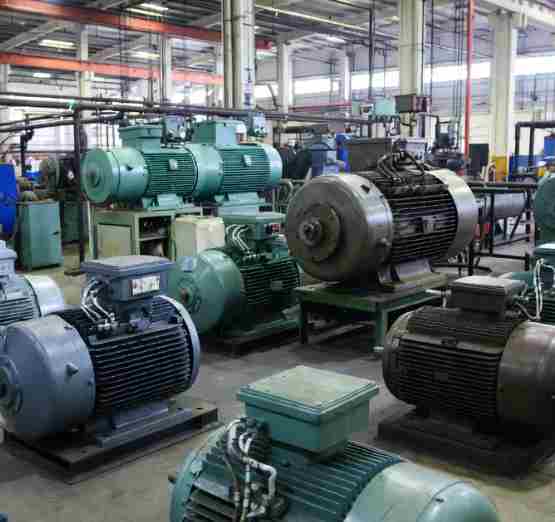
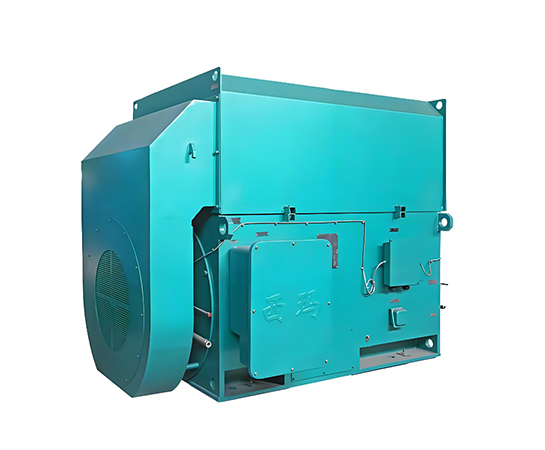
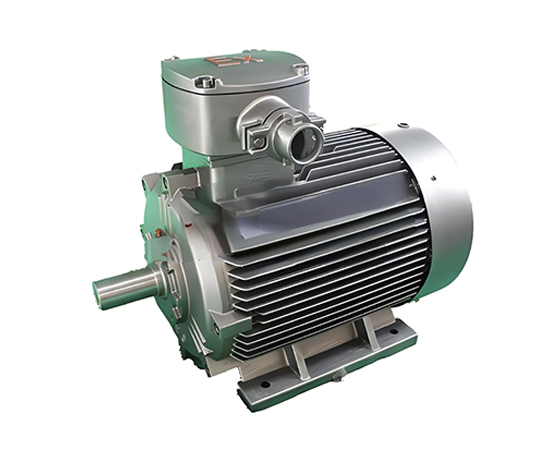
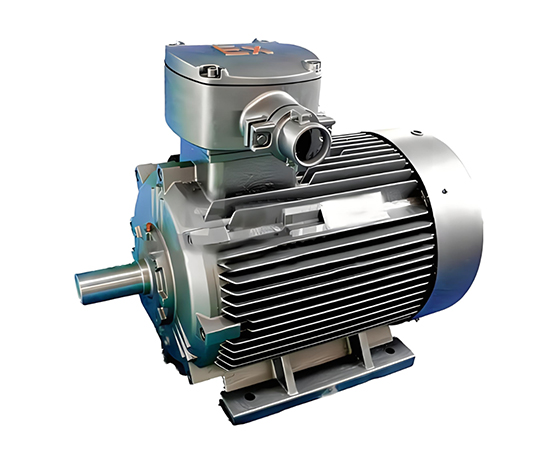
In modern industry and everyday life,Variable Frequency MotorIt has become a key technology for improving energy efficiency. In recent years, with the rise of smart manufacturing and sustainable development, the range of applications for variable-frequency motors has continued to expand, and the economic and environmental benefits they bring have become increasingly significant. This article will explore the basic principles of variable-frequency motors, their application advantages, and future development trends.
Principles and Construction of Variable-Frequency Motors
A variable-frequency motor uses a variable-frequency drive to control the motor's operating frequency and speed, thereby enabling precise regulation of the motor's power output. Compared to traditional motors, variable-frequency motors are capable of maintaining high efficiency under varying load conditions. Their primary components include the motor, the variable-frequency drive, and the control system, with the variable-frequency drive serving as the core component responsible for converting the utility grid’s power—supplied at the standard frequency—into power with adjustable frequency and amplitude.
Application Advantages
-
Energy Conservation and Emission Reduction: Variable-frequency motors can adjust their operating speed based on actual load requirements, thereby preventing energy waste. According to research data, compared to traditional motors, variable-frequency motors can reduce energy consumption by 30% to 60%. For example, in certain water pump and fan systems, the use of variable-frequency motors can effectively reduce overall energy consumption and minimize environmental impact.
-
Extend equipment service life: Since variable-frequency motors reduce start-up shocks and load fluctuations during operation, the overall wear and tear on the equipment is significantly reduced. This means that equipment maintenance and replacement will be less frequent, resulting in greater economic benefits.
-
Intelligent Control: With advances in technology, variable-frequency motors are being equipped with an increasing number of intelligent control features. Through Internet of Things (IoT) technology, users can monitor the motor’s operating status in real time and make remote adjustments, thereby enabling more precise management. Many manufacturing companies have already begun adopting this technology to improve production efficiency and resource utilization.
![[Keywords]](https://simo.org.cn/wp-content/uploads/2025/11/1763984449-89797-scaled.png "[Keywords]")
Case Study
At a major pharmaceutical company, traditional fixed-speed motors were previously used for production. However, as production volumes increased and energy-saving and environmental requirements became more stringent, the company decided to switch to variable-frequency motors. In the first year following the upgrade, production efficiency improved by 20%, while electricity consumption decreased by 40%. This success story fully demonstrates the tremendous potential of variable-frequency motors in practical applications.
Future Development Trends
In the future, variable-frequency motors will be widely adopted in an increasing number of fields. As smart manufacturing continues to advance, the trend toward intelligent and networked variable-frequency motors will become increasingly pronounced. This will not only enhance the flexibility and adaptability of production lines but also drive technological innovation and sustainable development across the entire industry. Furthermore, as environmental regulations become increasingly stringent, the use of variable-frequency motors will help companies better comply with regulatory requirements.
Overall.Variable Frequency MotorAs a highly efficient and environmentally friendly power solution, its importance will continue to grow in future factory construction and equipment upgrades. With technological advancements and market changes, the use of variable-frequency motors will expand into more industries, thereby driving society as a whole toward greater efficiency and environmental sustainability.


 Shaanxi Public Security Bureau No. 41032502000206