


Analysis of the advantages of energy-efficient variable frequency speed motors in industrial applications
Date: 2026-05-22 Categories: Industry News Views: 11426
Excerpt:
Frequency-controlled motors: the ideal choice for high performance and energy savings In today's industrial world, the choice and application of motors has always been key. Among them, frequency-controlled motors are gradually becoming the first choice for major production lines due to their excellent performance and high efficiency. In this article, we will discuss the working principle, advantages and practical application cases of frequency control motor to help you better understand the value of this technology. The working principle of frequency conversion speed control motor Frequency conversion speed control motor is mainly through the change of
Article Catalog[Hidden]
Variable Frequency Drive Motor: The Ideal Choice for High Performance and Energy Efficiency
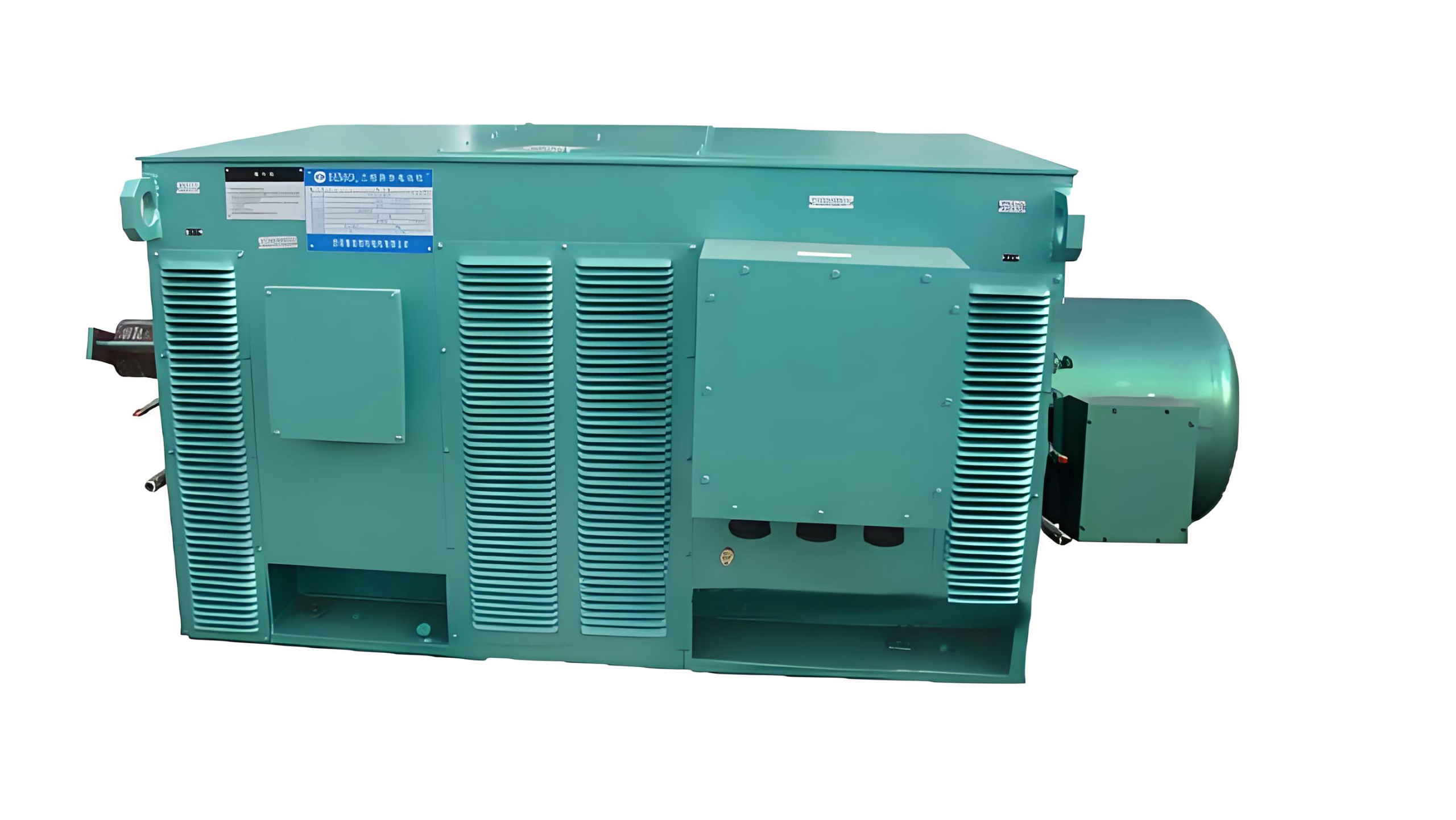
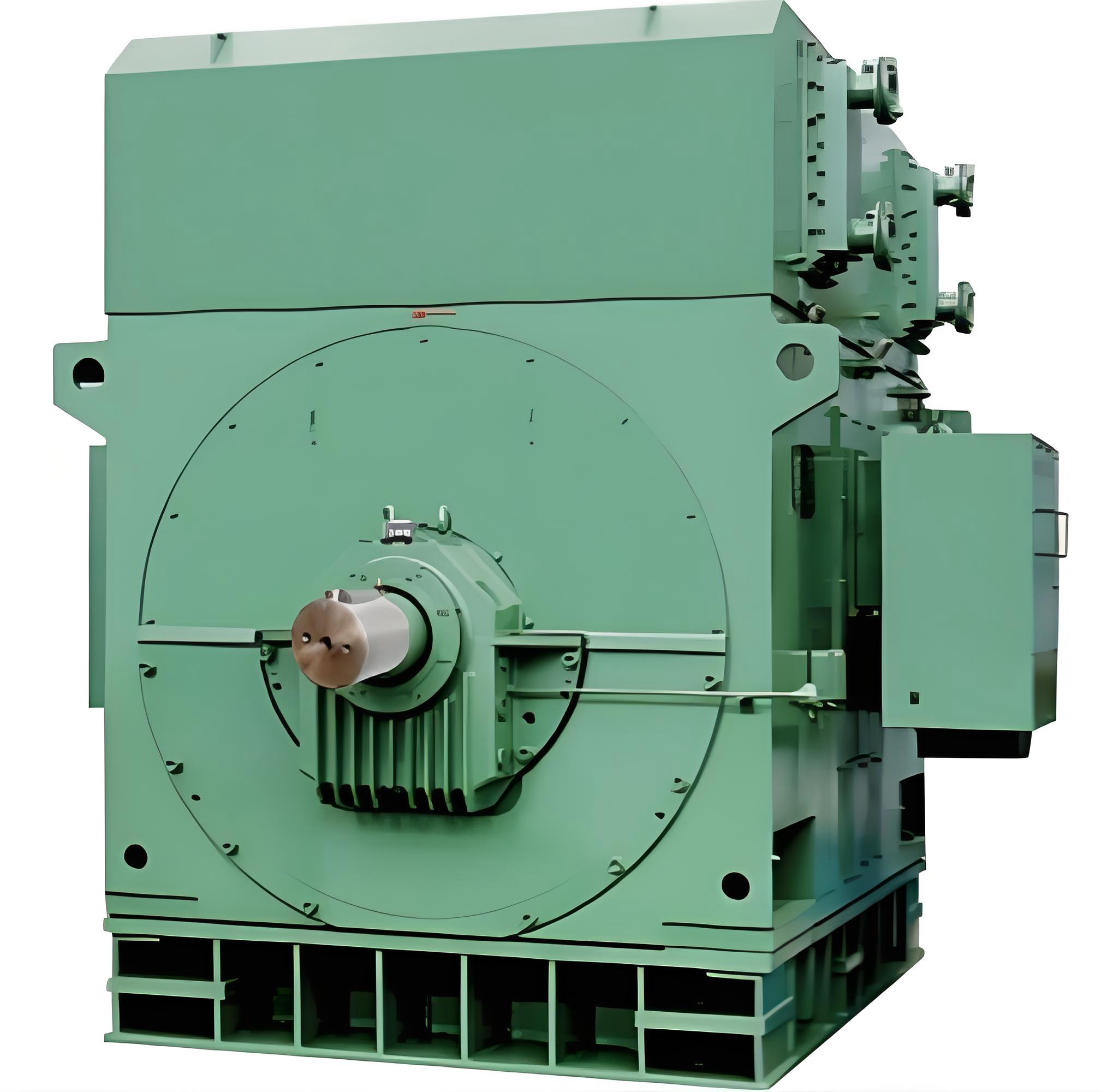
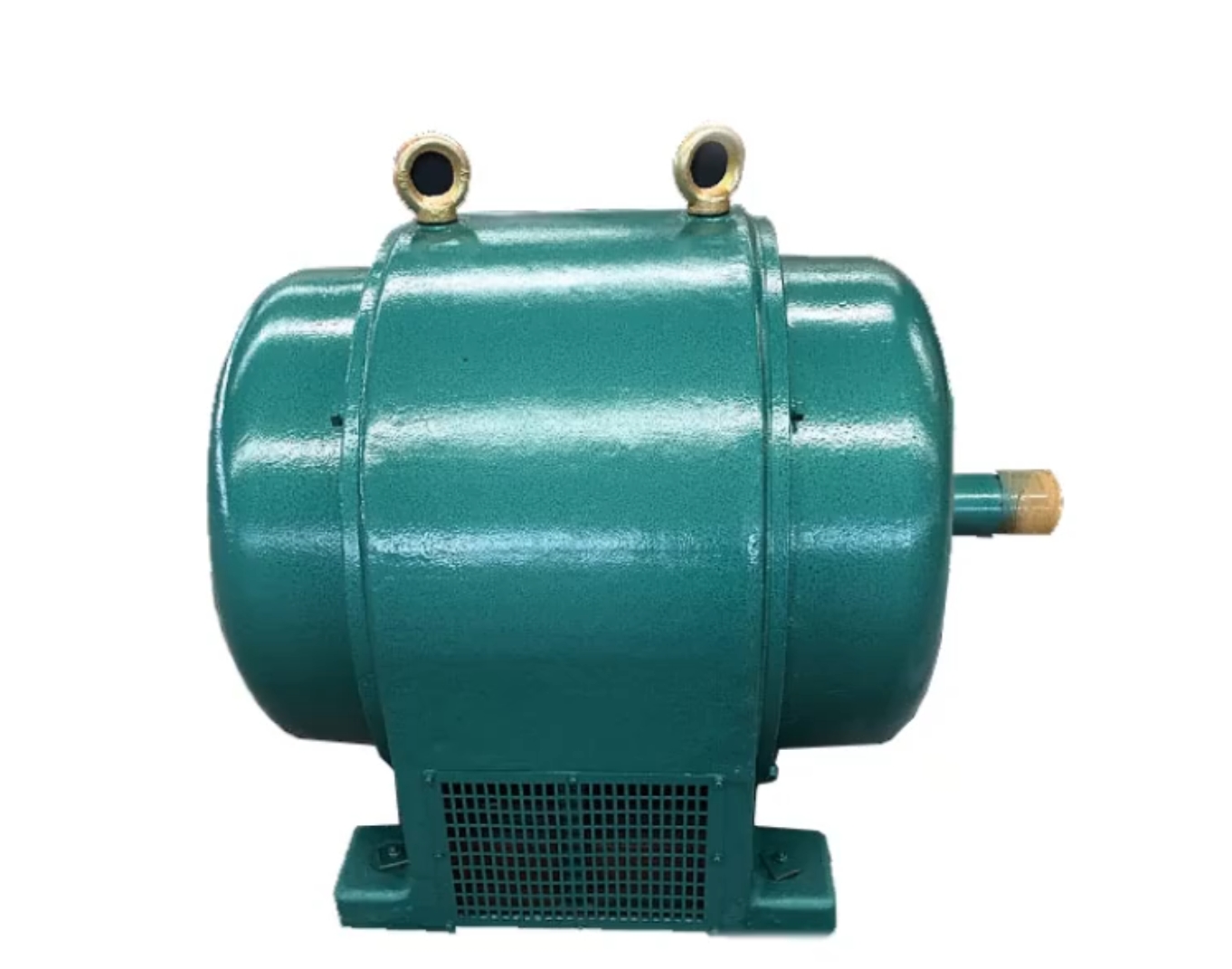
In today's industrial sector, the selection and application of electric motors have always been critical. Among these,Variable Frequency Drive MotorThanks to their outstanding performance and high efficiency, they are gradually becoming the preferred choice for major production lines. This article will take an in-depth look at the operating principles, advantages, and real-world application examples of variable-frequency speed-controlled motors to help you better understand the value of this technology.
How Variable-Frequency Drive Motors Work
Variable-frequency motors primarily control motor speed by altering the power supply frequency. When the supply frequency changes, the motor speed changes accordingly. This method of speed control relies on an inverter to convert fixed-frequency AC power into AC power with an adjustable frequency, thereby enabling precise control of the motor’s speed. Compared to traditional motors, variable-frequency motors offer significant improvements in speed control range, energy efficiency, and system stability.
Key Advantages of Variable-Frequency Speed-Control Motors
-
Energy-saving effects are significant: In practical applications, variable-frequency motors can effectively reduce electricity consumption compared to traditional motors. According to survey data, they can save 30% to 50% of electricity in certain situations and are particularly suitable for applications with frequent load changes, such as fans and pumps.
-
High operational flexibility: By adjusting the variable-frequency drive, the motor can achieve a smooth transition from a standstill to high speed, significantly reducing mechanical shock. At the same time, variable-frequency speed-controlled motors can adapt to a wide range of operating requirements and meet various process conditions.
-
Extend equipment service life: Since variable-frequency motors reduce shock loads during startup and operation, they can effectively minimize wear on mechanical components and extend the service life of the equipment.
-
More precise temperature control: In certain manufacturing processes that require precise temperature control, variable-frequency motors, when used in conjunction with temperature control systems, can achieve higher control accuracy and improve product quality.
Analysis of Practical Application Cases
Take a certain petrochemical enterprise as an example: the company’s existing conventional motors frequently encountered issues with power waste and equipment wear and tear when operating large pumps. After introducing variable-frequency speed-controlled motors, the enterprise reduced energy consumption by 40% under varying load conditions, and the frequency of equipment maintenance decreased by 30%. Furthermore, the factory acceptance rate of products improved by 15%. This demonstrates that, in industrial applications, variable-frequency motors not only improve energy efficiency but also enhance production efficiency.
Future trends
With the advancement of smart manufacturing and automation, the application prospects for variable-frequency motors are becoming increasingly broad. Against the backdrop of efforts to improve production efficiency and reduce carbon footprints, more and more companies are beginning to consider adopting variable-frequency speed control technology. At the same time, as technology continues to advance, variable-frequency speed-control motors will evolve toward greater intelligence and convenience, gradually becoming one of the core technologies in the field of modern motor control.
In summary, as an indispensable part of modern industry,Variable Frequency Drive MotorThanks to their energy-saving, high-efficiency, and flexible characteristics, they are redefining the way industrial equipment operates. Whether in traditional industries or emerging sectors, variable-frequency motors are leading an energy efficiency revolution.



 Shaanxi Public Security Bureau No. 41032502000206