

DC motor working principle and application prospect analysis
Date: 2026-04-17 Categories: Company News Views: 9666
Excerpt:
DC motors: the core power of electric driveDriven by modern technology, DC motors have become an indispensable part of many electric devices and automation systems due to their unique advantages. Since they were first put into use at the end of the 19th century, DC motors have gone through a number of technological innovations and have been gradually applied to industrial and household appliances as well as all kinds of electric vehicles. In this paper, we will discuss in depth the working principle and classification of DC motors, as well as their application in practice.
Article Catalog[Hidden]
DC motor: The Core of Electric Propulsion
Driven by modern technology,DC motorThanks to its unique advantages, it has become an indispensable component in numerous electric devices and automated systems. Since it was first put into use in the late 19th century, the DC motor has undergone numerous technological innovations and has gradually found applications in industry, household appliances, and various types of electric vehicles. This article will take an in-depth look at the working principles and classifications of DC motors, as well as their importance in practical applications.
How DC Motors Work
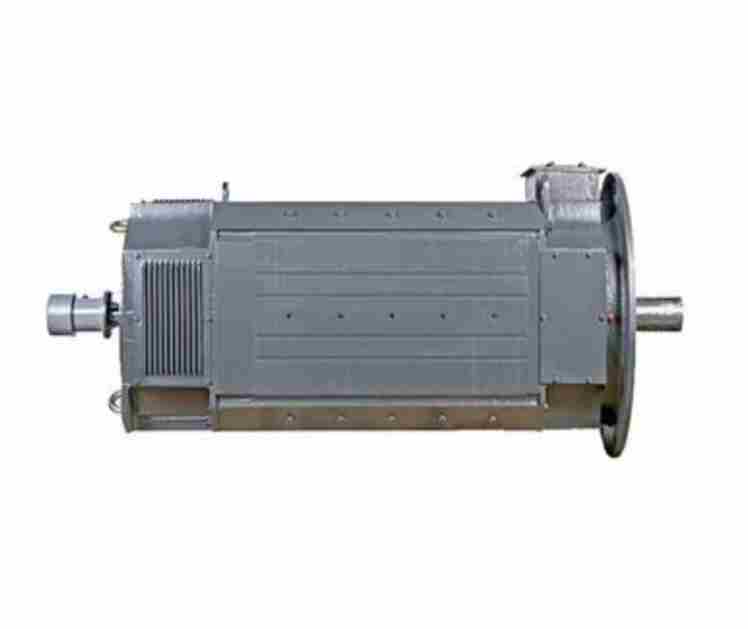
The basic principle of a DC motor is based on electromagnetic induction and the magnetic field generated when current flows through a conductor. When current flows through the motor’s stator and rotor, the current inside the rotor generates a magnetic field that interacts with the magnetic field generated by the stator, causing the rotor to rotate.The interaction of these magnetic fieldsThis is the fundamental reason why DC motors can operate with high efficiency.
Classification of DC Motors
DC motors are primarily classified into the following three categories based on their structure and operating principles:
-
Brushed DC motor: This type of motor uses carbon brushes to conduct electricity to the rotor. It offers advantages such as a simple design and low cost, and is widely used in power tools, toys, and other applications.
-
Brushless DC motor: Brushless motors eliminate the need for carbon brushes and use electronic control, offering higher efficiency and a longer service life. They are commonly used in high-demand applications such as drones and fans.
-
Series-Wound and Shunt-Wound Motors: Depending on how the field winding is connected to the armature winding, DC motors can be classified as series-wound or shunt-wound motors. Series-wound motors have high starting torque and are commonly used in electric locomotives, while shunt-wound motors offer good speed control and are often used in electric vehicles.
The Importance of DC Motors in Practical Applications
DC motors are widely used because their speed and direction are easy to control. In automated production equipment such as mechanical person In this context, DC motors are commonly used to drive joints and actuators, providing precise and flexible motion control. In new energy vehicles, DC motors are widely used in drive systems; their high efficiency and low noise levels enhance vehicle performance and comfort.
Case Study: Electric Drones
Take electric drones as an example: they typically use brushless DC motors. The high power output and relatively light weight of these motors give drones better stability and longer flight endurance. For instance, in the design of certain high-performance drones, the rotational speed and torque of DC motors can adapt to a variety of flight environments, thereby improving their operational efficiency in areas such as cargo transport and aerial photography.
concluding remarks
The key features of DC motors lie in their simplicity of operation and flexibility of control, making them a mainstay in modern technology and industry. With continuous technological advancements, the applications of DC motors will continue to expand, bringing convenience and innovation to more industries.


 Shaanxi Public Security Bureau No. 41032502000206