



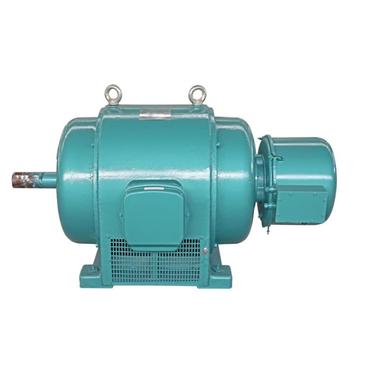
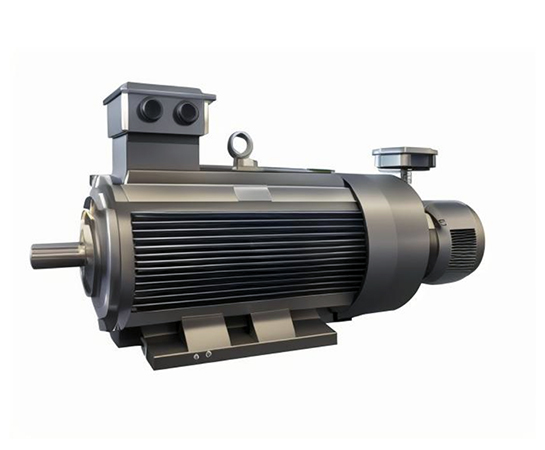
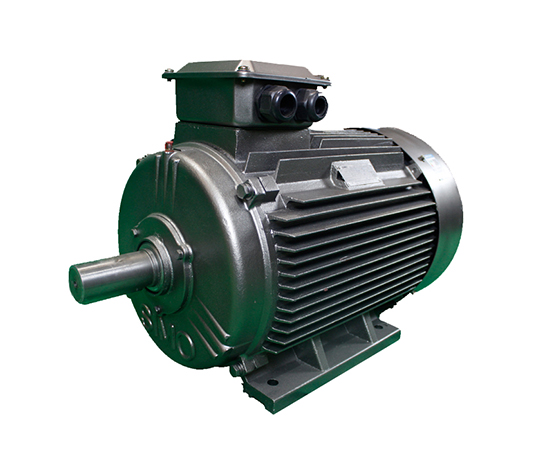
Driven by Innovation: Application and Development of High Efficiency Motors in Intelligent Manufacturing
Date: 2026-04-08 Categories: Faq Views: 5325
Excerpt:
High-efficiency motors: the power engine that drives modern industry With the global demand for energy conservation, emission reduction and sustainable development, high-efficiency motors are increasingly becoming the focus of attention in various industries. Such motors not only improve the efficiency of energy use, but also reduce environmental pollution, and become indispensable for modern industry and home appliances.
Article Catalog[Hidden]
High efficiency motors: The Driving Force Behind Modern Industry
As global demands for energy conservation, emissions reduction, and sustainable development continue to rise,High efficiency motorsThey are increasingly becoming the focus of attention across various industries. These motors not only improve energy efficiency but also reduce environmental pollution, making them an indispensable power source in modern industry and household appliances. This article will take an in-depth look at the operating principles, application areas, and advantages of high-efficiency motors, allowing us to gain insight into the future development of this technology.
How High-Efficiency Motors Work
High-efficiency motors, thanks to their superior design and materials, significantly reduce energy loss during the conversion of electrical energy into mechanical energy. The key lies inOptimizing the Electromagnetic Design of Motors, using highly conductive materials while reducing internal friction and temperature rise within the motor. These motors typically employ more advanced insulation materials and efficient winding structures, enabling them to maintain lower heat generation and energy consumption during operation. For example, the efficiency of certain high-efficiency motors can reach95% and above, compared to traditional motors, it consumes less electricity under the same load.
Application Areas
High-efficiency motors have a wide range of applications across multiple industries, including but not limited to:
- Manufacturing: In industrial machinery, equipment such as air compressors, pumps, and fans commonly use high-efficiency motors to improve productivity and reduce operating costs.
- Home Appliance Industry: High-efficiency motors are now widely used in home appliances such as washing machines and refrigerators, which not only reduce energy consumption but also enhance the user experience.
- Transportation: High-efficiency motors are increasingly being used in electric vehicle powertrains, reducing reliance on traditional fuels and driving the development of green transportation.
![[Keywords]](https://simo.org.cn/wp-content/uploads/2023/08/1764153637-73437.jpg "[Keywords]")
Advantages of High-Efficiency Motors
Significant Energy Savings: According to research, using high-efficiency motors can save approximately 20% to 30% of electricity compared to traditional motors. This not only reduces a company’s operating costs but also helps protect the environment.
Extend equipment lifespan: Since high-efficiency motors generate less heat during operation, they can effectively reduce equipment wear and tear and extend the service life of mechanical equipment.
Reduce maintenance costs: The design of high-efficiency motors ensures smoother operation and reduces the failure rate. This allows companies to save more on equipment maintenance and staffing costs.
Case Study
Take a certain automobile manufacturing plant as an example. When renovating its production line, the plant decided to completely replace traditional motors with high-efficiency motors. After more than a year of operation, data shows that the entire production line’s electricity consumption decreased by approximately 25%, and repair and maintenance expenses were reduced by 35% due to a significant drop in equipment failure rates. This case not only generated economic benefits for the company but also enhanced its environmental reputation.
future development
As the trends toward intelligence and automation continue to develop, high-efficiency motors of the future will increasingly move toward greater intelligence. Through integration with Internet of Things (IoT) technology, these motors will be capable of remote monitoring and management, further optimizing energy consumption and achieving even greater energy savings.
High-efficiency motors are penetrating various industries at an unprecedented rate, and their enormous energy-saving potential and environmental benefits will undoubtedly provide strong support for future sustainable development. Companies that quickly adopt this technology will undoubtedly gain a competitive edge.


 Shaanxi Public Security Bureau No. 41032502000206