



High-voltage motor technical parameters detailed sigma motor professional guide
Date: 2026-03-04 Categories: Industry News Views: 7177
Excerpt:
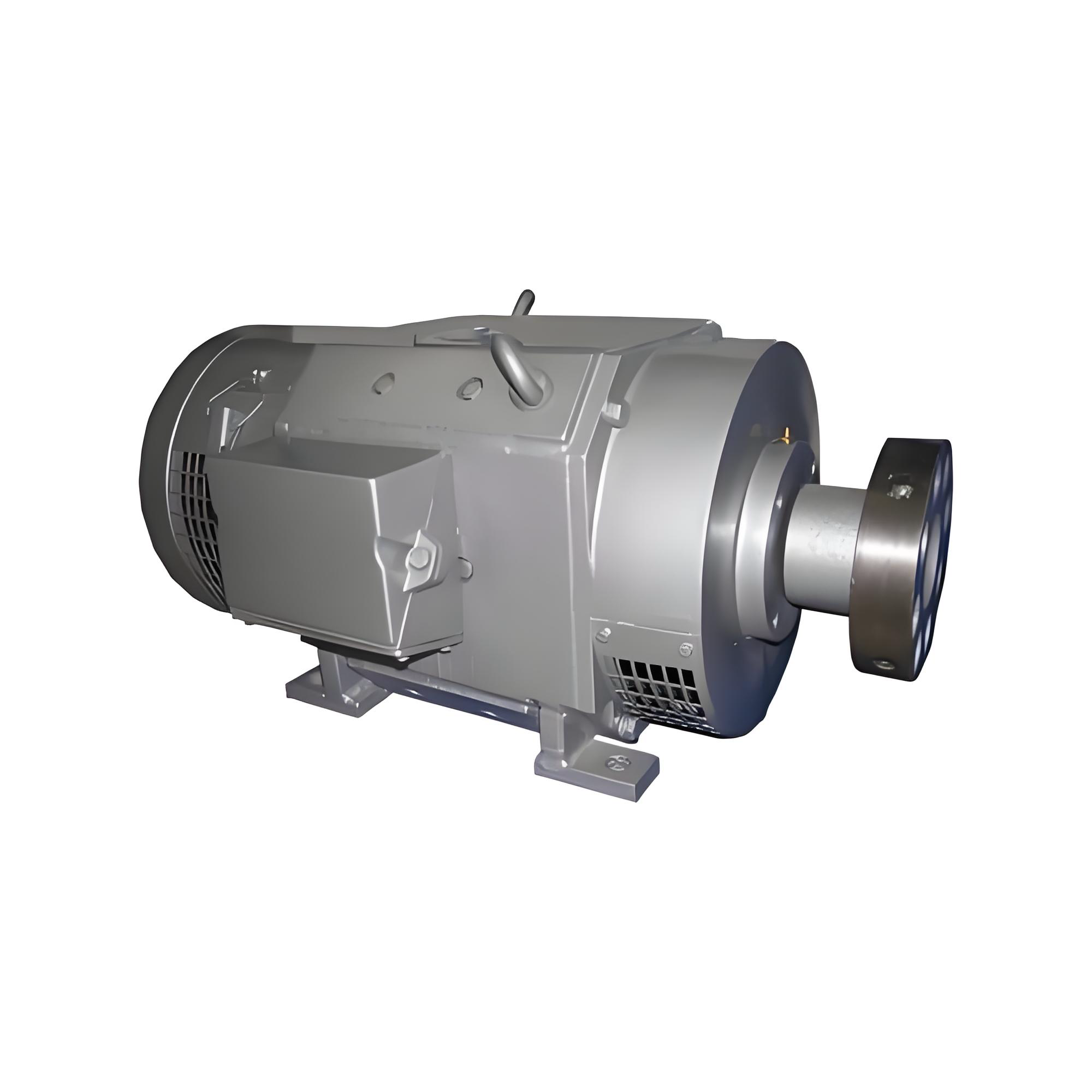
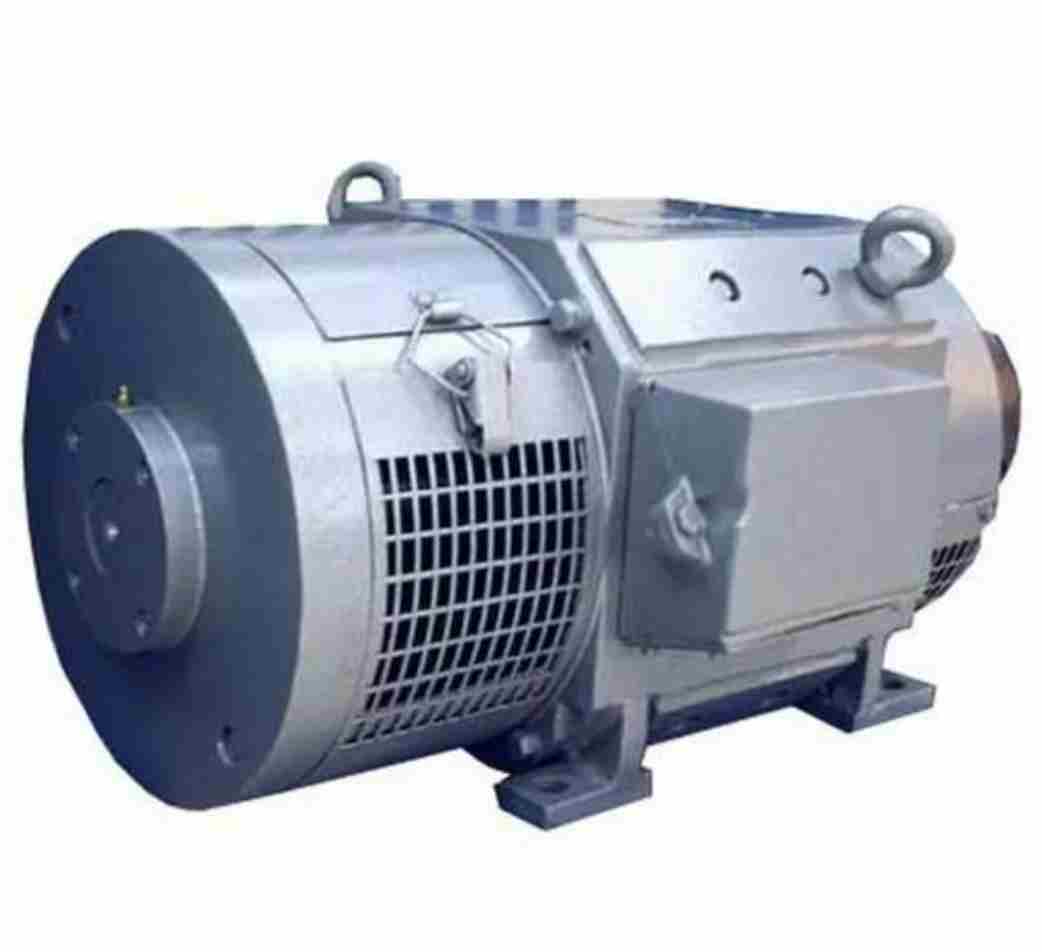
High-voltage motor is a kind of important equipment widely used in industrial fields, and its technical parameters directly affect the performance and application effect of the motor. Under the professional guidance of Sigma Motors, the following technical parameters of high-voltage motors are explained in detail: 1. Rated Power (Rated Power) The rated power of high-voltage motors is usually measured in kilowatts (kW) or horsepower (HP). It indicates that the motor under normal operating conditions can raise
Article Catalog[Hidden]
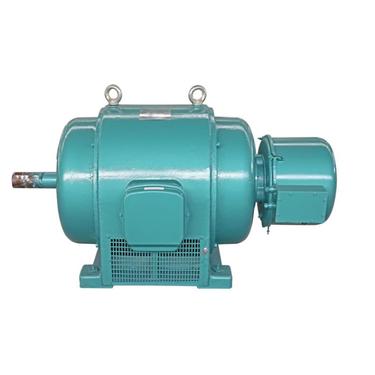
High voltage motorsIt is an important piece of equipment widely used in the industrial sector, and its technical specifications directly affect the motor’s performance and operational effectiveness. InSimo motorsUnder professional guidance, here is a detailed explanation of the technical specifications for high-voltage motors:
1. Rated Power
The rated power of a high-voltage motor is typically measured in kilowatts (kW) or horsepower (HP). It represents the maximum power the motor can deliver under normal operating conditions.
2. Rated Voltage
The rated voltage of a motor is the voltage level at which the motor operates at its rated power; common values include 3 kV, 6 kV, and 10 kV. The operating voltage of high-voltage motors is typically higher than 1,000 volts.
3. Rated Frequency
The rated frequency refers to the frequency at which a motor operates at its rated voltage; it is typically 50 Hz or 60 Hz, depending on the power grid standard.
4. Efficiency
The efficiency of a motor is defined as the ratio of input electrical energy to output mechanical energy, and is typically expressed as a percentage. High efficiency means lower energy loss, which improves economic performance.
5. Power Factor
Power factor is the ratio of active power to apparent power and is typically expressed as “cos φ.” It reflects the efficiency with which a motor utilizes power during operation, and typical values range from 0.8 to 1.0.
6. Speed
The speed of a motor is typically expressed in revolutions per minute (RPM). The speed of a high-voltage motor may be 750, 1000, 1500, 3000, etc., depending on the design and application.
7. Insulation Class
The insulation class refers to the ability of the insulation materials used in motor windings to withstand high temperatures. Common insulation classes include Class B, Class F, and Class H. The higher the class, the longer the motor’s service life and the greater its reliability.
8. Protection Class
The protection rating is typically denoted by IP (Ingress Protection) and refers to a motor’s ability to protect against foreign objects and moisture. For example, IP55 indicates protection against dust and resistance to low-pressure water jets.
9. Rotation
Motors can be single-phase or three-phase; three-phase motors are more common, especially in high-voltage applications. The direction of rotation (clockwise or counterclockwise) is also an important parameter.
10. Housing Material and Cooling Type
The housing of high-voltage motors is typically made of cast iron or aluminum alloy, which offer good strength and heat dissipation properties. Cooling methods may include open cooling, natural cooling, or forced cooling.
reach a verdict
When selecting a high-voltage motor, it is crucial to understand its technical specifications, as this affects not only the motor’s performance but also its safety and cost-effectiveness. As a professional manufacturer in the industry, Xima Motors provides comprehensive technical support and sound selection recommendations to meet the diverse needs of its customers.
For additional technical support or specific product information, we recommend contacting the professional team at Xima Motors directly.



 Shaanxi Public Security Bureau No. 41032502000206