

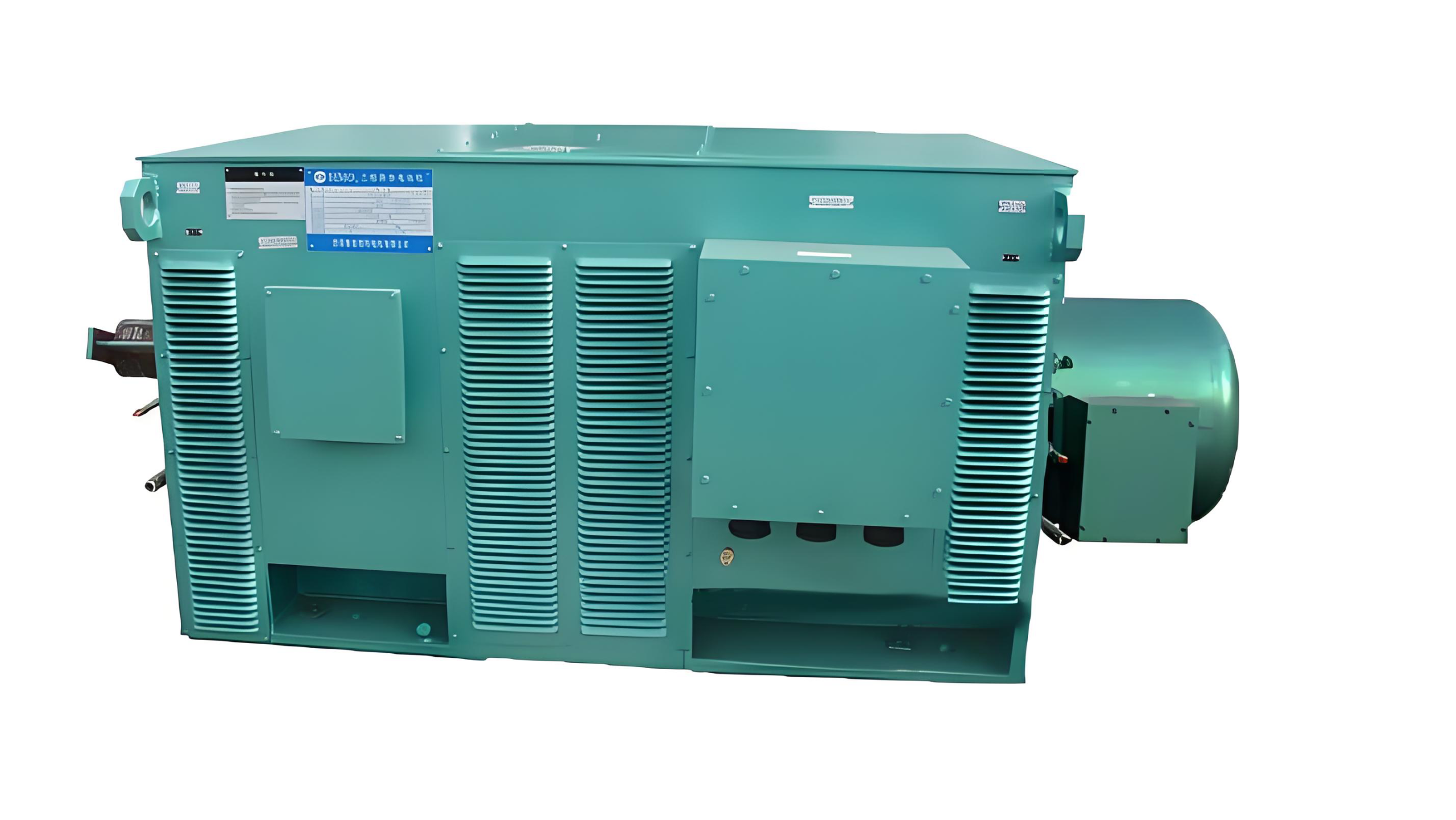

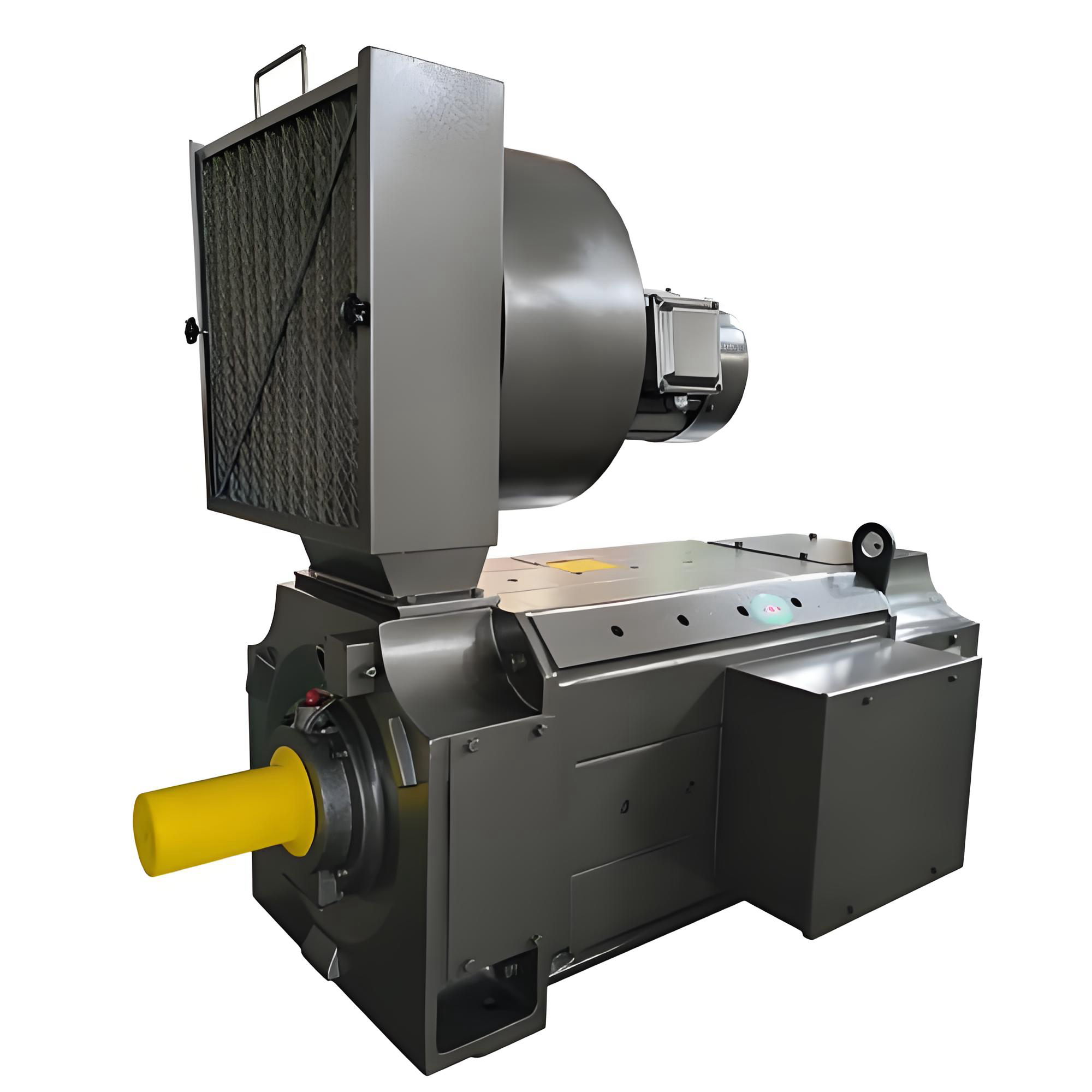
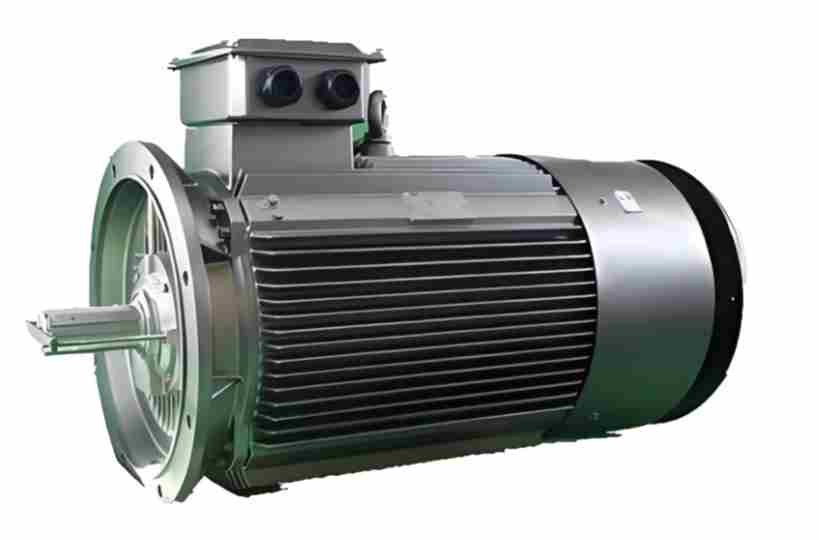
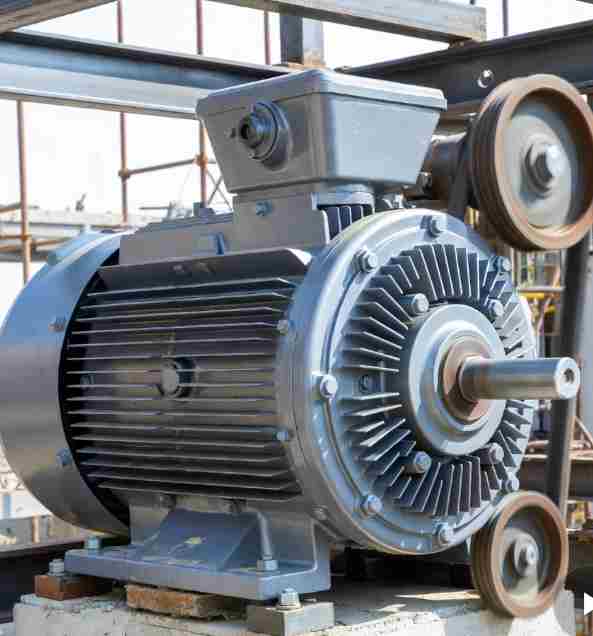

High-Performance Industrial-Grade High-Power Motors: Powerful Drive for Smart Manufacturing Upgrades
Date: 2025-12-08 Categories: Company News Views: 14710
Excerpt:
Powering the Industrial Behemoth: How to Precisely Select and Optimize High-Power Motors Within the vast landscape of modern heavy industry, colossal machinery stands like steel behemoths. The “heart” that breathes life into these giants is the high-power motor. From deep-underground mine ventilation systems to urban water pumping stations operating day and night, and on to intricate chemical compressor units, these motors shoulder the critical responsibility of driving industrial processes.
Article Catalog[Hidden]
Powering Industrial Giants: How to Precisely Select and Optimize High-Power Motors
Within the vast landscape of modern heavy industry, colossal machinery stands like steel behemoths, and the “heart” that breathes life into these giants is preciselyHigh-power motorFrom deep underground mine ventilation systems to urban water pumping stations operating day and night, and even intricate chemical compressor units, these motors shoulder the critical responsibility of keeping core production lines running. Yet, faced with a bewildering array of specifications and inconsistent energy efficiency standards in the market, how can enterprises ensure reliable power while simultaneously reducing costs and boosting efficiency? This is not merely a technical challenge—it is a crucial economic calculation.
![[Keywords]](https://simo.org.cn/wp-content/uploads/2025/11/1763978462-986633.png "[Keywords]")
Core Definitions and Application Scenarios Explained
Typically, motors with rated power exceeding several hundred kilowatts or even reaching the megawatt level are collectively referred to asHigh-power motorUnlike conventional motors, they often utilize high-voltage power supplies (such as 6kV or 10kV) to reduce current losses.
In practical applications, the reliability of such equipment directly determines the stability of production lines. For instance, in the drive systems of ball mills within the cement manufacturing industry, motors must deliver exceptionally high starting torque to overcome significant inertia. Conversely, in the induced draft fan systems of large thermal power plants, the continuous operational capability of motors is critical to the safety of the entire power grid. Therefore, understanding the load characteristics of the application scenario is the first step in selecting the appropriate motor.
Key Considerations for Model Selection: Don't Just Look at Power
Many procurement personnel tend to fall into a common misconception: believing that simply having sufficient power output will meet requirements. In reality,High-power motorThe selection of models is a precise science.
- Load MatchingThe motor must be selected based on the torque-speed characteristic curve of the driven equipment. For variable-torque loads such as fans and pumps, the motor must maintain stable performance at low speeds. For constant-torque loads like crushers, the motor's overload capacity must be prioritized.
- Insulation and Heat DissipationHigh-power operation generates significant heat. Premium-qualityHigh-power motoris commonly usedClass F or Class H insulation materialsEquipped with forced air cooling or water cooling systems. When operating in harsh environments with high dust levels and temperatures, selecting the appropriate protection rating (IP rating) is critical.
- Efficiency ratingsAs the “dual carbon” goals advance, selecting options that align withIE3, IE4, or higher energy efficiency standardsHigh-efficiency motors have become the industry standard. Although the initial investment for high-efficiency motors is higher, their operational efficiency typically exceeds that of conventional motors by 31% to 51%. The long-term savings in electricity costs sufficiently offset the purchase price difference.
Technical Optimization and Energy Efficiency Management
In addition to hardware selection, the integration of control systems is also crucial for maximizing performance.High-power motorThe key to performance. Traditional direct-on-line starting methods impose significant stress on the power grid and may even damage mechanical structures. Currently, the application of high-voltage variable frequency drives (VFDs) and soft starters has become widespread.
Through variable frequency speed control technology, the motor can automatically adjust its rotational speed according to actual load requirements, thereby avoiding energy waste caused by over-specified equipment operating below capacity.Especially in fluid conveyance applications, adjusting motor speed according to flow requirements often yields energy savings that increase exponentially.
Case Study: Retrofit of a Chemical Plant's Circulating Water System
To illustrate the optimization results more clearly, let's examine a real-world case. A large chemical plant originally operated a 2000kW fixed-speedHigh-power motorUsed to drive the circulating water pump. Due to fluctuations in the production process, water flow is controlled by adjusting valves, resulting in an annual throttling loss of approximately 30% in the pipeline network.
Following an assessment by the technical team, the company implemented a high-voltage variable-frequency drive system to retrofit the motors.
- Before renovationThe motor runs at full speed, consuming a massive amount of electricity daily, while the valves generate significant noise.
- After renovationThe system automatically adjusts the motor speed to operate within the 80-90 RPM range based on pipeline pressure.
The results show that the overall power savings rate of the upgraded system reached24.5%Not only did the equipment pay for itself within a year, but it also significantly reduced motor bearing wear rates and extended maintenance intervals. This case clearly demonstrates that proper configuration and optimizationHigh-power motorIt is the only way for industrial enterprises to achieve green transformation.


 Shaanxi Public Security Bureau No. 41032502000206