



Boosting Productivity: Exploring the Applications and Advantages of High-Efficiency Motors
Date: 2026-08-08 Categories: Industry News Views: 8983
Excerpt:
High-Efficiency Motors: The Power Source Driving a Smart Future In modern industry and daily life, high-efficiency motors are undoubtedly a key power source driving the development of clean energy and smart technologies. They not only improve energy efficiency but also significantly reduce operating costs and environmental impact. Therefore, when selecting motors, understanding the basic principles and applications of high-efficiency motors will have a positive impact on our efforts to achieve sustainable development. The basics of high-efficiency motors
Article Catalog[Hidden]
High efficiency motors: The Driving Force Behind a Smart Future
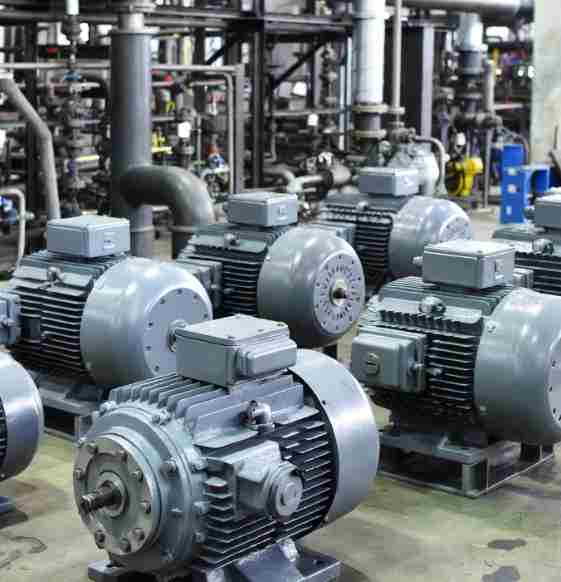
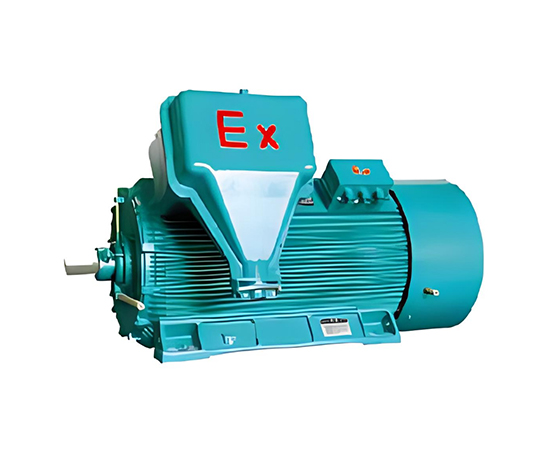
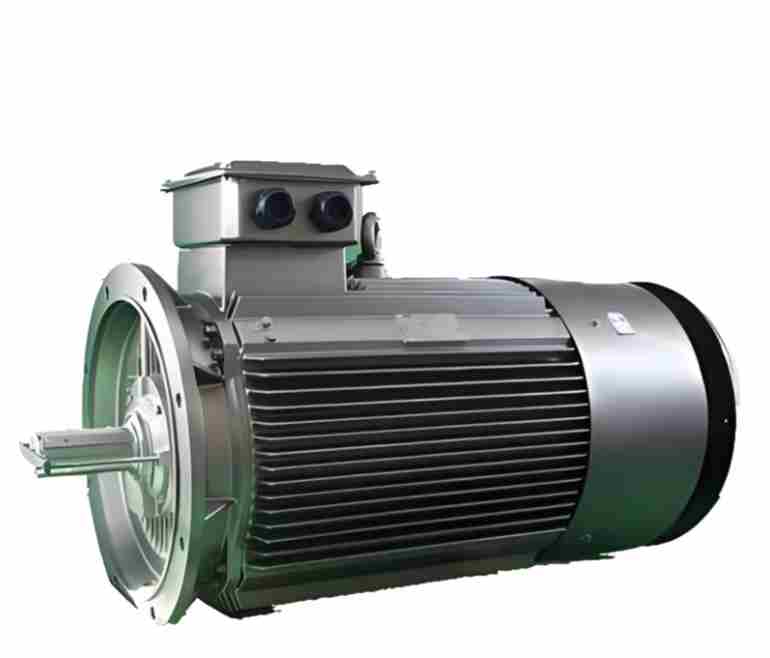
In modern industry and everyday life,High efficiency motorsThey are undoubtedly a key driving force behind the development of clean energy and smart technologies. Not only do they improve energy efficiency, but they also significantly reduce operating costs and environmental impact. Therefore, when selecting motors, understanding the basic principles and applications of high-efficiency motors will have a positive impact on our efforts to achieve sustainable development.
Basic Characteristics of High-Efficiency Motors
A high-efficiency motor is a type of motor that makes full use of the input electrical energy and minimizes energy waste. Compared to traditional motors,High efficiency motorsThe design incorporates optimized structures and advanced materials, and typically exhibits the following notable characteristics:
![[Keywords]](https://simo.org.cn/wp-content/uploads/2025/11/1763978635-dds-scaled.png "[Keywords]")
-
Low-loss design: High-efficiency motors improve the efficiency of converting electrical energy into mechanical energy by reducing copper and iron losses. For example, using highly conductive materials and an optimized winding design can reduce internal losses.
-
Improved Cooling System: A well-designed cooling system ensures that the motor maintains a low operating temperature even under high loads, thereby further improving efficiency.
-
high power factor: High-efficiency motors typically have a high power factor, which means they can utilize electrical energy more efficiently during operation and reduce reactive power consumption.
Application Case Studies
Take a large manufacturing company as an example: after introducing high-efficiency motors into its production lines, the company saw its electricity consumption decrease by approximately 30%. The implementation of this project not only accelerated production processes but also reduced greenhouse gas emissions. Through this approach, which aligns with sustainable development goals, the company has earned widespread acclaim within the industry.
Another example is a hotel owner who decided to replace the traditional motors in their property with high-efficiency motors. This change significantly reduced the energy consumption of the hotel’s air conditioning and elevator systems; the annual savings on energy costs were sufficient to cover the investment in the motor replacement, allowing the owner to recoup the investment in a short period of time.
The Benefits of Choosing High-Efficiency Motors
optionHigh efficiency motorsThe benefits they offer extend beyond the economic gains for individual departments or companies; in fact, they also contribute to environmental protection and resource conservation. By reducing energy consumption, high-efficiency motors can significantly cut greenhouse gas emissions, which is crucial for combating global warming and promoting the use of renewable energy.
In many countries and regions, governments offer subsidies and tax incentives to businesses or individuals who adopt high-efficiency motors. This not only provides substantial economic benefits to businesses but also raises consumers’ environmental awareness.
Future Development Trends
With continuous technological advancements, high-efficiency motors of the future will become even smarter and more efficient with the help of intelligent control and Internet of Things (IoT) technologies. For example, by incorporating artificial intelligence algorithms, motors can perform real-time monitoring and intelligent adjustments during operation, further optimizing their performance. This innovation will not be limited to industrial applications but will also be applicable to household use, providing us with a smarter, more energy-efficient daily life.
In conclusion.High efficiency motorsThis provides a solid foundation for our ongoing efforts to promote clean energy and efficient production. In the future, with continued advances in materials science and electronics technology, this field will become even more dynamic and serve as a key driver of both economic and environmental sustainability.
Through a deeper understanding and wider application of high-efficiency motors, we can not only improve energy efficiency but also do our part to protect the Earth, on which we all depend.


 Shaanxi Public Security Bureau No. 41032502000206