

A Discussion on High-Efficiency Motor Technologies for Improving Industrial Production Efficiency
Date: 2026-06-08 Categories: Industry News Views: 11579
Excerpt:
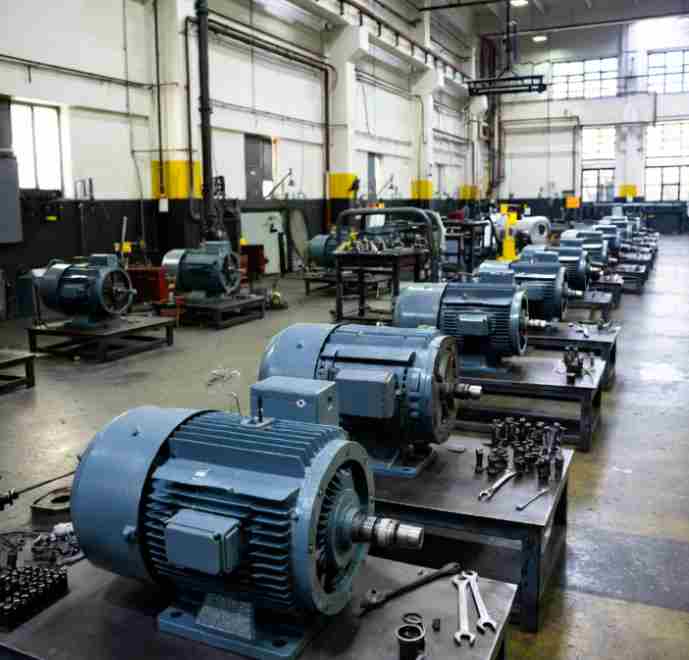
High-Efficiency Motors: A New Driving Force for Productivity and Energy Efficiency In today’s environment of tight supply and demand and heightened focus on sustainability, high-efficiency motors—as an emerging technological solution—are gradually becoming an indispensable force in both industry and daily life. Not only do they help businesses reduce energy consumption, but they also significantly enhance the overall performance of equipment, injecting new vitality into industries across the board. What Are High-Efficiency Motors? Compared to traditional motors, high-efficiency motors...
Article Catalog[Hidden]
High-Efficiency Motors: A New Driving Force for Productivity and Energy Efficiency
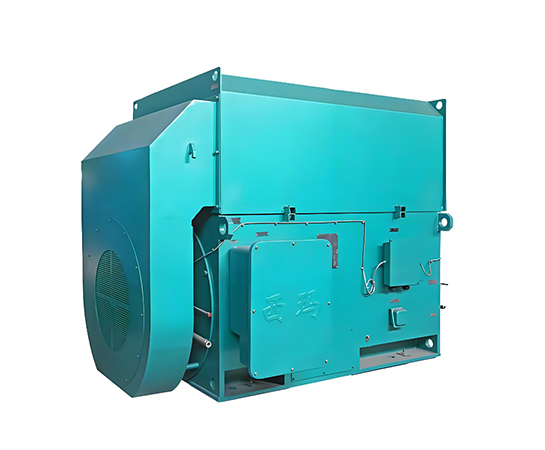
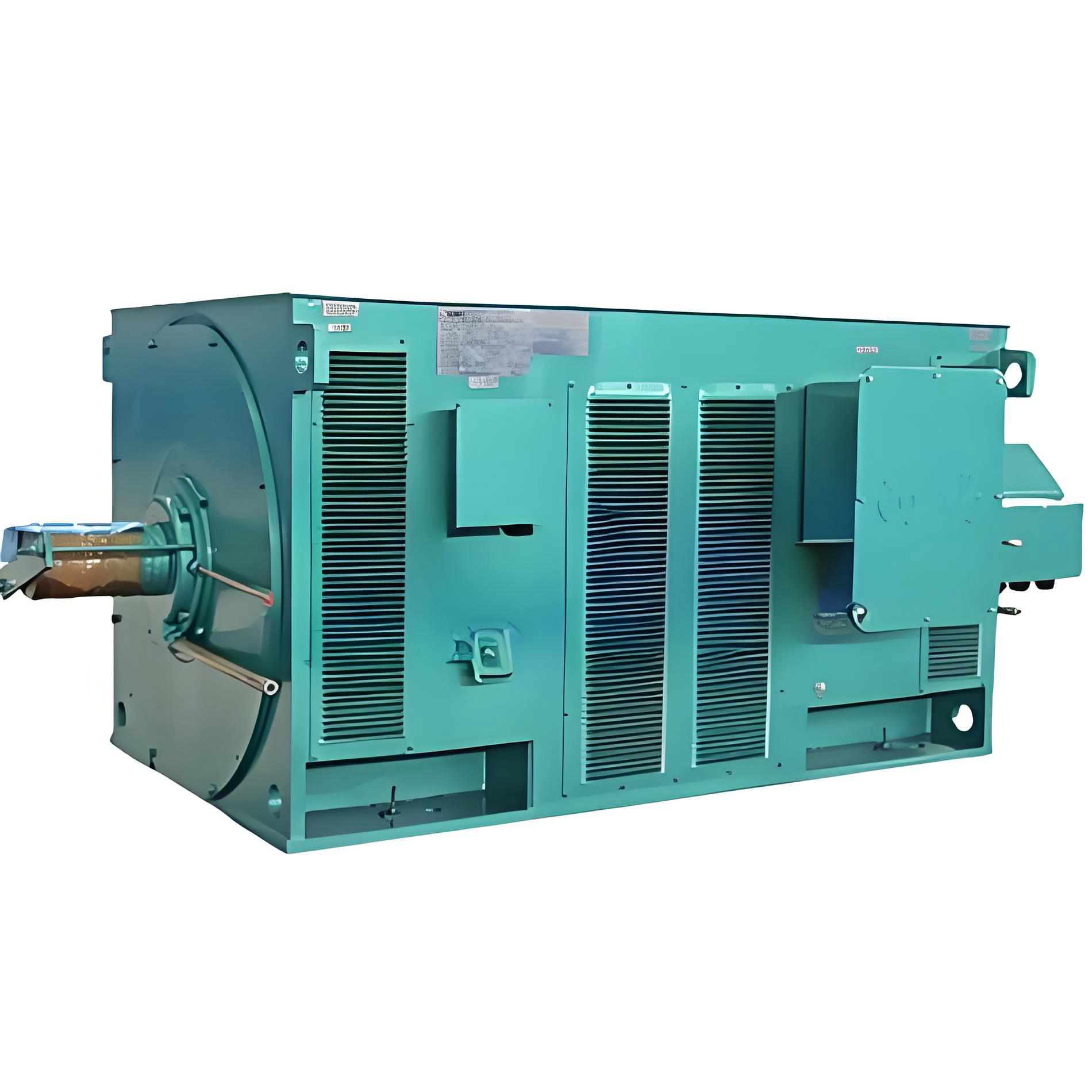
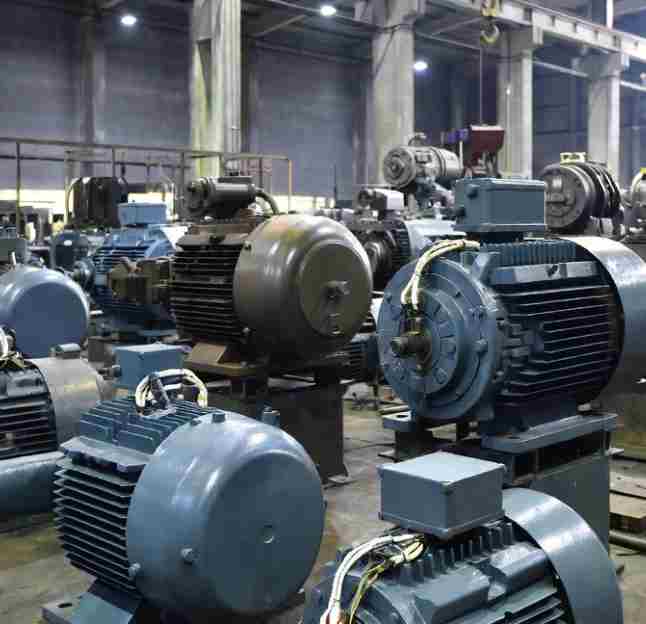
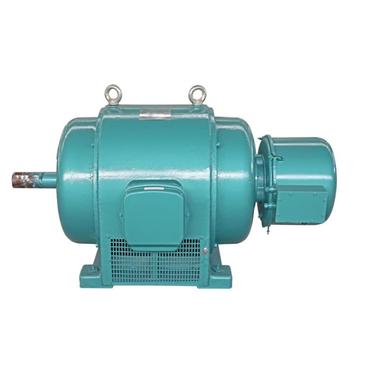
In the current environment of tight supply and demand and a strong focus on sustainable development,High-efficiency motorAs an emerging technological solution, it is gradually becoming an indispensable force in both industry and daily life. Not only does it help businesses reduce energy consumption, but it also significantly enhances the overall performance of equipment, injecting new vitality into industries across the board.
What is a high-efficiency motor?
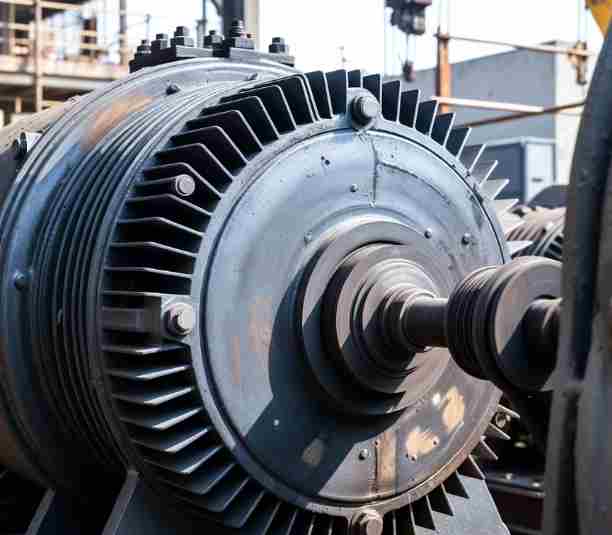
Compared to conventional motors, high-efficiency motors offer higher energy efficiency. This means that, for the same output power, high-efficiency motors consume less electrical energy. According to International Electrotechnical Commission (IEC) standards, motor energy efficiency is classified into different grades. High-efficiency motors typically meet or exceed the IE2 and IE3 grades, and motors in these grades can significantly reduce energy loss during operation.
![[Keywords]](https://simo.org.cn/wp-content/uploads/2023/08/1763949810-100252.jpg "[Keywords]")
Advantages of High-Efficiency Motors
-
Energy Conservation and Consumption Reduction: The key to high-efficiency motors lies in their extremely low energy consumption. According to research data, companies that use modern high-efficiency motors can save 10%–30% on energy costs, which represents a significant amount for large-scale industrial production.
-
Advancement of Environmental Protection Projects: Against the backdrop of global emissions reduction policies, the use of high-efficiency motors can help industrial enterprises meet environmental protection standards and reduce greenhouse gas emissions. Many countries have alreadyHigh-efficiency motorIts use is tied to subsidy policies, which encourage companies to actively upgrade their equipment.
-
Lower maintenance costs: Thanks to their superior design and manufacturing processes, high-efficiency motors have a lower failure rate and a longer service life, which in turn reduces the frequency of material replacement and maintenance costs.
Analysis of Practical Application Cases
Take a large food processing plant as an example: the traditional motors used on its continuous production lines resulted in significant annual energy losses. After management implemented technical upgrades, high-efficiency motors were adopted and the production equipment underwent a systematic upgrade. After six months of monitoring and testing, electricity consumption was reduced by more than 20%, resulting in annual operating cost savings of up to several hundred thousand yuan. At the same time, production efficiency improved, shortening delivery cycles by 15%.
How to Choose a High-Efficiency Motor?
When selectingHigh-efficiency motorIn this regard, companies should focus on the following aspects:
- Efficiency ratings: Select high-efficiency motors that comply with IEC or national standards to ensure their energy efficiency levels.
- Compatibility: Ensure that the motor's power and speed are compatible with the existing equipment to avoid any impact on production efficiency due to size mismatches.
- Supplier Reputation: Partner with reputable manufacturers to ensure product quality and after-sales support.
reach a verdict
In summary.High-efficiency motorThis brings numerous benefits to businesses; it is not merely a tool for energy conservation, but also a key driver of industrial upgrading. Against the backdrop of increasingly stringent environmental policies and intensifying market competition, the widespread adoption and application of high-efficiency motors will be a crucial step for businesses to achieve sustainable development and gain a competitive edge.


 Shaanxi Public Security Bureau No. 41032502000206