


Exploring the future of high-efficiency motors: new trends in improving energy efficiency and performance
Date: 2026-04-12 Categories: Company News Views: 10392
Excerpt:
High-efficiency motors: driving the power engine of the future In today's fast-developing technological era, “high-efficiency motors” have become the focus of attention in all walks of life. With the promotion of industrial automation and intelligence, the motor as the core power source of mechanical equipment, its efficiency will directly affect the energy consumption and production costs. In this paper, we will discuss the concept of high-efficiency motors, the advantages and disadvantages of high-efficiency motors.
Article Catalog[Hidden]
High-Efficiency Motors: The Power Engines Driving the Future
In today’s rapidly evolving technological era, “high-efficiency motors” have become a focal point across various industries. As industrial automation and smart manufacturing advance, motors—as the core power source for mechanical equipment—play a crucial role; improvements in their efficiency directly impact energy consumption and production costs. This article will explore in depth the concept of high-efficiency motors, their advantages, and case studies of their applications in various fields.
What is a high-efficiency motor?
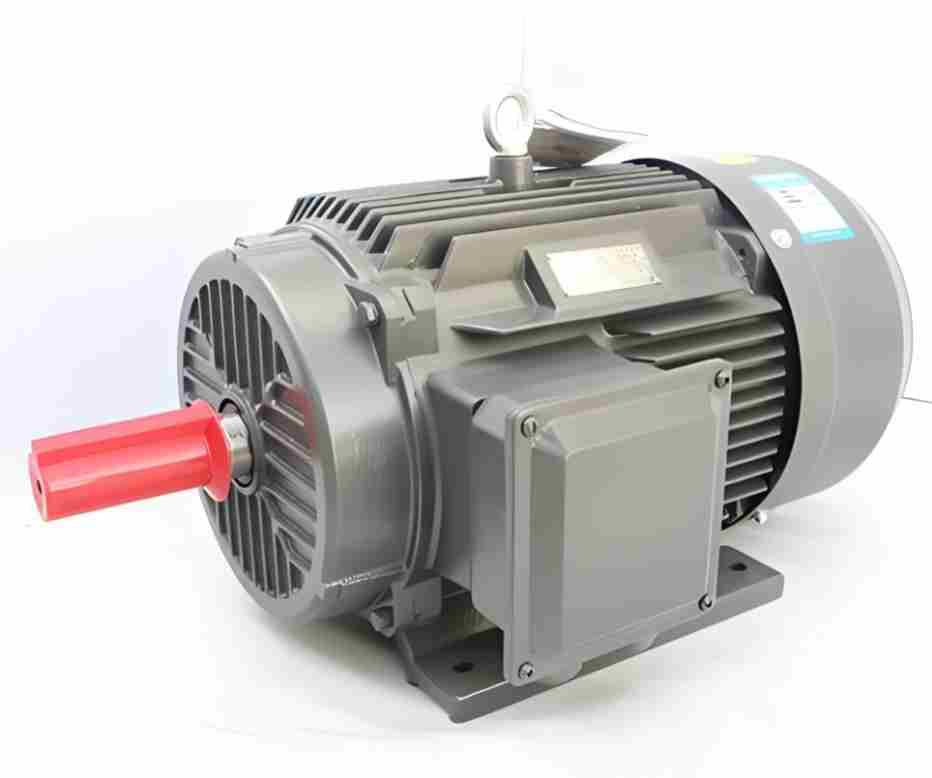
High-efficiency motors are electric motors that can significantly reduce energy consumption and improve operational efficiency during operation. Compared to traditional motors, high-efficiency motors—through optimized design and the use of advanced materials—can increase the efficiency of converting electrical energy into mechanical energy to 90% or higher. These motors not only deliver excellent power output but also offer significant improvements in areas such as noise levels and temperature rise.
Advantages of High-Efficiency Motors
1. Energy Conservation and Emissions Reduction
The greatest advantage of high-efficiency motors lies in their energy-saving characteristics. According to relevant studies, using high-efficiency motors can reduce energy consumption by approximately 30%, which undoubtedly represents enormous energy-saving potential when applied on a large scale. For example, in a large manufacturing enterprise, replacing all motors with high-efficiency models could result in annual electricity cost savings amounting to millions.
2. Longer service life
High-efficiency motors typically use higher-quality materials and more rigorous manufacturing processes, which enable them to demonstrate greater stability and a longer service life over the long term. This not only reduces maintenance and replacement costs but also improves a company’s production efficiency.
3. Improve system reliability
In industrial applications, the continuous operation of equipment is critical. High-efficiency motors operate at lower temperatures, thereby reducing failures caused by overheating and improving the reliability of the entire system. For example, in the oil and chemical industries, high-efficiency motors not only improve production efficiency but also reduce the incidence of accidents.
Application Case Studies
![[Keywords]](https://simo.org.cn/wp-content/uploads/2023/08/1763956169-ye3.png "[Keywords]")
Case Study 1: The Textile Industry
In the textile industry, electric motors are used to drive various types of machinery, such as looms and dyeing machines. When a well-known textile company upgraded its equipment, it chose high-efficiency motors to replace traditional ones, resulting in a 40% reduction in energy consumption across its production lines. At the same time, thanks to the stability of the high-efficiency motors, the quality of the company’s products also improved significantly.
Case Study 2: The Mining Sector
Mining equipment has extremely high power requirements and typically needs to operate 24 hours a day without interruption. After a major mining group began using high-efficiency motors, its electricity consumption was reduced by more than 30%. In addition, because equipment overheating was reduced, the failure rate dropped significantly, which indirectly improved ore extraction efficiency.
Future Trends in High-Efficiency Motors
As the global focus on sustainable development and green energy intensifies, the research, development, and application of high-efficiency motors will see even greater opportunities for growth. It is projected that by 2030, the high-efficiency motor market will continue to expand, with market demand becoming increasingly pronounced, particularly in the renewable energy and smart manufacturing sectors.
In conclusion.High-efficiency motors are not only a product of technological progress, but also a key driver of sustainable economic development.. When selecting equipment, companies that take into account the energy efficiency and long-term benefits of high-efficiency motors will undoubtedly have a more positive impact on future production methods.


 Shaanxi Public Security Bureau No. 41032502000206