


Analysis of the application and maintenance techniques of high-voltage motors
Date: 2026-03-16 Categories: Faq Views: 8607
Excerpt:
High-Voltage Motors: The Core Power Driving Modern Industry In today’s rapidly evolving industrial era, high-voltage motors—as a critical power-generation component—are playing an increasingly important role. Whether in the power, mining, or chemical industries, high-voltage motors are used in countless applications. This article will take an in-depth look at the characteristics of high-voltage motors...
Article Catalog[Hidden]
High voltage motors: The Core Driving Force Behind Modern Industry
In today’s rapidly evolving industrial era, high-voltage motors—as a critical power-generation component—are playing an increasingly important role. Whether in the power, mining, or chemical industries, high-voltage motors are used in countless applications. This article will delve into the characteristics and advantages of high-voltage motors, as well as provide real-world examples of their use in industrial production, to help readers better understand the importance of this critical equipment.
What is a high-voltage motor?
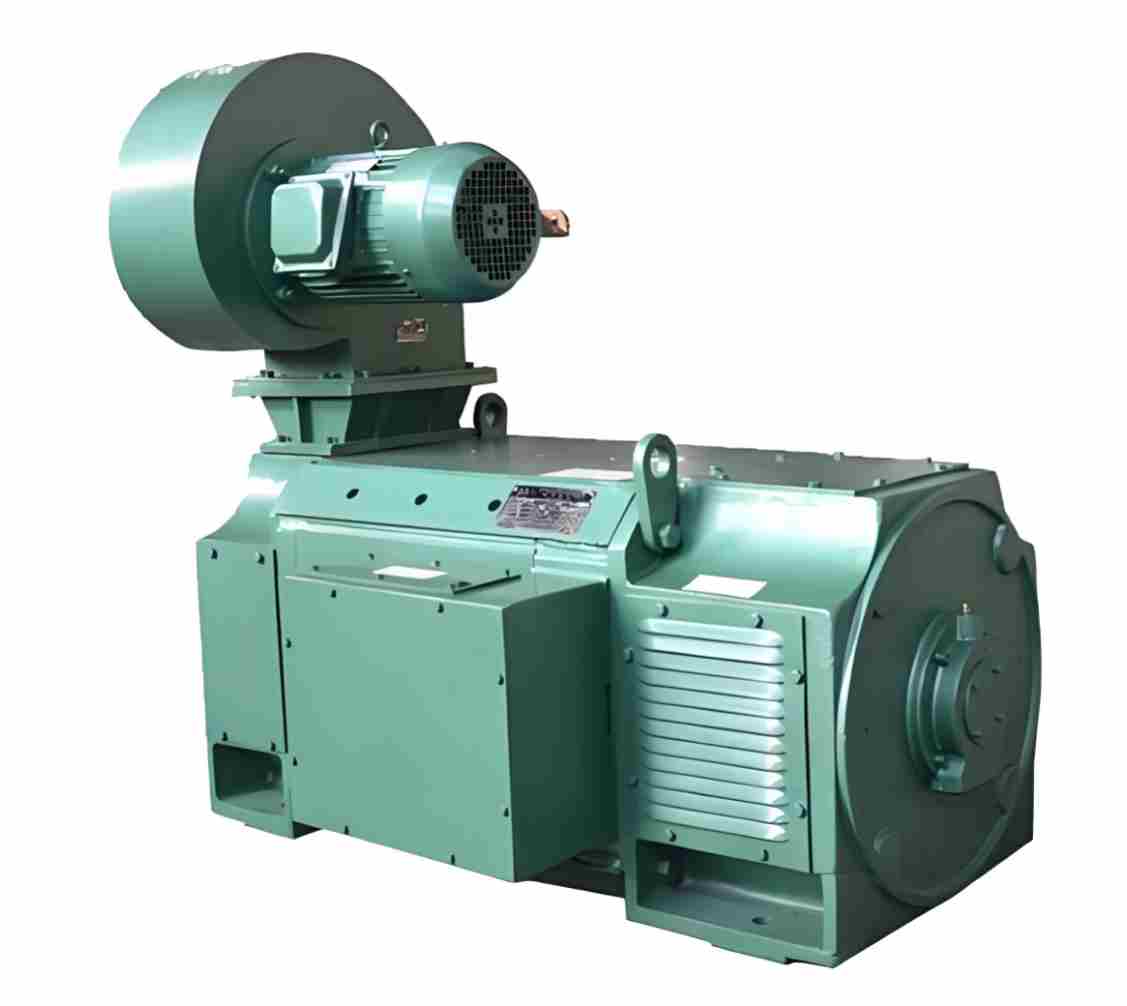
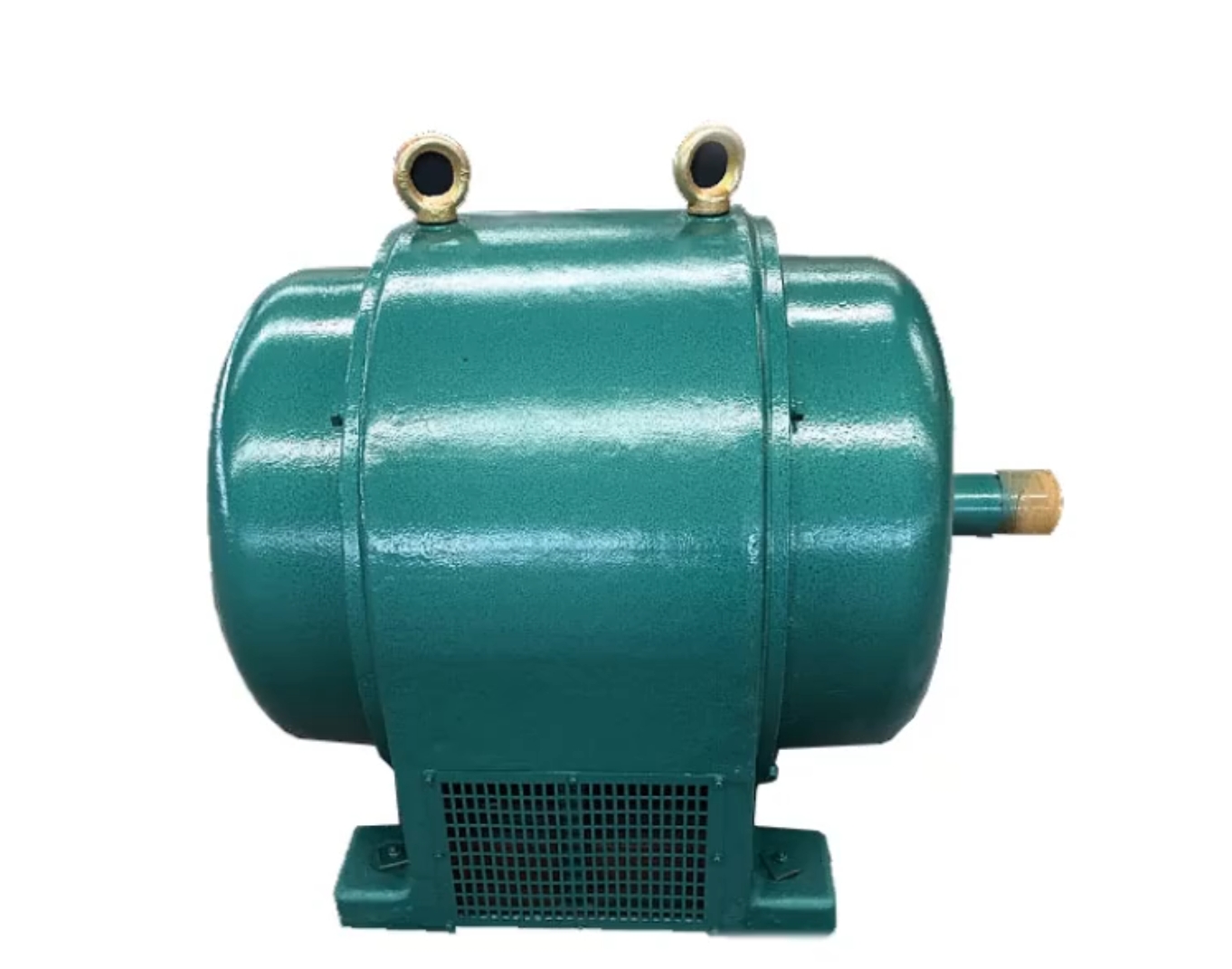
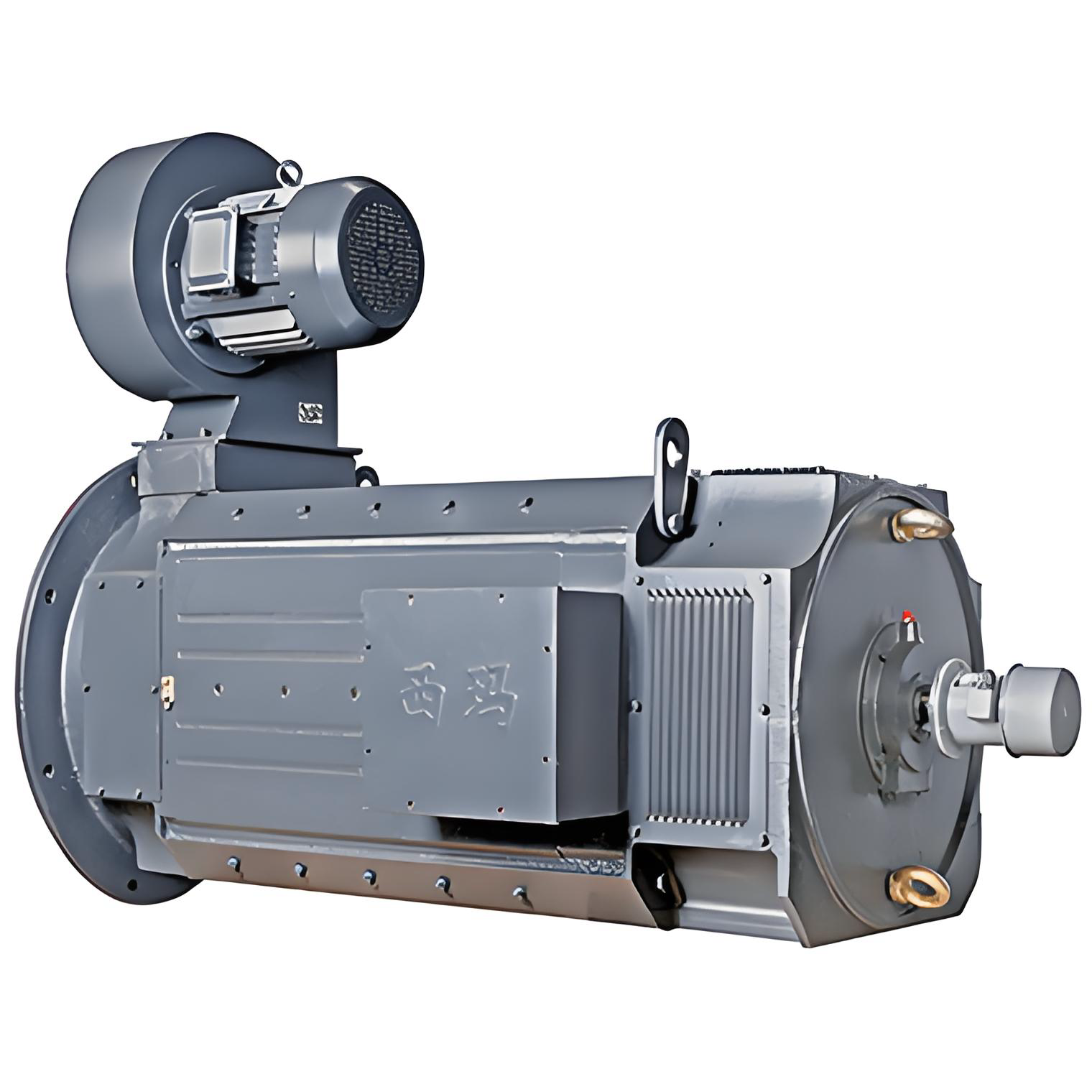
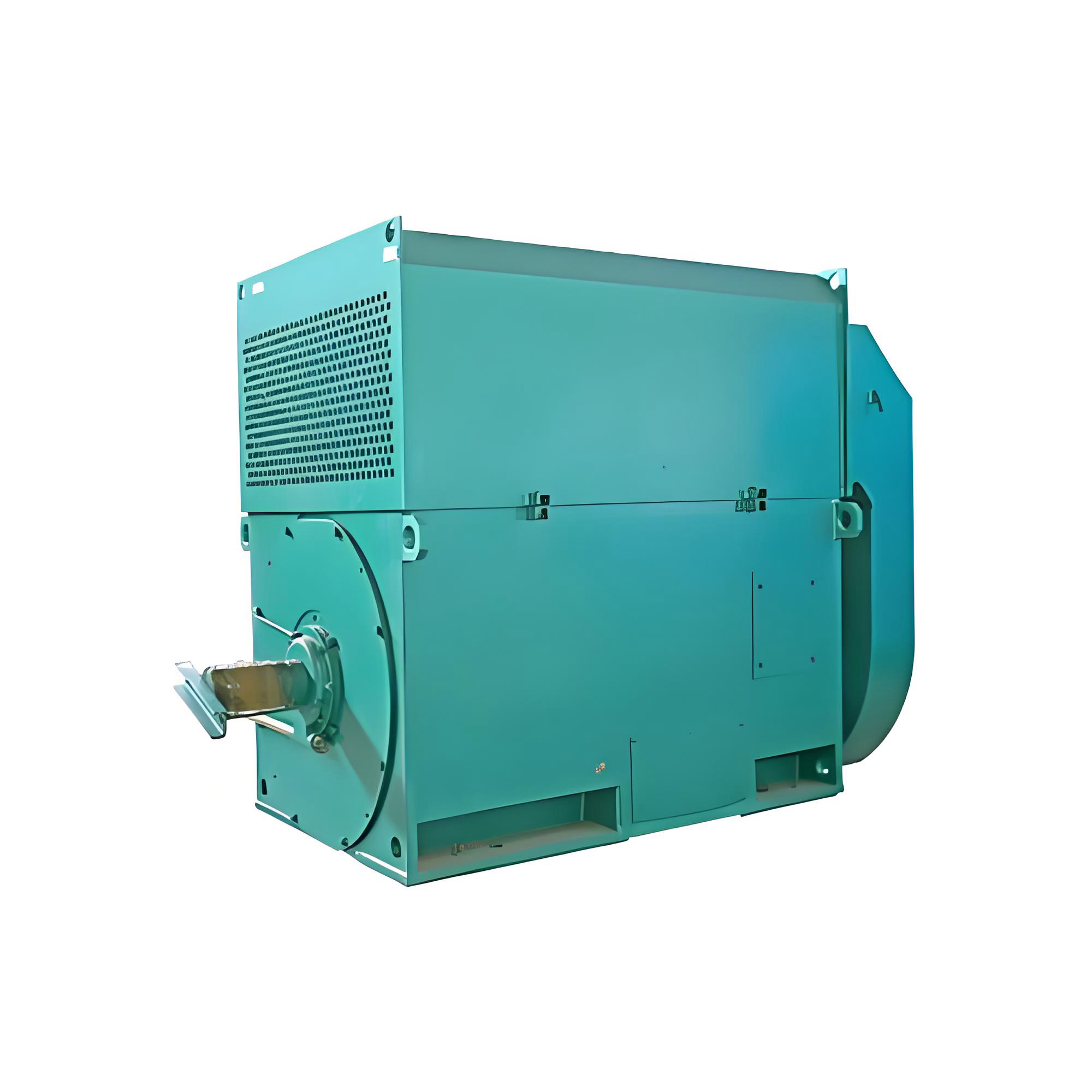
High-voltage motors are motors with a rated voltage exceeding 1,000 volts, typically used to drive large machinery and equipment. Compared to low-voltage motors, high-voltage motors can deliver greater power output at lower current levels, thereby effectively reducing energy loss and wiring costs. This makes high-voltage motors not only suitable for applications with high power requirements but also capable of providing cost-effective solutions for businesses in the context of energy conservation and environmental protection.
Advantages of High-Voltage Motors
![[Keywords]](https://simo.org.cn/wp-content/uploads/2025/11/1763978632-986663.png "[Keywords]")
-
effectivity: High-voltage motors typically utilize high-quality materials and advanced electromagnetic designs, enabling them to maintain excellent operational efficiency even under heavy loads. Their operating efficiency can reach 95% or higher, resulting in significant savings on electricity costs for businesses.
-
Space-saving: Due to their high power output, high-voltage motors are significantly smaller than low-voltage motors of the same power rating. This not only saves installation space but also facilitates future maintenance.
-
Durable and Long-Lasting: The materials and design used in high-voltage motors provide superior impact resistance and corrosion resistance, with a typical service life of over 15 years. This durability reduces the frequency of equipment replacement, further lowering a company’s operating costs.
Case Study
Take a large cement plant as an example: during production, the plant relies on multiple high-voltage motors to drive its main equipment. After comparing operational performance with low-voltage motors, it was found that under identical operating conditions, high-voltage motors can reduce power loss by 30%, saving the company approximately 200,000 yuan in electricity costs annually. Furthermore, because high-voltage motors rarely experience overloads, the frequency of equipment maintenance is significantly reduced, thereby improving overall production efficiency.
Applications of High-Voltage Motors
High-voltage motors are widely used in a variety of fields, including but not limited to:
- Power industry: Used to power generator sets and various types of pump stations.
- mining industry: Used in equipment such as crushers and conveyors.
- Chemical Manufacturing: Used in critical equipment such as reactors and mixers.
Future Developments in High-Voltage Motors
With continuous technological advancements, high-voltage motors of the future are expected to achieve further breakthroughs in areas such as smart functionality, energy efficiency, and environmental protection. Smart high-voltage motors will be equipped with self-diagnostic and monitoring capabilities, helping enterprises better manage their production processes and equipment status. In addition, ongoing research and development into new materials and design concepts will enhance the energy efficiency of these devices, supporting the industry’s continued progress toward green development.
In summary, high-voltage motors are becoming an indispensable power source in modern industry due to their powerful output, energy efficiency, environmental benefits, and broad range of applications. When selecting equipment, companies should fully consider the various advantages of high-voltage motors to improve overall production efficiency and competitiveness.


 Shaanxi Public Security Bureau No. 41032502000206