


Article Catalog[Hidden]
- High-Voltage Reactive Power Compensation Cabinet: The Expert in Enhancing Grid Quality with High Efficiency and Energy Savings
High-Voltage Reactive Power Compensation Cabinet: The Expert in Enhancing Grid Quality with High Efficiency and Energy Savings
In modern power systems, high-voltage reactive power compensation cabinets are becoming key equipment for enterprises to reduce electricity costs and enhance grid quality.
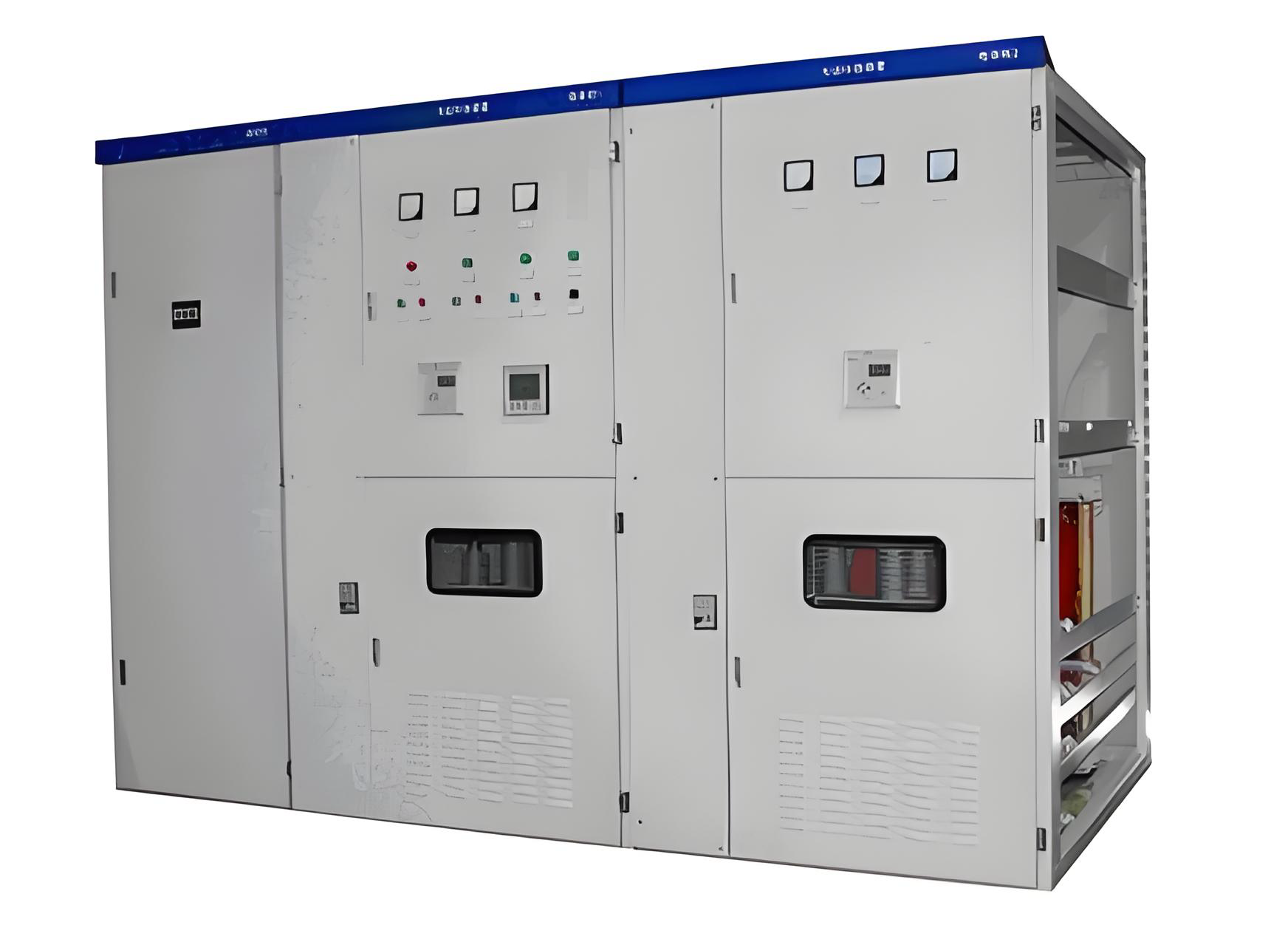
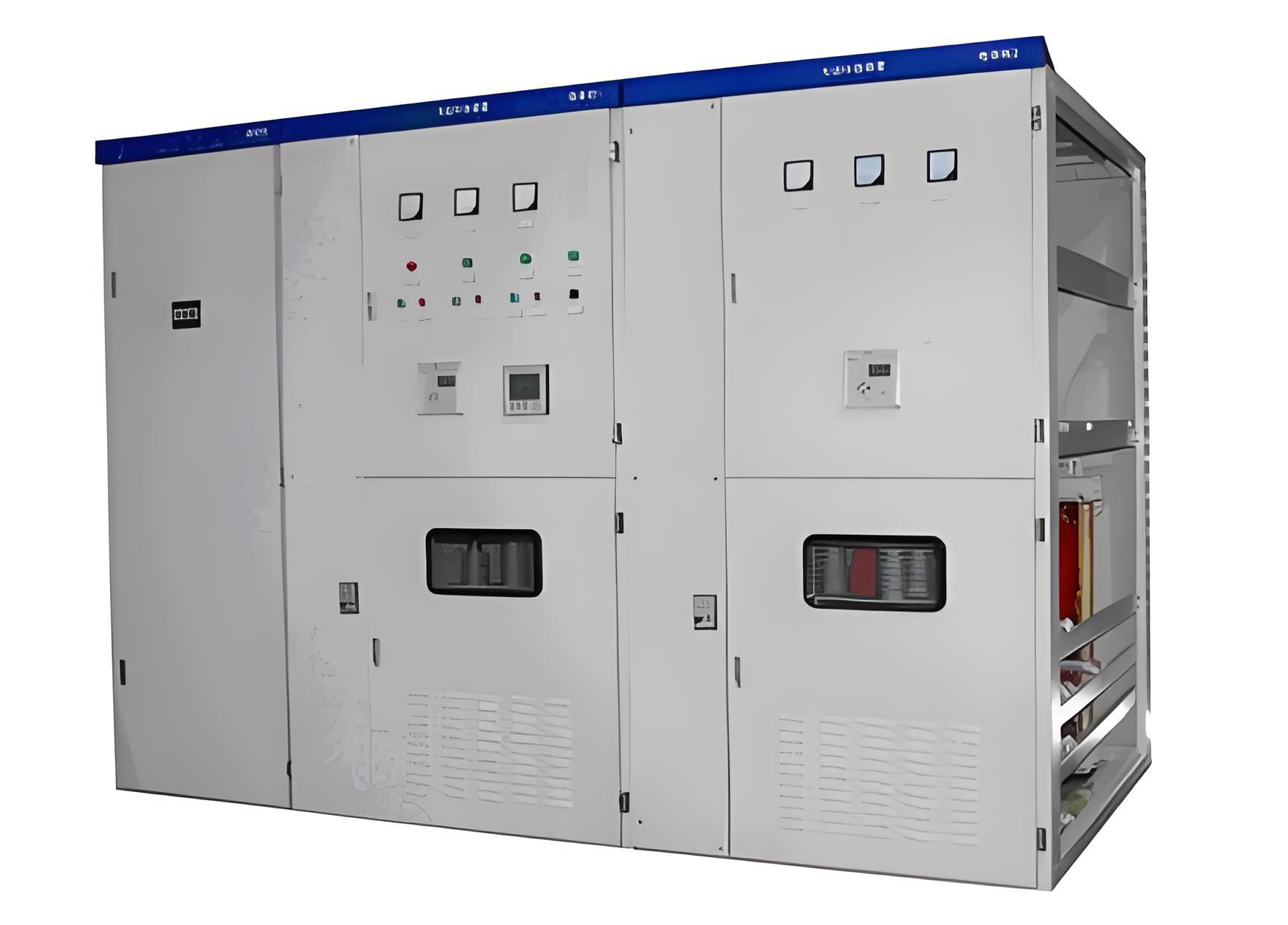
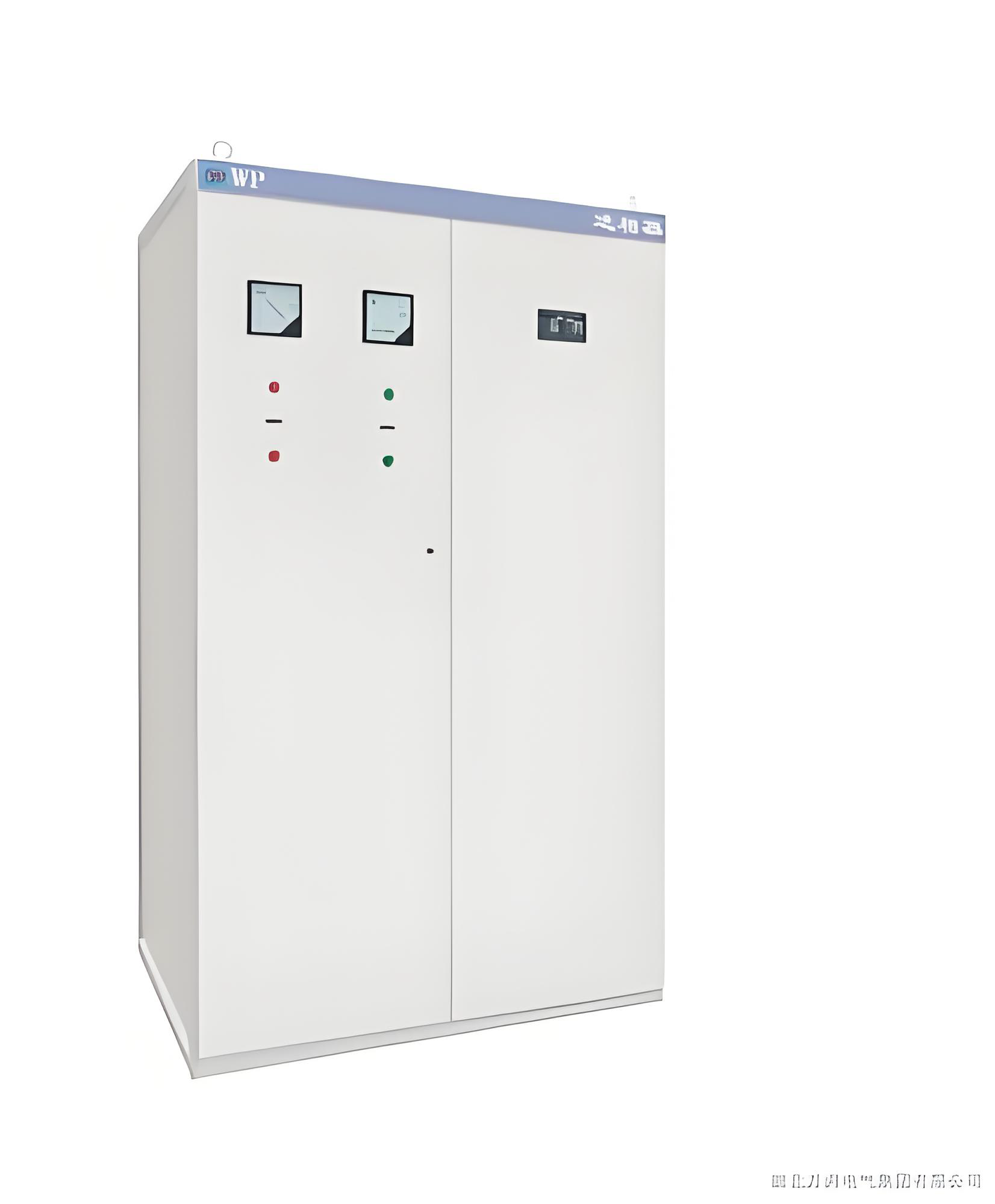
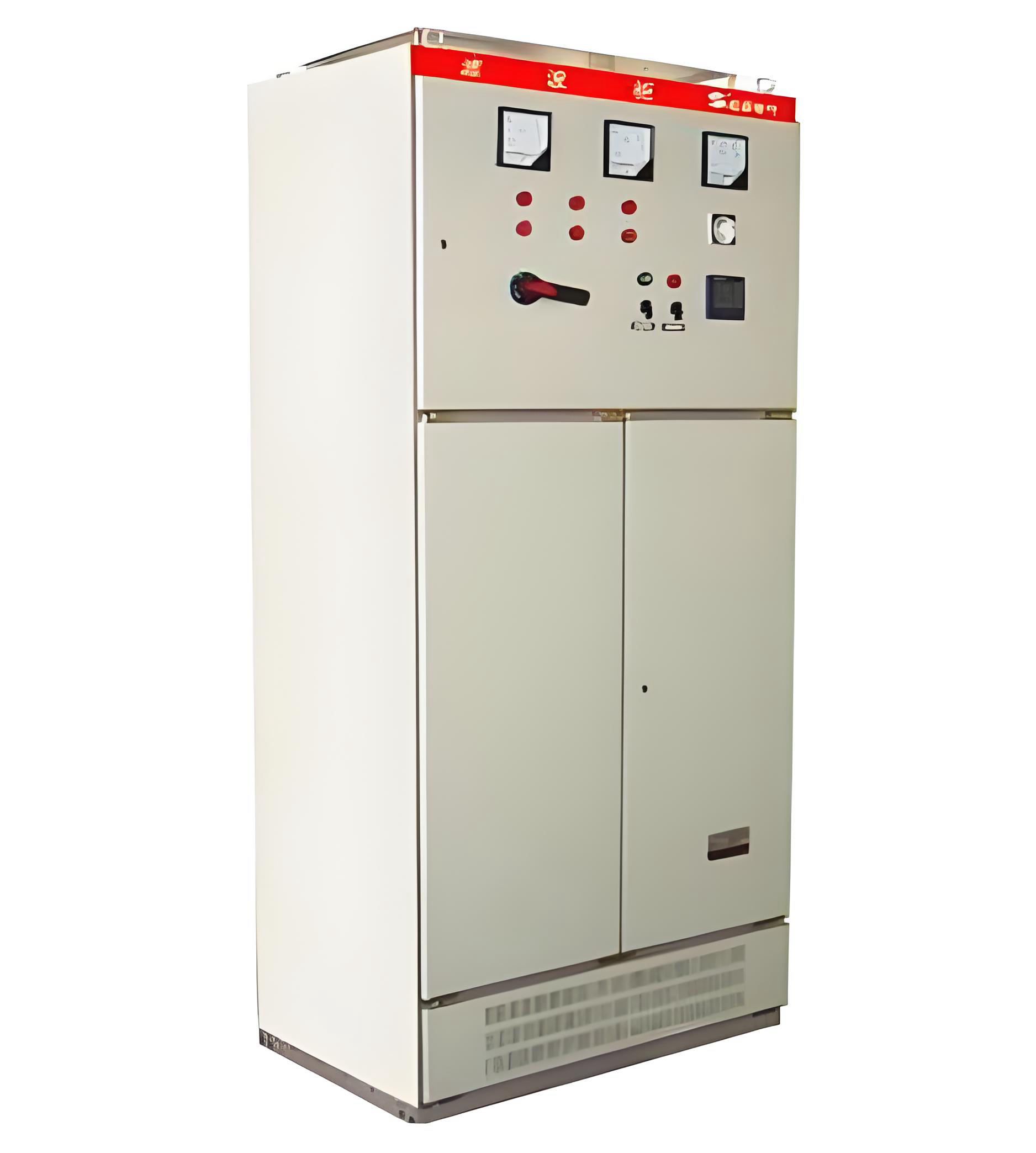
High voltage reactive power compensation cabinetThis reactive power compensation device is designed for power systems rated at 6kV/10kV and above, utilizing shunt capacitor banks.Improving the Power Factor of the Power Gridreduce line losses and electricity costsThis equipment is widely used inMetallurgy, Mining, Building Materials, Petrochemicals, MachineryOn-site compensation for high-power high-voltage motors in industries such as [industry names] and centralized compensation for power distribution systemscan improve the power factor of the power grid from 0.75 to0.95 or higherEffectively solves the problem of enterprises being fined by power supply departments due to low power factor.。
I. Working principle and technical characteristics
1. Intelligent working principle
High-voltage reactive power compensation cabinet based onPrinciple of Parallel Capacitor Compensation(of a machine) operateMost loads in power systems are inductive loads (such as asynchronous motors), which require the grid to supply substantial amounts of reactive power.Its equivalent circuit can be regarded as a series circuit of resistors and inductors, where the relationship between voltage and current is...Significant phase difference, with a relatively low power factor。
After connecting the capacitors in parallel, the capacitors discharge into the power grid.Capacitive reactive powerwith inductive loadsReactive power is mutually canceled out.This reduces the phase difference between voltage and current.Significantly improved power factorthereby reducing transformer and line losses and improving power grid quality.。
2. Automatic Control Mechanism
Modern high-voltage reactive power compensation cabinets adoptSmart ControllerEnable automatic operationThe controller monitors the system in real time.Voltage, reactive power, and power factorWhen the detected reactive power value exceeds the preset threshold, the controller issues a control signal based on the required number of capacitor banks to be energized. This automatically closes the high-voltage vacuum switch, putting the capacitor banks into operation.。
When the reactive power load falls below the preset value, the controller issues a control signal to open the high-voltage vacuum switch, causing the capacitor bank to withdraw from operation.This process is fully automated, ensuring the system's power factor.Stable between 0.95 and 0.99There will be no overcompensation.。
II. Core structure and component design
The high-voltage reactive power compensation cabinet is composed of multiple critical electrical components.Integrated unitIts main components include:
1. Key Components
- Parallel capacitors: Utilizing vacuum-deposited metallized polypropylene film capacitors in parallel configuration, featuringCompact size, high capacity, low power loss, lightweightFeatures such as low self-consumption, with losses amounting to less than one-fifth of those in conventional oil-immersed low-voltage capacitors.
- Series reactor: Primarily used to limit inrush current and suppress harmonics.When limiting inrush current, the reactor XL = (0.1% to 1%)XC.When suppressing harmonics of the 5th order or higher, XL = (5% to 6%) × XCWhen suppressing harmonics of the third order or higher, XL = (12% to 13%)XC
- Switching Switch: AdoptionHigh-voltage vacuum contactor or circuit breakerAchieve rapid and reliable switching of capacitor banks.
- Smart Controller: Centered around a microprocessor and utilizing advanced control algorithms, it achievesDynamic Reactive Power Tracking Compensation
2. Protection and Security Components
- Protective componentIncluding high-voltage spray-type fuses as short-circuit protection.Zinc oxide surge arresters are used to limit switching overvoltages caused by the operation of capacitor banks.
- Discharge deviceThe cabinet is equipped with a discharge device. When the capacitor bank is disconnected from the power supply,Within 5 secondsDischarge the residual voltage on the capacitor bank from the peak rated voltagedrop below 50VEnsure personal and equipment safety
- Monitoring SystemEquipped with ammeters (three-phase), voltmeters, and operational status indicators to enable real-time monitoring of operating parameters.
III. Performance Features and Technical Advantages
The high-voltage reactive power compensation cabinet boasts multiple outstanding performance characteristics, enabling it to deliver exceptional performance in industrial applications:
1. High-efficiency energy-saving characteristics
- Significantly improve power factor: Capable of improving the power factor of the grid from 0.75 to above 0.98, effectively reducing transformer and line losses.
- Reduce electrical energy lossBy improving the power factor, the current decreases.10% to 20%effectively reduce line losses
- Improve equipment utilizationBy compensating reactive power, improve transformer load factor and motor efficiency.
2. Advantages of Intelligent Control
- Multiple switching strategiesSupport capacitor bankRotational switchingFirst in, first out; the throw-in/throw-off delay is adjustable to ensure that the average utilization rate of capacitors remains essentially equal.
- Voltage Priority PrincipleThe compensation cabinet automatically engages or disengages based on voltage quality requirements. When voltage exceeds the maximum set value, capacitor banks are progressively disconnected. When voltage falls below the minimum set value, capacitor banks are progressively engaged while ensuring no overcompensation occurs.
- Remote Monitoring Function: withRS-232, RS-485, and infrared communication portsenables both local and remote control
3. Safe and Reliable Design
- Multi-layered protection mechanismFeatures comprehensive protection functions including overvoltage, undervoltage, overcurrent (short circuit), zero-sequence relay protection, and instantaneous protection.
- Intelligent Diagnostic FunctionWhen faults such as capacitor control circuit relay protection tripping, failure to operate, or controller power loss occur, an alarm is issued.Audible and visual alarmDisplay the location of the fault and the locked-out outlet.
- Automatic Temperature ControlFeatures temperature detection functionality, automatically monitors cabinet temperature, and controls the capacitor compartment exhaust fan to vent air and reduce heat.
IV. Technical Parameters and Specifications
The main technical parameters of the high-voltage reactive power compensation cabinet are as follows:
V. Application Areas and Scenarios
High-voltage reactive power compensation cabinets have a wide range of applications and are particularly suitable for the following scenarios:
1. Heavy industry
- Metallurgical industrySteel rolling mills, electric arc furnaces, and other high-power equipment require substantial reactive power compensation.
- Mining industryElevators, crushers, conveyors, and other heavy equipment; improving power grid quality
- Building materials industryCement plant ball mills, fans, and other equipment effectively improve power factor.
2. Energy-intensive industries
- petrochemicalsCentralized locations for compressors and pump equipment, enabling local reactive power compensation.
- Power SystemSubstations, distribution networks, etc., for centralized reactive power compensation
- Water Supply and Drainage IndustryCompensation for large water pump motors to reduce line losses
3. Special application scenarios
- Severe harmonic pollution environmentConfigure reactors with appropriate reactance rates to suppress harmonic amplification.
- Locations with Significant Voltage FluctuationsBy rapidly switching on and off, it stabilizes grid voltage.
- Space-constrained environmentsFeatures a compact design to save installation space.
VI. Selection and Installation Guide
1. Selection Criteria
Choose the appropriateHigh voltage reactive power compensation cabinetis the key to ensuring the effectiveness of compensation:
- Load Characteristic AnalysisUnderstand the proportion of inductive loads in the system, their operating time, and patterns of change.
- Existing Power FactorMeasure the power factor of the existing power grid to determine the required compensation capacity.
- Harmonic conditionsDetect harmonic content in the power grid to determine whether a filter reactor needs to be installed.
- installation environmentConsider environmental temperature, humidity, altitude, and protection rating requirements.
2. Capacity Determination Method
The determination of compensation capacity is primarily based on the following methods:
- Power Factor Enhancement MethodCalculate the required compensation capacity based on the existing power factor and the target power factor.
- Reactive Power Demand MethodDetermine the compensation capacity based on the system's reactive load curve.
- Experience Coefficient MethodEstimated based on 20%-40% transformer capacity
3. Installation Notes
To ensure the normal operation of high-voltage reactive power compensation cabinets, the installation environment must meet the following requirements:
- mounting positionFor indoor installation only. Keep away from harmful gases, vapors, conductive or explosive dust.
- environmental conditionsAmbient temperature: -25°C to +45°C, with monthly average relative humidity not exceeding 90%.
- altitude: Not exceeding 2000 meters (special design required for heights exceeding 2000 meters)
- Ventilation RequirementsEnsure sufficient ventilation space around the cabinet; install ventilation equipment if necessary.
VII. Benefit Analysis
Investing in high-voltage reactive power compensation cabinets can bring multiple benefits to enterprises:
1. Direct Economic Benefits
- Electricity bill savingsBy improving the power factor, avoid penalties from the power supply department and enjoy electricity bill incentives.
- Line loss reductionCurrent reduction from 10% to 20% significantly decreases line losses.
- Improved Equipment UtilizationEnhance transformer load capacity and delay capacity expansion investment.
2. Comprehensive Benefits
- Power Grid Quality EnhancementImprove voltage fluctuations and enhance power supply reliability.
- Extended equipment lifespanReduce the impact of reactive current on equipment, extending the service life of motors, transformers, and other devices.
- Increased production efficiencyStabilize voltage quality to minimize production interruptions caused by voltage fluctuations.
High voltage reactive power compensation cabinetAs the core equipment for power quality management in modern industrial enterprises, it not onlySignificantly improve power factor、Reduce electricity costs, and can alsoImprove power grid quality、Enhance equipment operational efficiencyWith increasingly tight power resources and rising electricity standards, installing high-voltage reactive power compensation cabinets has become essential for enterprises.Enhance competitiveness和Achieve sustainable developmentA key initiative.
For those who pursueEfficient Operations和Energy Conservation and Consumption ReductionFor industrial enterprises, selecting the appropriateHigh voltage reactive power compensation cabinetThis is undoubtedly a wise decision. We recommend consulting technical professionals to select the most suitable compensation solution based on your company's actual electricity usage characteristics, thereby achieving maximum economic benefits and technical returns.


 Shaanxi Public Security Bureau No. 41032502000206