

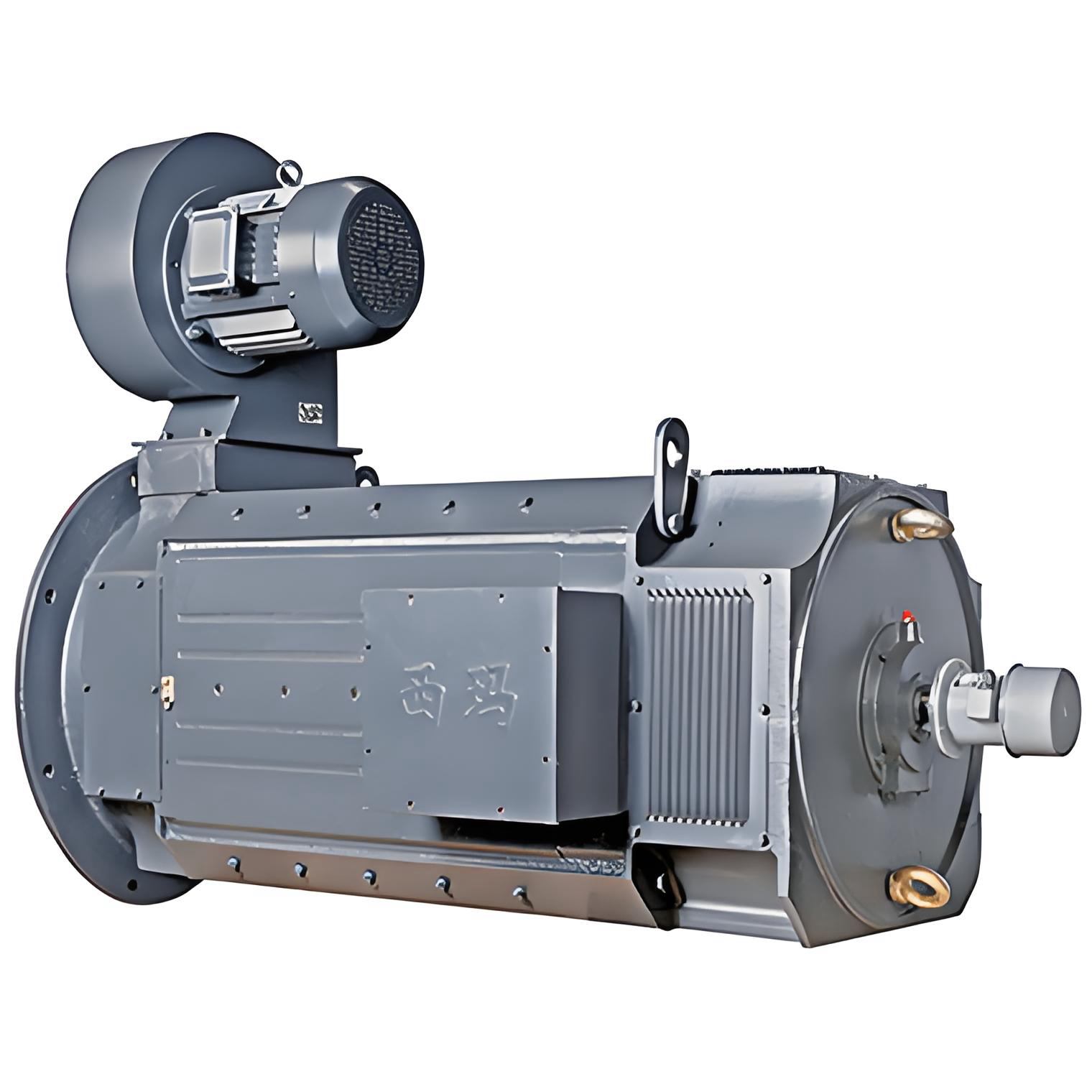
A chemical plant circulating water pump station Y2-4502-4 6KV 710kW high-voltage motor winding burn repair project
Date: 2023-08-21 Categories: Cases Views: 1050
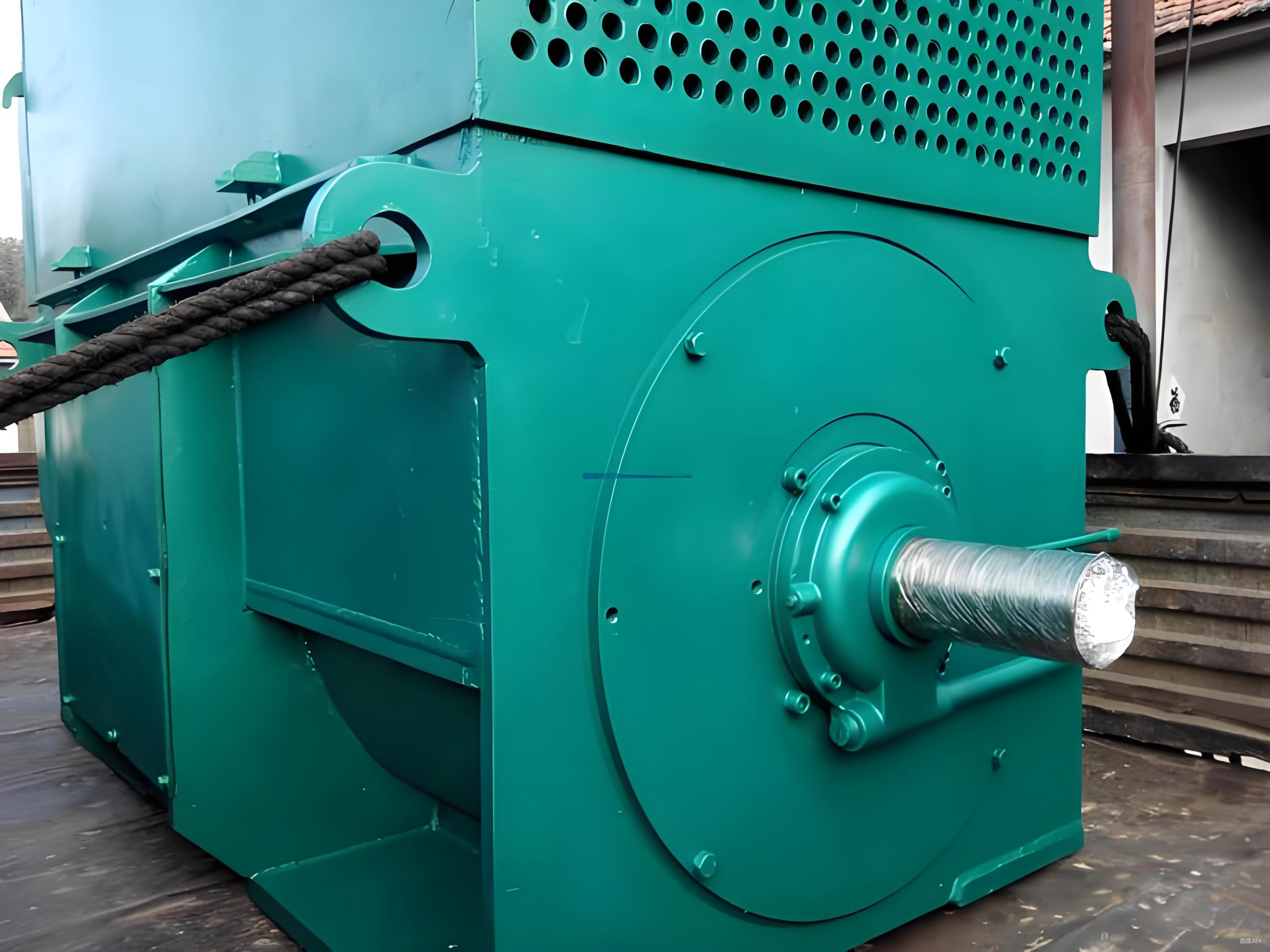
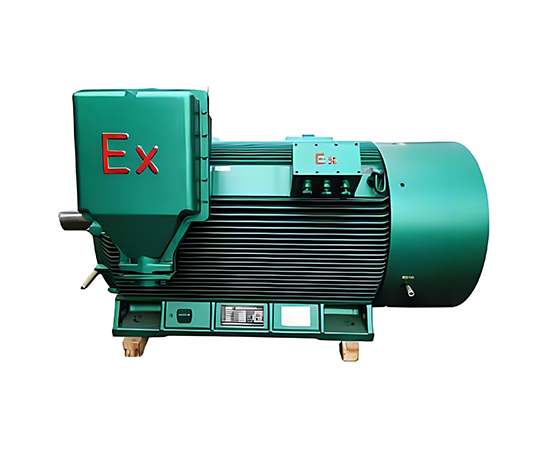
Project Name: Circulating Water Pump Station Y2-4502-4 6KV 710kW at a Chemical PlantHigh voltage motorsWinding Burnout Repair Project
I. Project Background
The main circulating water pump drive motor (Model: Y2-4502-4, 710kW, 6kV) at a chemical plant experienced a stator winding interturn insulation breakdown and phase-to-phase short circuit during operation due to a transient power grid surge. This ultimately caused the motor to stall and cease rotation, posing a risk of production line interruption.Following an on-site inspection by our technical personnel, it was determined that the stator windings had suffered severe burn damage. A complete overhaul involving the replacement of the entire stator winding assembly is required.
II. Problem Diagnosis and Solution Development
- Preliminary inspection: On-site measurement revealed zero insulation resistance between the windings and ground, with severe imbalance in DC resistance. After disassembly, visual inspection revealed multiple areas of carbonized coil insulation, melted and corroded wire rods in the slots, and localized overheating burn marks on the core.
- Root Cause Analysis: Based on operational records, the direct cause of this failure was determined to be grid overvoltage. However, the aging of the winding insulation (the motor had been in continuous operation for over 8 years) was an underlying factor contributing to its reduced ability to withstand electrical surges.
- Repair Plan: Develop a comprehensive workflow plan encompassing “old winding removal → core repair → new winding fabrication and wire insertion → vacuum impregnation → final assembly testing.” The core decision isAdopt an F-class mica tape insulation system that is equivalent to the original design in grade but superior in performance.and strictly adhere toSimo motorsManufacturing process standards.
III. Core Construction Steps
Step 1: Removal of Old Windings and Core Processing
- Safely remove old coils using thermal decomposition to prevent damage to the stator core.
- Thoroughly clean the core, use specialized tools to repair short circuits between silicon steel sheets caused by arc burns, and reapply insulation varnish to ensure core losses meet standards.
Step 2: New Coil Fabrication and Wire Insertion
- Coil Winding: Based on the original data, F-class Nomex paper composite mica tape is used. Skilled technicians wind new coils in a cleanroom maintained at constant temperature and humidity, ensuring precise geometric dimensions and accurate turn counts.
- Suturing and Bandaging: Precisely embed the new coil into the stator slots. Place high-strength DMD insulation material within the slots as slot insulation, with slot wedges made from 3240 epoxy-phenolic laminated glass cloth boards. Terminal windings are bound according to specifications to ensure their stability and symmetry, effectively preventing operational vibration.
Step Three: Welding and Vacuum Pressure Impregnation (VPI)
- Medium-frequency silver-copper brazing technology is employed to weld the winding connection wires, ensuring low joint resistance and high mechanical strength.
- Place the stator with completed winding into the VPI equipment forVacuum Pressure Impregnation Insulating VarnishThis process is critical, as it fills all voids within the windings with insulating varnish, forming an exceptionally cohesive insulation system that is moisture-resistant, thermally conductive, and possesses outstanding electrical strength.
Step Four: Final Assembly and Testing
- Assemble the processed stator with the cleaned and inspected rotor and the bearing assembly fitted with new bearings.
- Strictly in accordance with national standards and Simo Motor's factory test specifications.Complete set of tests:
- DC Resistance Test: The resistance difference between each phase winding is <1%, which is acceptable.
- Insulation resistance test: Absorption ratio >1.3, polarization index >2.0, qualified.
- Power Frequency Withstand Voltage Test: 10kV (2Un+3kV) withstands 1 minute without breakdown or flashover, passing.
- Turn-to-turn insulation test: Impact voltage comparison test: Waveform overlap is good; test passed.
- No-Load Test and Short-Circuit Test: No-load current balance, with losses within an excellent range.
IV. Outcomes and Benefits
- Quality Outcomes: All performance parameters of the repaired motor meet or exceed the factory standards for new units. It achieved successful power-up on the first attempt and operates smoothly, demonstrating excellent performance in vibration, noise, and temperature rise.
- Economic Benefits: Compared to purchasing a new motor, this major overhaul saved the customer over 60% in costs. More importantly,All repair work was completed in just 7 days.This prevented significant economic losses for the customer due to prolonged production line downtime, earning high praise from the client.
- Long-term value: This overhaul not only restored equipment performance but also enhanced the motor's reliability and extended its expected service life through the adoption of superior insulation materials and processes.
V. Case Summary
This case study successfully demonstrates core repair capabilities for large high-voltage motors. It proves that for high-voltage motors damaged due to sudden failures or insulation aging,A major overhaul involving winding replacement, when strictly executed according to standard procedures, is not only feasible but also an economical, efficient, and reliable equipment regeneration solution.Xi'an TaiFu Simo leverages its professional technical team, mature manufacturing processes, and comprehensive quality assurance system to provide users with full-spectrum power system support services—from diagnostics to repairs.


 Shaanxi Public Security Bureau No. 41032502000206